Evaluating the Real Business Value of Picosecond Laser Platforms
From Clinical Application to ROI: How to Select a Sustainable Picosecond Laser Investment
1. Market Context: Picosecond Lasers as a Core Revenue Asset
As the medical aesthetics market matures, providers are shifting away from short-term “trend treatments” toward high-utilization, low-risk technologies capable of long-term revenue generation.
Within this transition, picosecond laser systems have established themselves as a core platform for:
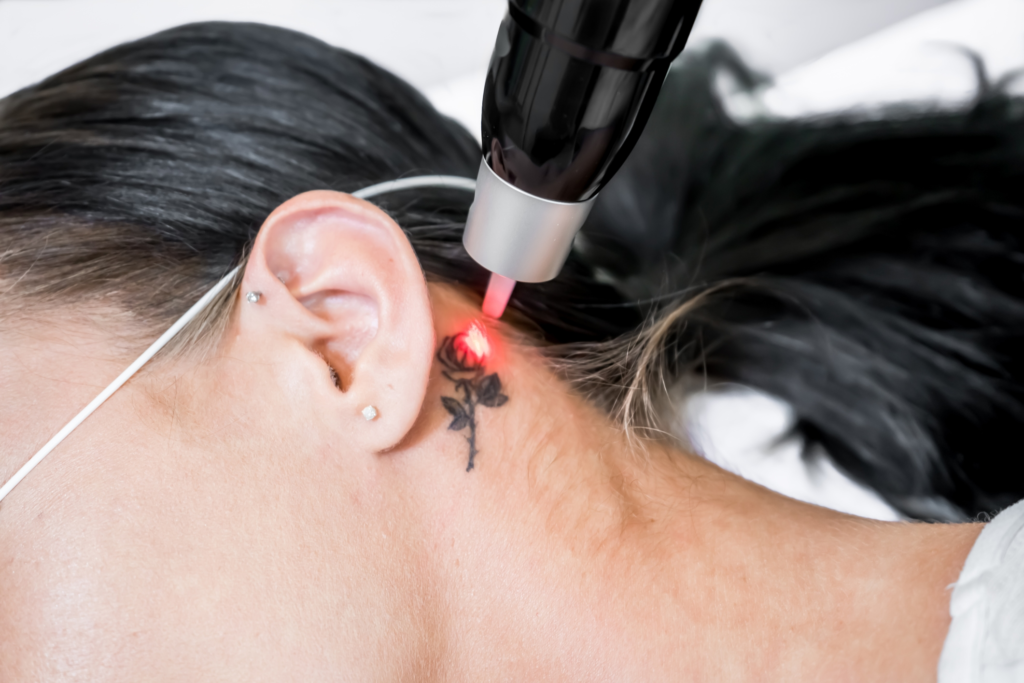
Tattoo removal
Pigmented lesion treatment
Skin rejuvenation and texture improvement
Industry reports consistently project continued global growth in the aesthetic laser market, with picosecond technology representing one of the fastest-growing segments due to its superior photomechanical effect and reduced thermal damage profile.
For clinic owners and medical groups, the strategic question is no longer whether to invest in a picosecond laser—but rather:
Which type of picosecond platform delivers sustainable clinical flexibility and predictable financial returns over time?
2. Picosecond Platform Design Philosophy: Single Focus vs. Multi-Application Coverage
Multi-Wavelength Picosecond Platforms
Multi-wavelength systems typically integrate 532 nm, 755 nm, and 1064 nm configurations within a single platform. This architecture is designed to address:
Pigments at different skin depths
Multiple tattoo ink colors
A wide range of Fitzpatrick skin types
Expanded indications beyond pigment removal, including skin rejuvenation
The underlying philosophy is maximum utilization:
One platform, multiple revenue-generating applications.
This approach is particularly relevant for clinics operating in diverse patient markets or seeking to future-proof their treatment portfolio.
Single-Wavelength Picosecond Platforms
Single-wavelength picosecond systems—most commonly centered on 755 nm—are optimized for strong photomechanical interaction with specific pigment types.
These systems may be suitable for:
Clinics with a narrow treatment focus
Providers specializing primarily in tattoo removal or select pigment indications
Facilities prioritizing lower initial capital expenditure
However, clinical scope and revenue diversification are naturally more limited.
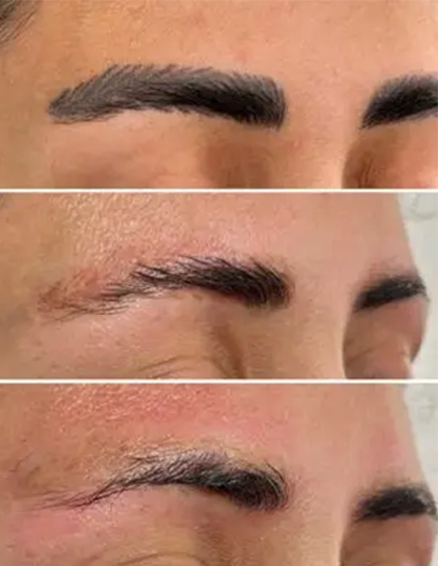
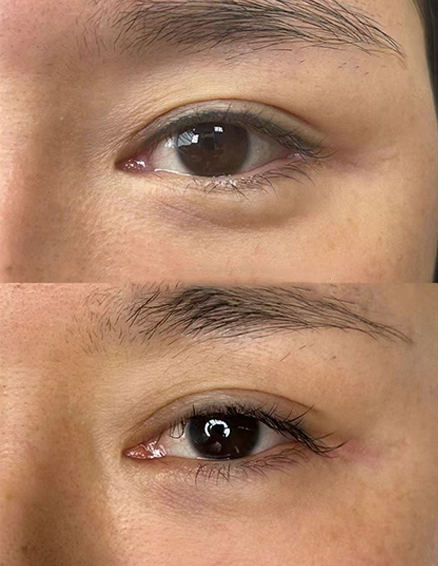
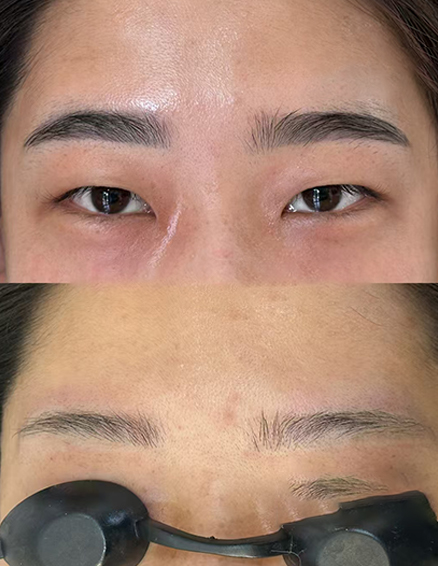
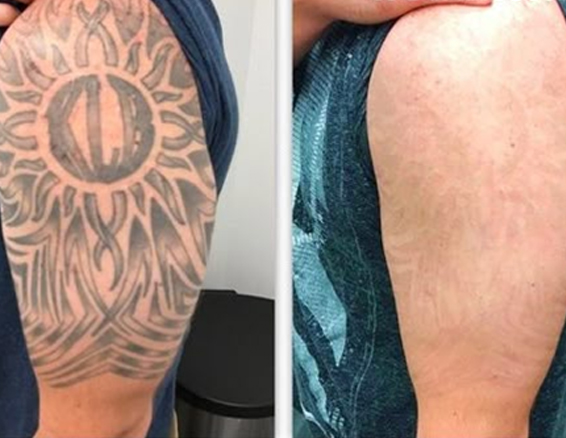
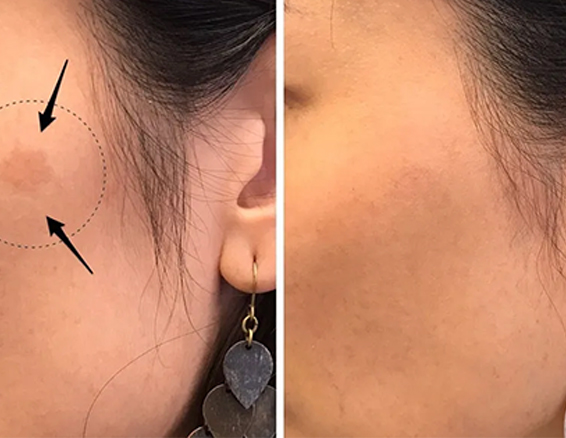
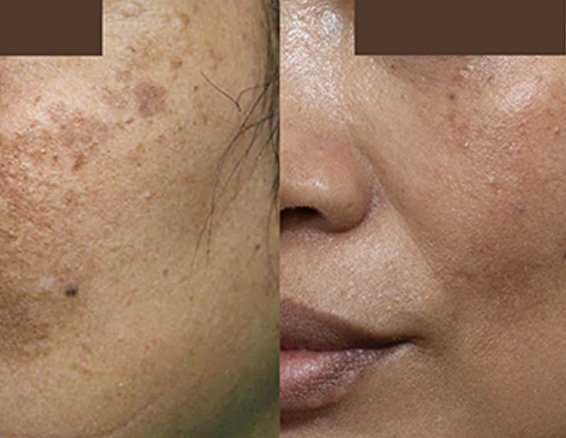
picosecond laser machine treatment before after2123picosecond laser machine treatment before after2123picosecond laser machine treatment before after2123picosecond laser machine treatment before after456456picosecond laser machine treatment before after1321picosecond laser machine treatment before after111
Platform Comparison Overview (Illustrative)
Dimension
Multi-Wavelength Platform
Single-Wavelength Platform
Wavelength Coverage
Multiple
Single
Indication Range
Broad
Focused
Skin Type Flexibility
High
Moderate
Revenue Expansion Potential
High
Limited
Long-Term Utilization
Strong
Project-dependent
3. Real-World Clinical Performance: What Drives Profitability
3.1 Treatment Efficiency and Indication Breadth
In real-world practice, operational success depends on:
Number of sessions per treatment course
Patient satisfaction and retention
Ability to bundle and cross-sell procedures
Multi-wavelength picosecond platforms provide greater flexibility in:
Multi-color tattoo removal
Treating superficial and deep pigmented lesions
Expanding into non-ablative skin quality treatments
This translates into higher device utilization rates and more consistent appointment volume.
3.2 Safety Profile and Skin Type Adaptability
In regions where Fitzpatrick III–V skin types represent a significant portion of the patient population, wavelength flexibility becomes critical.
Systems incorporating 1064 nm wavelengths are widely recognized for:
Improved safety margins on darker skin tones
Reduced risk of post-inflammatory hyperpigmentation
Greater confidence for practitioners across indications
This adaptability directly impacts treatment acceptance rates and clinic reputation.
3.3 Operational Considerations
Operational Factor
Multi-Wavelength Platforms
Treatment Switching
Seamless
Idle Time Risk
Low
Staff Training ROI
High (multi-use skills)
Long-Term Maintenance Predictability
Strong
From a business standpoint, operational stability and scalability are as important as clinical outcomes.
4. ROI Analysis: Understanding the Economics of Picosecond Lasers
4.1 Cost Structure (Illustrative Model)
Initial equipment investment
Annual service and consumables
Training and market launch expenses
4.2 Revenue Assumptions (Mid-Size Clinic Example)
Average treatment price: USD 300
Annual treatment volume: 2,000 sessions
Estimated annual gross revenue: USD 600,000
4.3 Payback Logic
With multi-indication coverage, multi-wavelength picosecond platforms typically achieve:
Higher utilization rates
More stable cash flow
Shorter payback periods, often within an 18–24 month range, depending on market conditions
4.4 Scenario-Based ROI Sensitivity
Comprehensive aesthetic clinics benefit most from multi-wavelength flexibility
Single-service clinics should assess long-term expansion plans before limiting platform capability
5. Real-World Operational Feedback
Feedback from clinics and distribution partners consistently highlights several themes:
Platforms with broader indications integrate more easily into long-term treatment planning
As competition increases, treatment diversity protects margin stability
Equipment scalability and clinical adaptability are becoming decisive procurement factors
Clinic owner insight: “The true value of a device is not a single treatment result, but how many years it continues to generate revenue.”
6. Conclusion: From Equipment Purchase to Revenue System
Selecting a picosecond laser platform is fundamentally a long-term capital investment decision, not a short-term technology comparison.
Key evaluation criteria should include:
Clinical safety across skin types
Breadth of indications and expansion potential
Predictability of ROI and operational efficiency
For many modern aesthetic practices, multi-wavelength picosecond platforms represent a more resilient and scalable solution in an increasingly competitive global market.
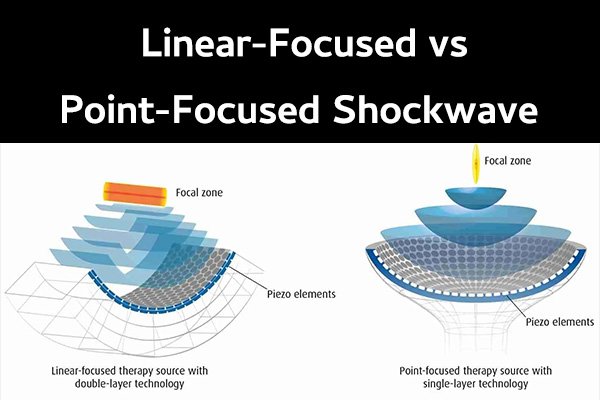
Point-focused shockwave therapy concentrates energy into a relatively small focal target, whereas linear-focused shockwave therapy creates an elongated treatment zone intended to cover a longer anatomical structure more efficiently.
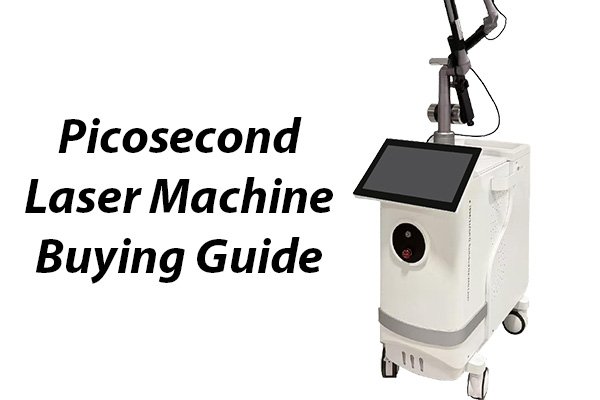
Don’t buy a picoseond laser based on price or one impressive specification. Evaluate compliance, actual laser performance, clinial applicability, safety, support, and business return as a complete system.
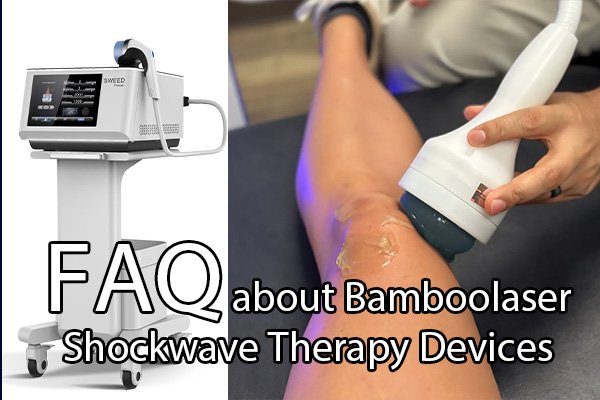
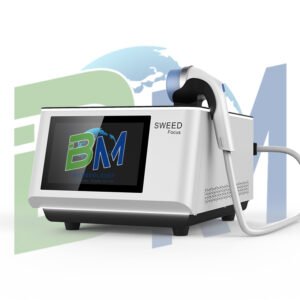
The BA-SW30, a best-selling focused shockwave therapy device, has already been put into use in major markets. We have compiled an FAQ about the machine for those who are still considering it. If these questions do not fully help you, please feel free to contact us. We will provide you with one-on-one exclusive Q&A service.