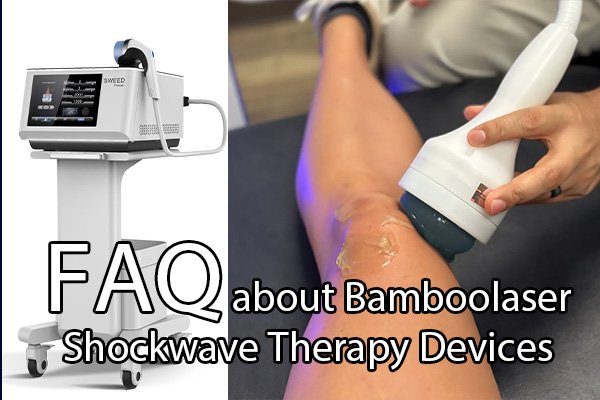
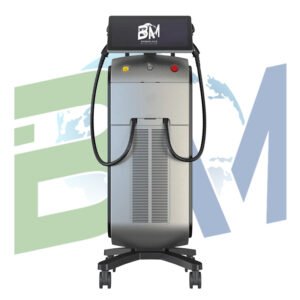
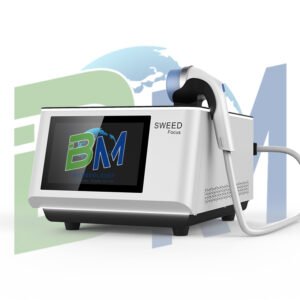
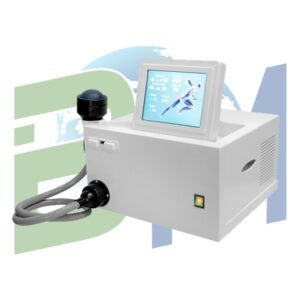
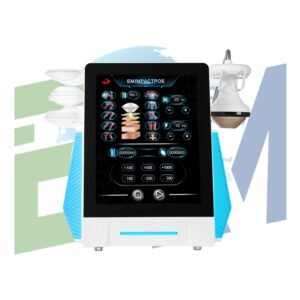
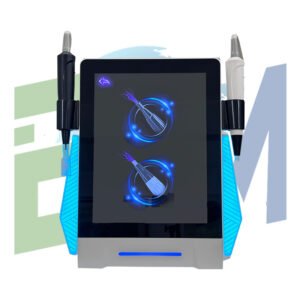
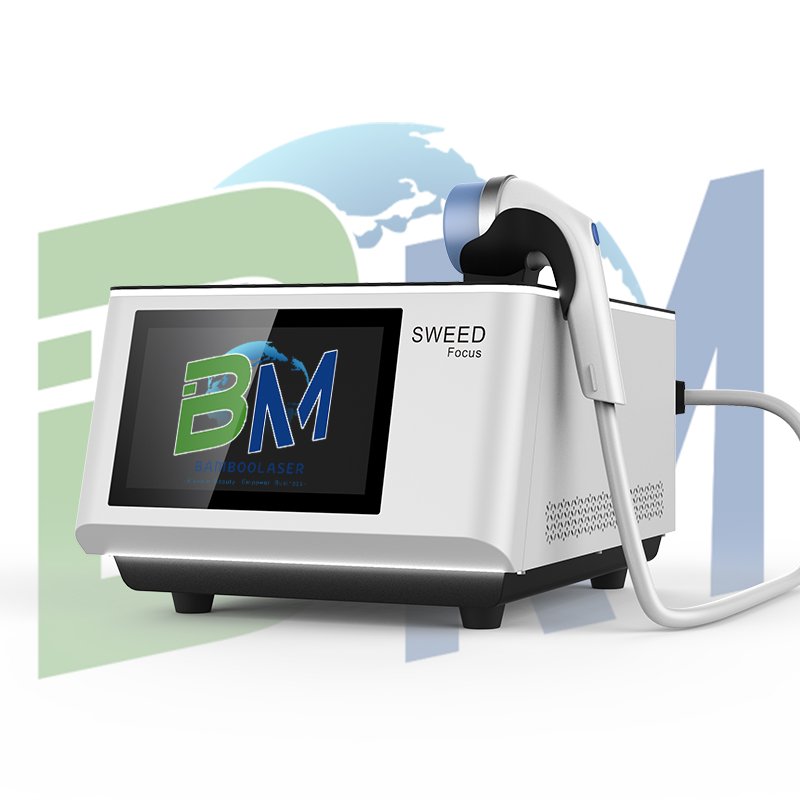
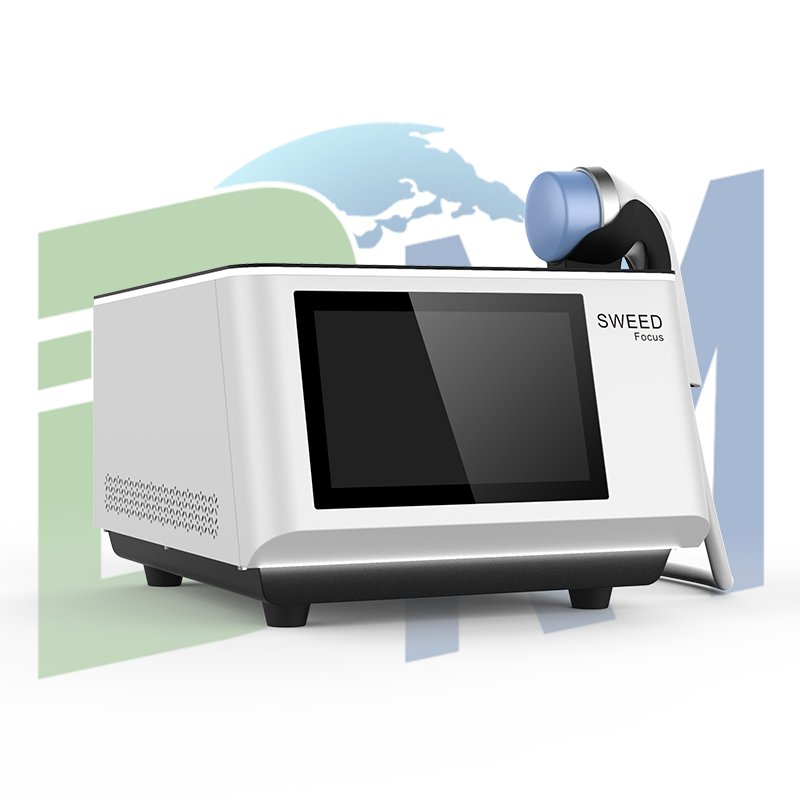
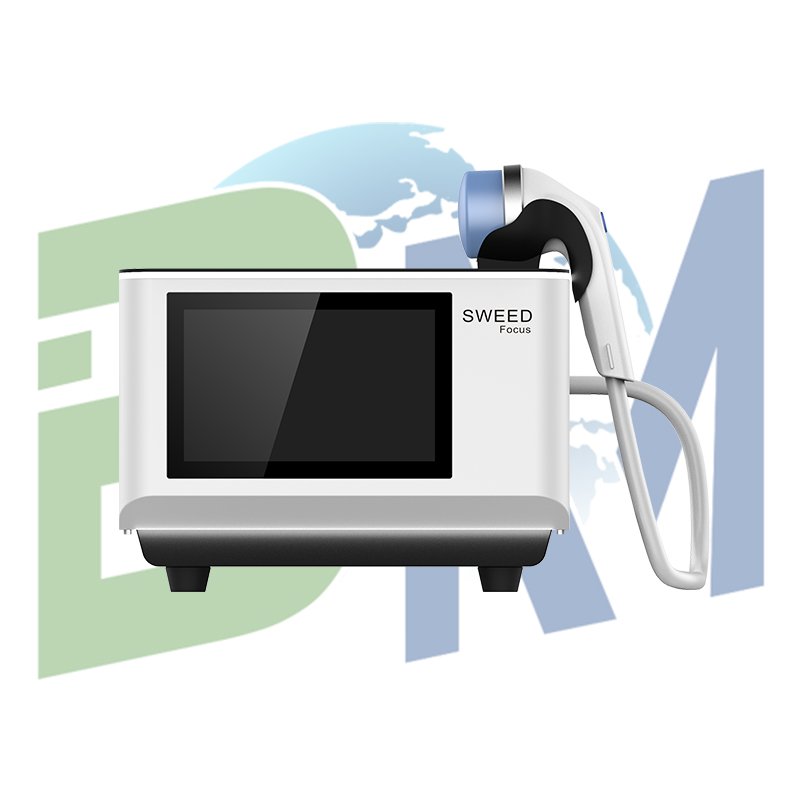
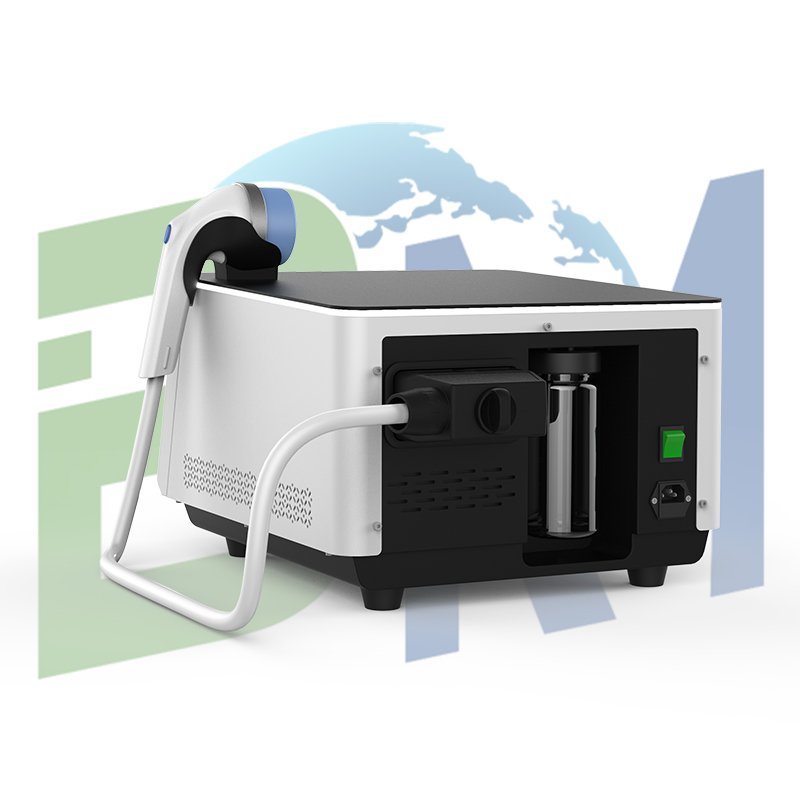
SWEED Focus Shockwave → typically electromagnetic focused shockwave; EMIMPACTPOE → piezoelectric focused shockwave;
Both belong to the category of “Focused Shockwave,” but their energy generation and focusing methods are completely different.
A Complete Buyer’s Guide for Clinics, Distributors, and Medical Professionals
When searching for a focused shockwave machine, many buyers come across two common options:
- Electromagnetic focused shockwave (often represented by SWEED-type systems)
- Piezoelectric focused shockwave (such as EMIMPACTPOE-type systems)
At a glance, both technologies fall under the category of focused shockwave therapy devices. They are both designed to deliver high-energy acoustic waves into deep tissue for therapeutic purposes.
However, despite this similarity, the two systems are fundamentally different in technology, energy delivery, treatment experience, and market positioning.
This guide will help you clearly understand:
- How electromagnetic and piezoelectric shockwave machines work
- The real difference in energy distribution and precision
- Which device is better for your clinic or business model
What Is a Focused Shockwave Machine?
A focused shockwave therapy machine is a medical or aesthetic device that generates high-energy acoustic waves and concentrates them into a specific depth inside the body.
Unlike radial shockwave devices, focused systems can:
- Reach deeper tissue layers (up to 10–12 cm)
- Deliver higher energy density
- Target specific structures such as tendons, calcifications, or vascular tissue
Because of this, focused shockwave therapy is widely used in:
- Physiotherapy and rehabilitation
- Pain management
- Sports medicine
- Aesthetic treatments
- Urology (especially ED therapy)
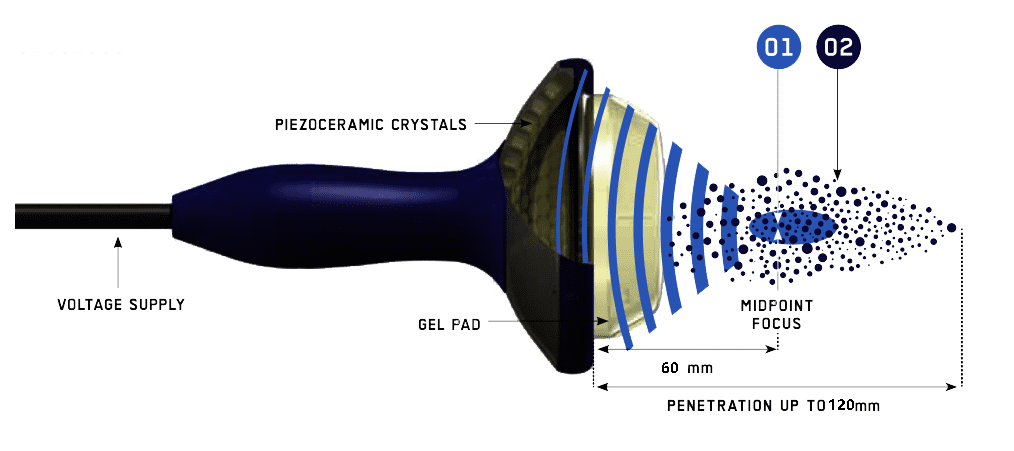
Electromagnetic Focused Shockwave (SWEED Type)
How Electromagnetic Shockwave Machines Work
Electromagnetic shockwave devices use a multi-stage energy conversion process.
First, electrical energy is released as a high-voltage pulse through a coil. This creates a rapidly changing magnetic field, which then interacts with a metal membrane. The membrane moves at high speed, compressing a liquid medium and generating a pressure wave.
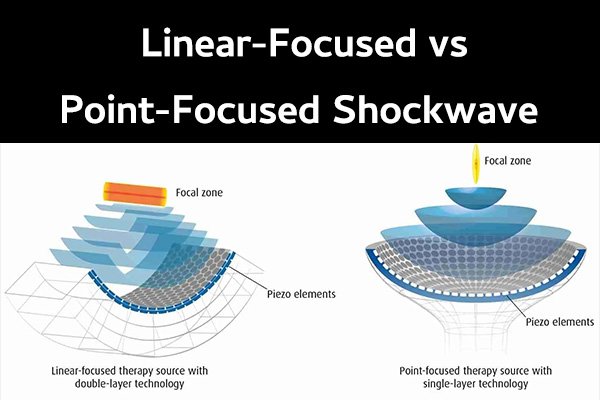
At this point, the wave is not yet focused. It spreads outward and must be redirected using a parabolic reflector or acoustic lens to converge into a focal zone.
This means the system follows a sequence:
Electrical energy → Magnetic field → Mechanical motion → Acoustic wave → Focused energy
Because the wave is shaped after it is created, this approach is often referred to as a post-focusing system.
Energy Distribution and Treatment Characteristics
Electromagnetic systems produce a gradual energy increase along the penetration path.
As the wave travels:
- Energy is already present at the skin level
- It increases progressively through tissue
- It reaches peak intensity at the focal zone
This results in a broader treatment zone, not just a single point.
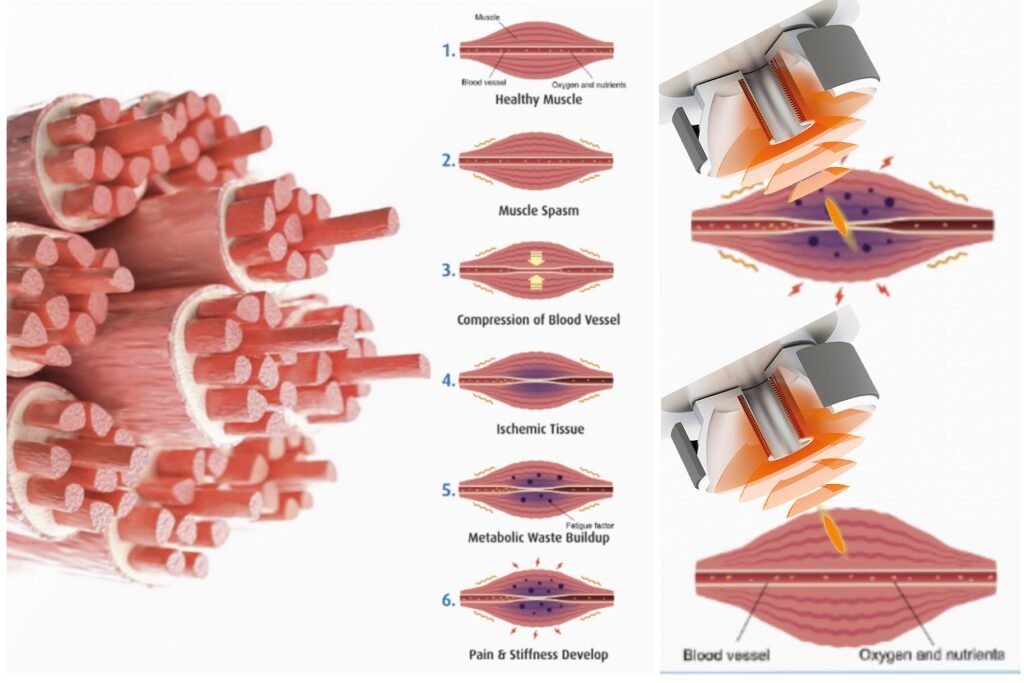
From a clinical perspective, this makes electromagnetic systems ideal for treating:
- Large muscle groups
- Fascia and connective tissue
- Chronic pain areas
- General rehabilitation conditions
Patient Experience and Practical Use
Because energy is distributed along the entire path, patients typically feel:
- Surface-level stimulation
- Gradual increase in pressure toward deeper tissue
The sensation is moderate but spread over a wider area, which is generally well tolerated.
This makes electromagnetic focused shockwave machines highly suitable for:
- High-volume clinics
- Multi-treatment environments
- Operators with varying levels of experience
Market Positioning of Electromagnetic Systems
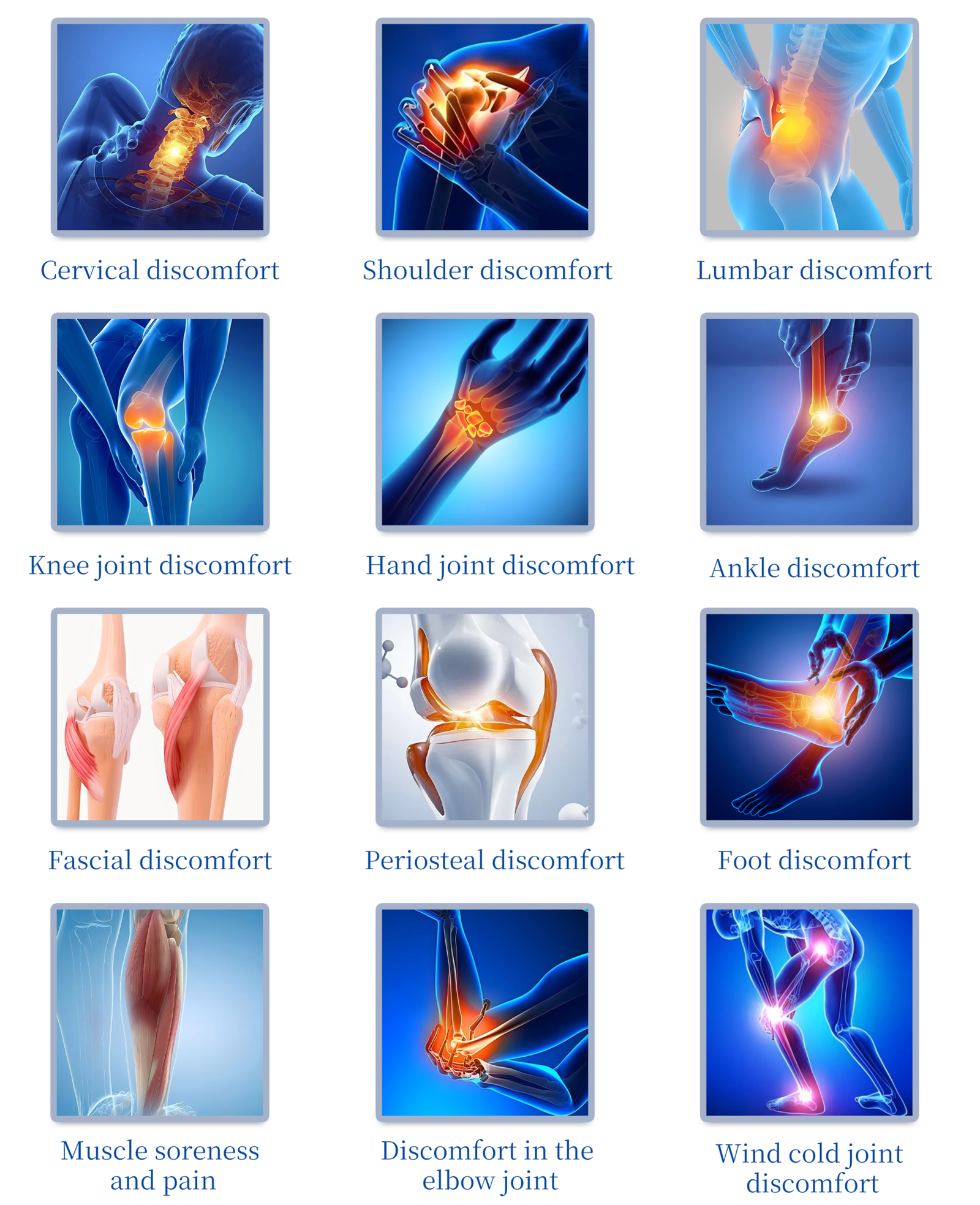
Electromagnetic systems like SWEED are best positioned as:
Versatile, high-efficiency, multi-application devices
They are commonly used in:
- Physiotherapy clinics
- Rehabilitation centers
- Beauty and wellness clinics
From a business perspective, they offer:
- Faster return on investment
- Broader service offerings
- Easier staff training
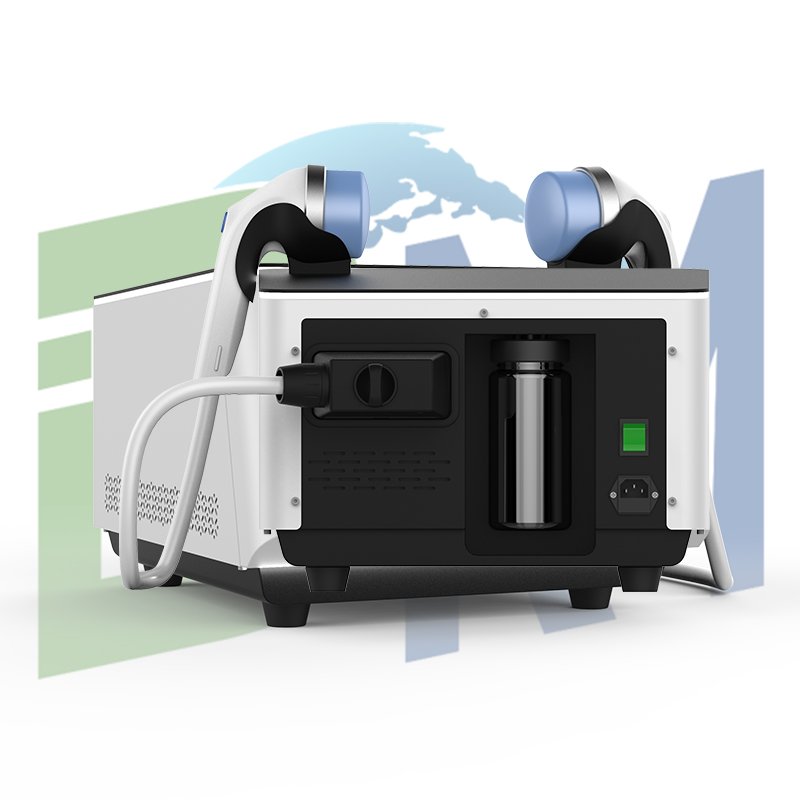
Piezoelectric Focused Shockwave (EMIMPACTPOE Type)
How Piezoelectric Shockwave Machines Work
Piezoelectric systems are based on the piezoelectric effect, where certain crystals change shape when exposed to an electrical voltage.
In these machines, hundreds or thousands of piezoelectric crystals are arranged in a spherical configuration. When activated simultaneously, each crystal emits a pressure wave that travels toward a common focal point.
Because all waves are synchronized, they naturally converge and combine at that point.
This means the energy is already focused at the moment it is generated, without the need for reflectors or lenses.
The process is:
Electrical energy → Crystal deformation → Directly focused acoustic energy
This is known as a source-focused system.
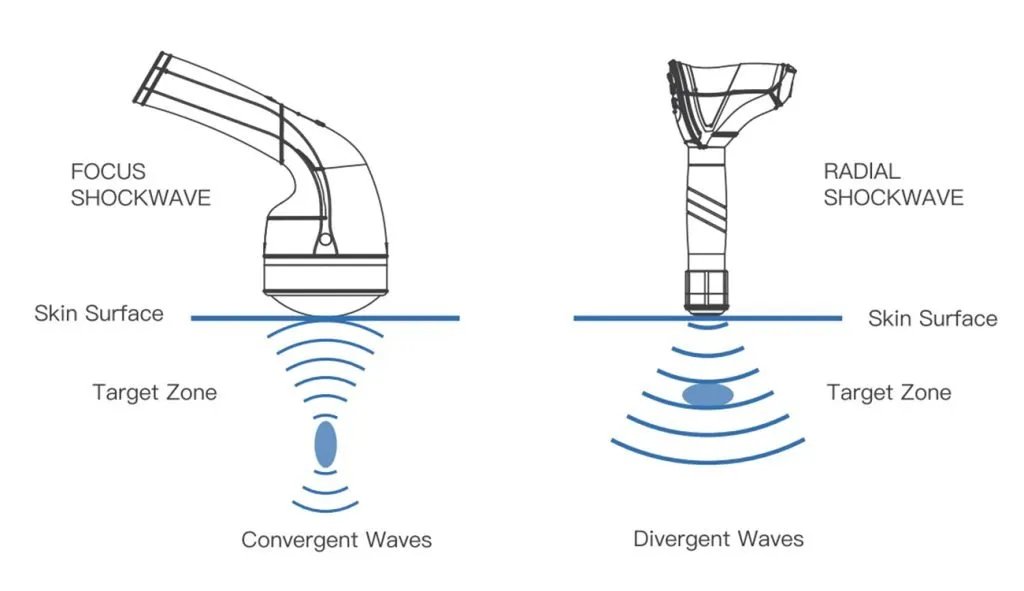
Energy Distribution and Precision
Piezoelectric systems produce a highly concentrated energy profile.
- Very low energy at the skin surface
- Minimal interaction through intermediate tissue
- Sharp energy peak at the focal point
This creates an extremely precise, localized treatment effect.
Compared to electromagnetic systems, the energy is not spread — it is concentrated into a very small focal volume.
Patient Experience and Clinical Effect
Because surface energy is minimal, patients often experience:
- Little to no discomfort during penetration
- A strong, localized sensation at depth
This results in a treatment that feels more targeted and controlled, rather than broadly intense.
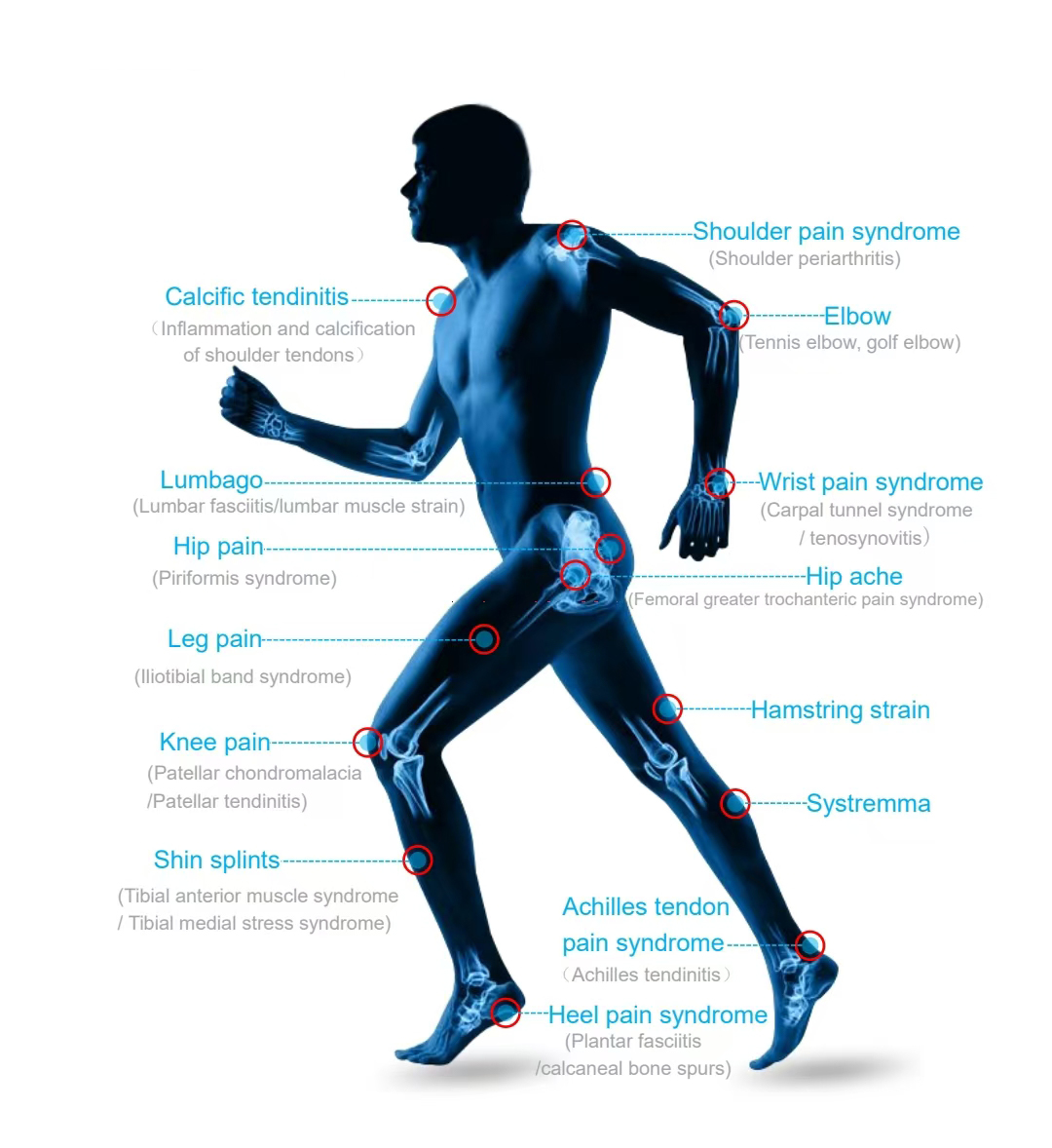
Clinically, this precision makes piezoelectric systems particularly effective for:
- Calcific tendinitis
- Deep trigger points
- Erectile dysfunction (ED therapy)
- Small, localized pathological conditions
Market Positioning of Piezoelectric Systems
Piezoelectric systems like EMIMPACTPOE are positioned as:
High-precision, high-end medical devices
They are typically used in:
- Urology clinics
- Orthopedic practices
- Specialized rehabilitation centers
From a business perspective, they enable:
- Premium treatment pricing
- Strong differentiation
- Advanced clinical positioning


Electromagnetic vs Piezoelectric Shockwave: Key Differences
The real difference between these two technologies is not just technical — it directly affects how you operate your clinic.
Electromagnetic systems deliver energy across a broader area, making them ideal for general therapy and high patient volume.
Piezoelectric systems deliver energy to a precise focal point, making them ideal for specialized treatments and high-value procedures.
In essence:
- Electromagnetic = Coverage and versatility
- Piezoelectric = Precision and specialization
Which Focused Shockwave Machine Is Better for Your Business?
Choosing the right system depends on your target market and treatment strategy.
If your goal is to:
- Treat a wide range of conditions
- Serve more clients per day
- Offer general therapy services
Then an electromagnetic system is typically the better choice.
If your goal is to:
- Focus on high-end treatments
- Enter medical or urology markets
- Offer specialized procedures like ED therapy
Then, a piezoelectric system is more suitable.
Final Thoughts: Choosing the Right Technology
There is no universal “best” focused shockwave machine.
The right decision depends on:
- Your clinic positioning
- Your target patients
- Your pricing strategy
- Your long-term business model
Understanding the difference between electromagnetic and piezoelectric shockwave systems allows you to invest not just in a device — but in a clear treatment strategy and market position.
Looking for a Reliable Manufacturer?
If you are sourcing focused shockwave machines for your clinic or distribution business, choosing a manufacturer that offers both electromagnetic and piezoelectric technologies gives you maximum flexibility.
You can build a product line that matches different markets, rather than limiting yourself to one approach.
👉 Contact us to get: