
Single Handle 3 Wavelength Laser Hair Removal Machine $2699 Free Shipping Dismiss
Skip to content

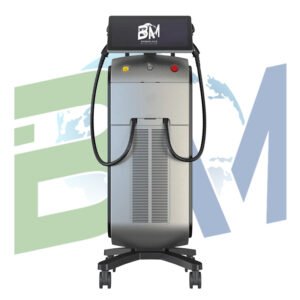
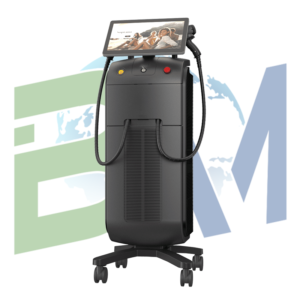
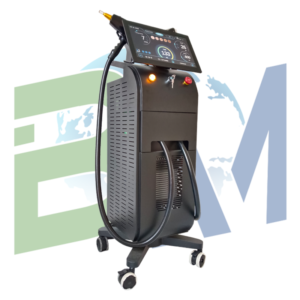
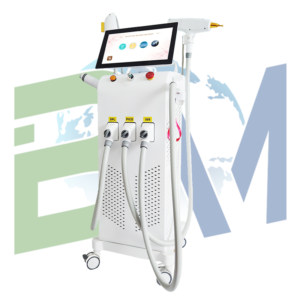
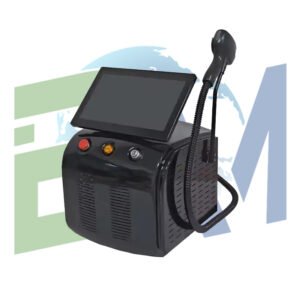
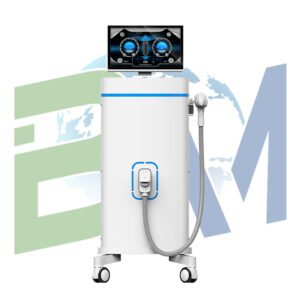

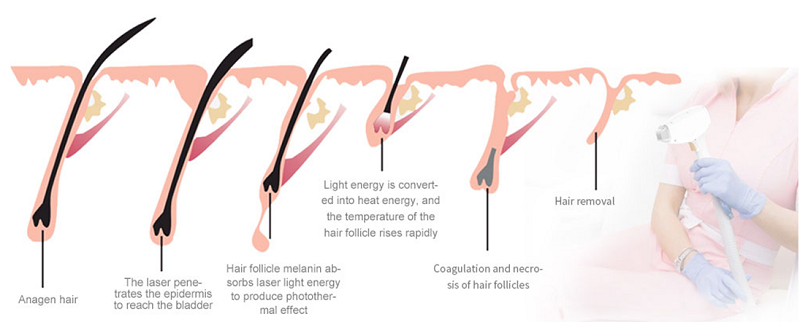
The wavelength of a diode laser is primarily absorbed by the melanin pigment in hair follicles. The laser energy penetrates the skin and focuses on the melanin pigment in the hair follicles, converting the light energy into heat. This heats and destroys the hair follicle’s growth cells (such as the dermal papilla and hair follicle stem cells), thereby preventing hair regrowth.
Due to its longer wavelength, diode lasers are effective for deeper hair follicles and are safer for darker skin types (Fitzpatrick IV-VI), reducing the risk of epidermal damage.
The laser’s high absorption by melanin ensures that it primarily damages the hair follicles, minimizing damage to the surrounding skin. Hair follicles in the **anagen** phase are most sensitive to laser light, so multiple treatments (usually 4-8 treatments, spaced 4-8 weeks apart) are required to cover the different growth cycles of the hair.
Diode laser devices are typically equipped with contact cooling (such as a sapphire cooling tip) or a dynamic cooling mechanism to cool the skin surface during treatment, reducing the burning sensation, protecting the epidermis, and minimizing side effects.
Wide Applicability: Suitable for most skin types (I-VI), including darker skin tones, and effective for both coarse and fine hair.
Efficient and Comfortable: The large spot size and high pulse frequency allow for wider coverage and shorten treatment time; cooling technology ensures a more comfortable procedure.
High Safety: Diode lasers have a lower risk of thermal damage to darker skin types.
Lasting Results: Long-term or permanent hair reduction can be achieved after multiple treatments.

The Alexandrite Laser Machine operates on the principle of selective photothermolysis. Its dual-wavelength laser system (755 nm Alexandrite laser and 1064 nm Nd:YAG laser) precisely targets specific skin tissues for treatment. The following is a brief description of its key principles:
The 755 nm Alexandrite laser is primarily absorbed by melanin in the skin (such as melanin in hair or pigmentation), making it suitable for treating lighter skin types (Fitzpatrick skin types I-IV) and coarser hair.
The 1064 nm Nd:YAG laser offers greater penetration and is suitable for treating darker skin types (Fitzpatrick skin types IV-VI) and finer hair.
Once absorbed by the target tissue (such as the hair follicle duct), the laser energy is converted into heat, destroying the target tissue while minimizing damage to surrounding healthy skin.
The Alexandrite Laser Machine is equipped with a patented Dynamic Cooling Device that delivers a short burst of cryogen (cryo-spray) before and/or after each laser pulse. This cools the epidermis, protects the skin from thermal damage, reduces discomfort during treatment, and enhances safety.
Hair Removal: Laser energy is absorbed by the melanin in the hair follicles, heating and destroying the hair growth cells, achieving permanent hair reduction.
Dual Wavelength Flexibility: The optimal wavelength can be selected based on skin type, hair color, and treatment goals.
High Power and Short Pulses: Provides rapid, precise energy delivery, reducing treatment time and enhancing results.
Large Spot Size and High Frequency: The GLX delivery system supports a large spot size (up to 26 mm) and high pulse frequency, covering a larger area and accelerating treatment speed.
The Alexandrite Laser Machine utilizes precise laser wavelength selection and cooling technology to target and destroy hair follicles while protecting the surrounding skin, achieving highly effective and safe cosmetic results. The treatment effect varies due to individual differences, and professionals need to adjust the parameters according to the specific situation.
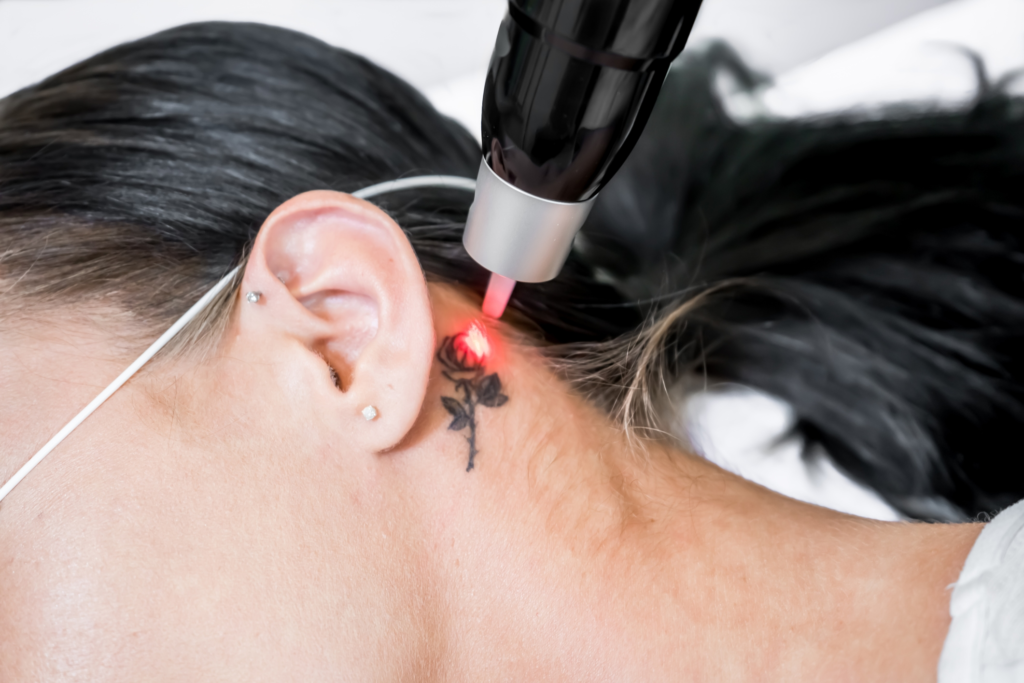
Picosecond laser technology utilizes ultra-short pulse durations (on the order of picoseconds, or 10⁻¹² seconds). It works by delivering high-energy laser pulses with extremely high peak power to target tissues, creating a photomechanical effect. This effect breaks down pigments or tattoo ink into tiny fragments, allowing the body to naturally clear them while minimizing damage to surrounding tissues.
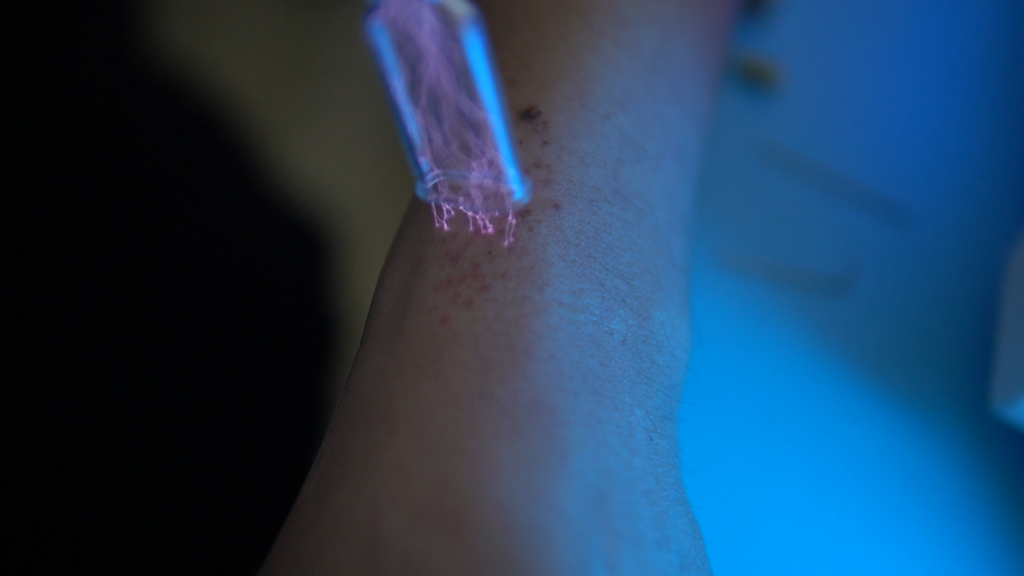
Fusion Plasma Beauty machines combine cold and warm plasma technologies with complementary methods like electroporation and micro-currents to deliver ionized gas energy to the skin. Cold plasma generates low-temperature ionized particles for gentle sterilization and regeneration, while warm plasma provides controlled heat to stimulate collagen production and tissue remodeling. This hybrid approach creates micro-pathways in the stratum corneum, enhancing product absorption (up to 439% increase) and triggering the body’s natural healing response without damaging the skin barrier.
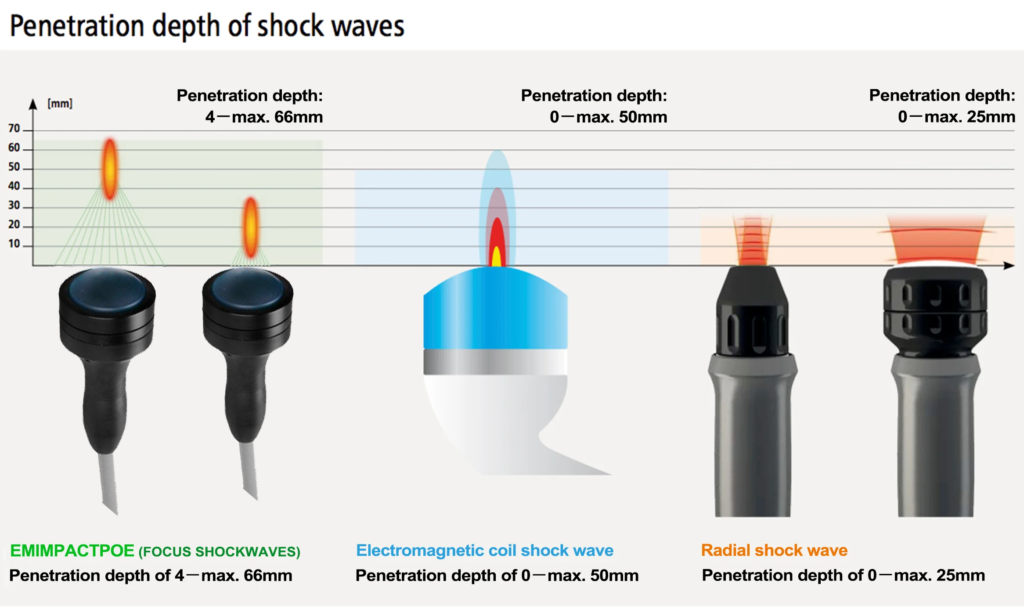
Shockwave machines employ extracorporeal shockwave therapy (ESWT), delivering high-energy acoustic waves—either radial (dispersive) or focused (concentrated)—to targeted tissues. These waves create mechanical stress, inducing microtrauma that stimulates biological responses like neovascularization, inflammation modulation, and growth factor release. This enhances tissue repair, pain relief, and regeneration without invasive procedures, leveraging the body’s natural healing mechanisms.
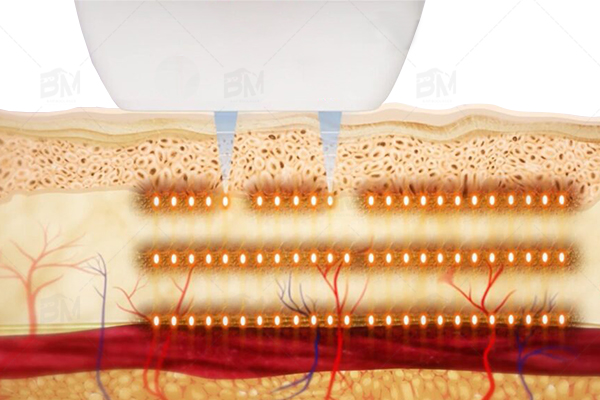
High-Intensity Focused Ultrasound (HIFU) machines in medical aesthetics use focused ultrasound waves to deliver precise thermal energy to targeted skin layers (typically 1.5mm, 3mm, or 4.5mm depths, reaching the dermis and SMAS layer). This energy creates controlled micro-thermal coagulation zones, stimulating collagen and elastin production without damaging the skin’s surface. The process triggers the body’s natural regenerative response, resulting in tightened skin and improved elasticity.
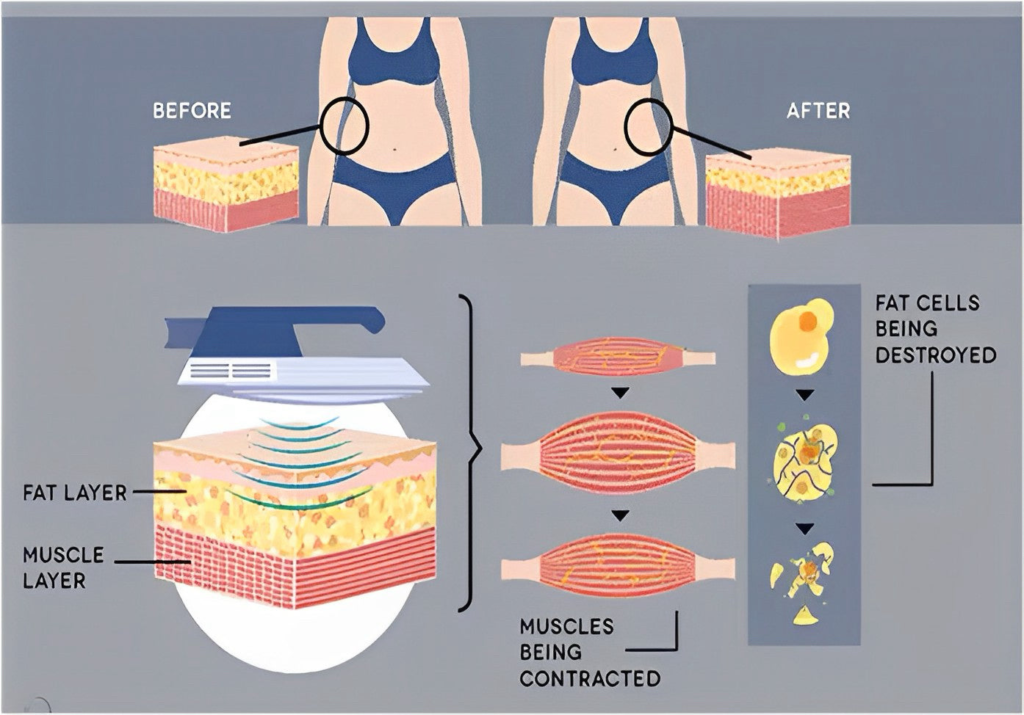
Ems body sculpting technology is a non-invasive body contouring treatment that uses High-Intensity Focused Electromagnetic technology to induce supramaximal muscle contractions—far beyond what can be achieved through voluntary exercise. These intense contractions trigger muscle hypertrophy (growth) and hyperplasia (increased muscle fibers), while also causing fat cell apoptosis (cell death) through metabolic stress. The Ems body sculpting technology NEO variant combines with synchronized radiofrequency (RF) energy for enhanced fat heating and elimination, delivering “less fat, more muscle” results.
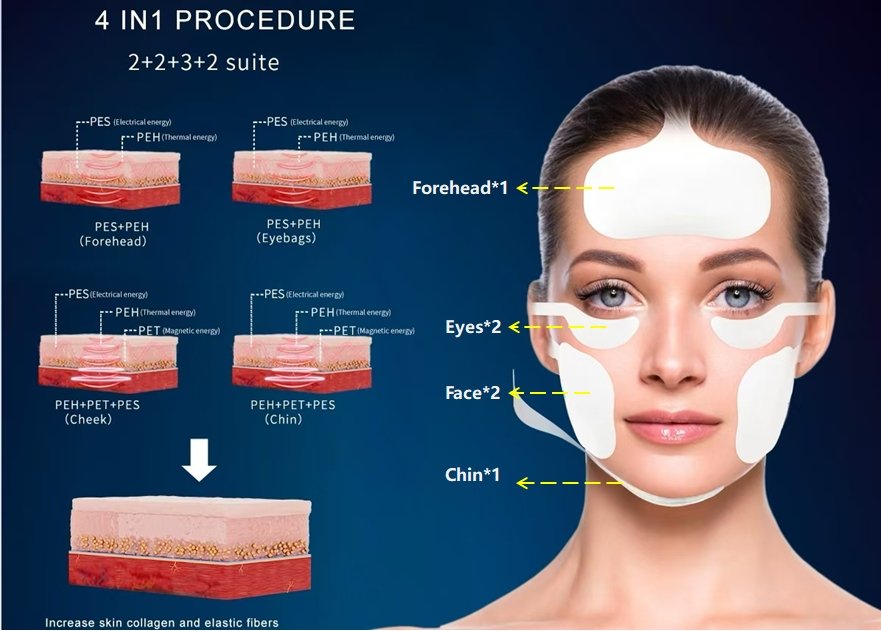
Ems RF face machine is a non-invasive facial rejuvenation treatment that combines synchronized radiofrequency (RF) energy and High-Intensity Facial Electrical Stimulation technology. RF heats the skin to stimulate collagen and elastin production, improving texture and elasticity, while Hin-intensity facial electrical stimulation technology induces supramaximal contractions in facial muscles to build tone and volume. This dual-action targets both skin and underlying muscles, addressing sagging and wrinkles at their root without needles or surgery.

The HydraFacial machine employs patented Vortex-Fusion technology, a form of hydrodermabrasion that uses a specialized wand with a spiral tip to create a vortex effect. This combines gentle vacuum suction and swirling serums to simultaneously cleanse, exfoliate, extract impurities (like dirt, oil, and dead skin cells), and infuse the skin with nourishing antioxidants, peptides, and hyaluronic acid. The process penetrates pores without abrasion, promoting hydration and skin renewal while minimizing irritation.
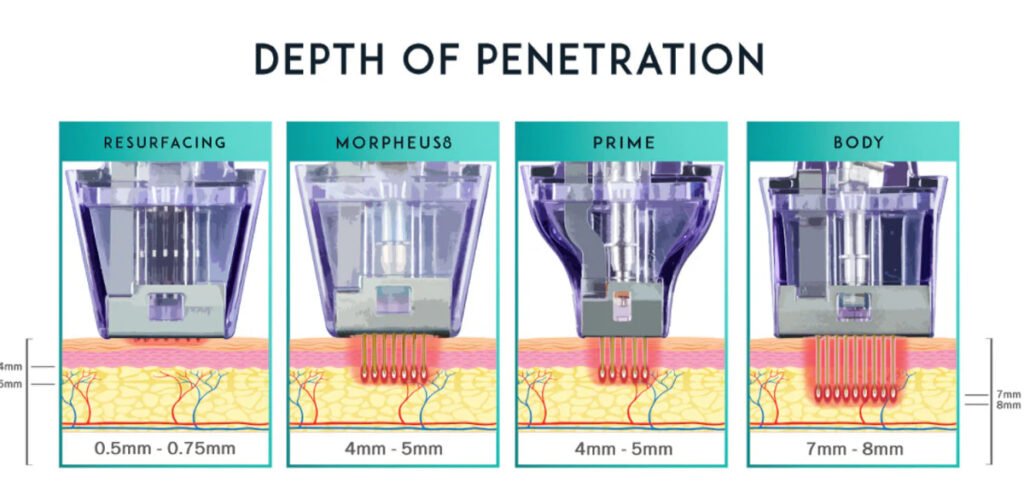
Microneedle fractional machines, also known as microneedling or collagen induction therapy devices, use a series of fine, sterile needles (typically 0.25–2.5 mm in length) to create controlled micro-injuries in the skin. These microchannels stimulate the skin’s natural healing response, triggering collagen and elastin production to repair and regenerate tissue. Advanced models often integrate radiofrequency (RF) energy (fractional RF microneedling), delivering thermal energy to deeper layers for enhanced tightening and remodeling, without damaging the skin’s surface.
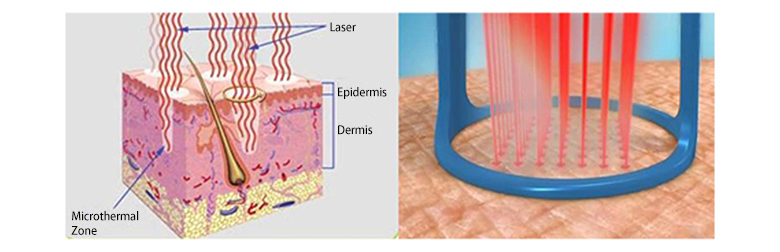
Fractional CO2 laser machines use a carbon dioxide laser (wavelength 10,600 nm) to deliver controlled microthermal beams into the skin in a fractional pattern, creating microscopic columns of thermal injury (microthermal zones). These zones stimulate the skin’s natural healing process, promoting collagen and elastin production while leaving surrounding tissue intact. This dual action of ablation (vaporizing superficial skin) and coagulation (heating deeper layers) resurfaces the skin and enhances tightening, effectively addressing surface and structural skin concerns.
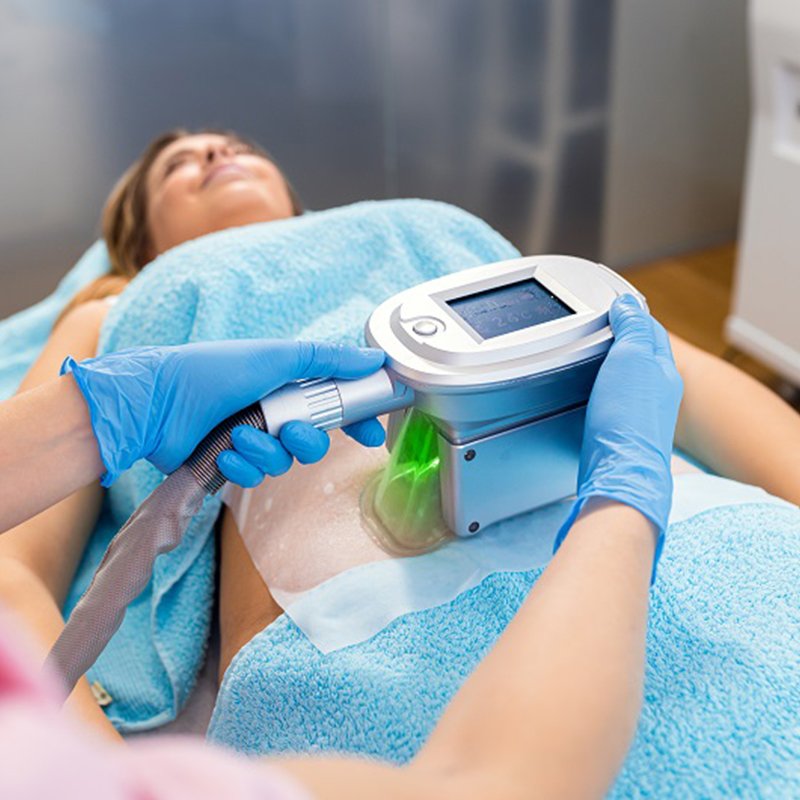
Fat freezing machines use controlled cooling technology to target and freeze subcutaneous fat cells (adipocytes) at temperatures between -5°C to -10°C (23°F to 14°F), exploiting the fact that fat cells are more vulnerable to cold than surrounding skin, muscle, or nerve tissues. The lipids in fat cells crystallize and undergo apoptosis (programmed cell death), triggering an inflammatory response where macrophages gradually eliminate the damaged cells over 1–3 months. This non-invasive process reduces fat thickness by up to 25% per treatment without harming adjacent structures.
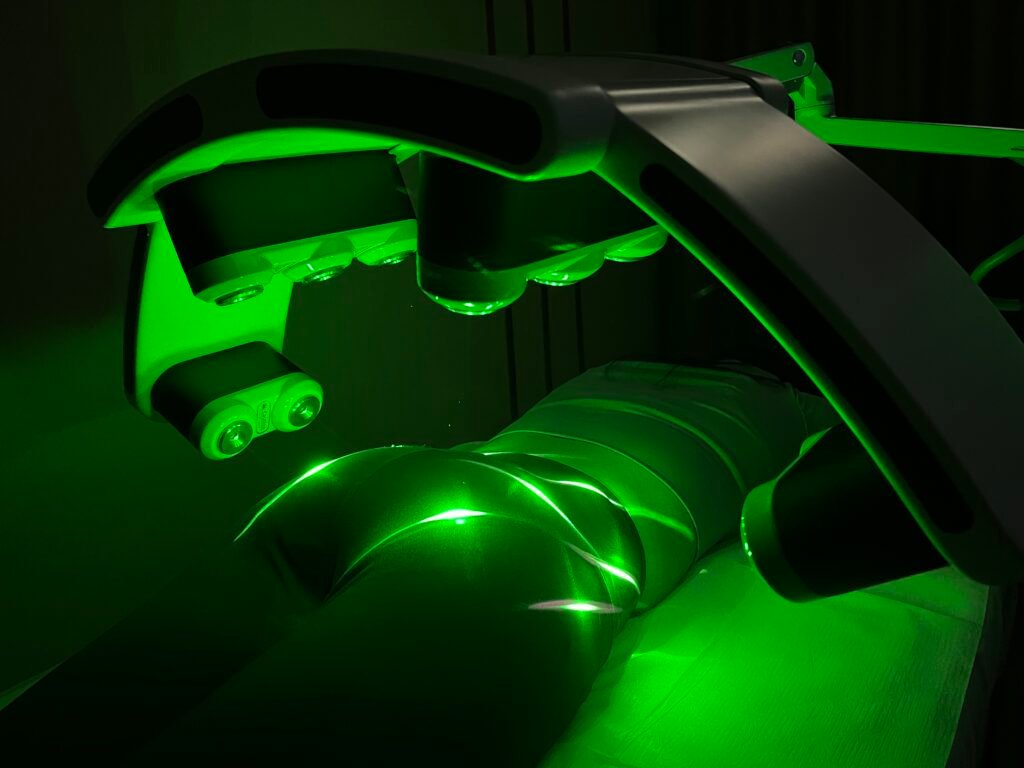
The Emerald Laser machine, developed by Erchonia, utilizes low-level laser therapy (LLLT) with ten 532 nm green laser diodes to emit non-thermal, low-intensity light energy directly into subcutaneous fat cells. This photobiomodulation process creates temporary pores in the adipocyte cell membranes, allowing emulsified fat contents (lipids and cellular debris) to escape without heat, cooling, or damage to surrounding tissues. The released fats are then naturally metabolized and eliminated by the body’s lymphatic system over several weeks, leading to circumference reduction.
The Endosphere machine employs patented Compressive Microvibration technology, featuring a handpiece with rotating silicone spheres (typically 55 in number) that deliver low-frequency mechanical vibrations (39–355 Hz) and pulsed pressure waves to the skin and underlying tissues. This creates a “vascular gymnastics” effect, enhancing lymphatic drainage, blood circulation, and oxygen delivery while stimulating mechanotransduction for collagen and elastin production. The non-thermal, rhythmic action remodels fibrous tissues and reduces fluid retention without damaging the surface, promoting natural tissue regeneration and homeostasis.
VelaShape machines combine four technologies—Infrared (IR) light, bipolar radiofrequency (RF) energy, vacuum suction, and mechanical massage—to target subcutaneous fat and skin tissues non-invasively. IR and RF energies heat the dermis and fat layers (up to 3–15 mm deep) to stimulate collagen production, enhance blood flow, and disrupt fat cell membranes. Vacuum and massage rollers improve lymphatic drainage and smooth skin texture, promoting fat metabolism and tissue remodeling without damaging the surface.
Skin analysis machines, utilize advanced multi-spectral imaging, AI algorithms, and 3D modeling to capture high-resolution images of the skin under various light modes (e.g., standard, UV, polarized, and cross-polarized). These devices employ RGB visible light, ultraviolet fluorescence, and infrared sensors to penetrate surface and subsurface layers, quantifying parameters like pigmentation, hydration, and texture. AI processes the data to generate objective metrics, comparing results against age-matched norms and tracking changes over time for precise diagnostics.
Body analysis machines primarily use Bioelectrical Impedance Analysis (BIA), a non-invasive method that sends a safe, low-level alternating electrical current through the body via electrodes or hand/foot sensors. The principle relies on the fact that lean tissue (muscle and water) conducts electricity well due to its high water and electrolyte content, while fat is a poor conductor. By measuring electrical impedance (resistance) at multiple frequencies, the machine calculates body composition metrics like fat mass, muscle mass, and water percentage using proprietary algorithms. Advanced models, such as those using Dual-Energy X-ray Absorptiometry (DXA), employ low-energy X-rays to differentiate bone, fat, and lean mass with higher precision.

