The Evolution of Shockwave Technology and Today’s Most Advanced Shockwave Machines
Shockwave therapy has become one of the most important non-invasive treatment modalities in modern rehabilitation medicine, orthopedics, sports medicine, and aesthetic applications. With the rapid development of medical technology, shockwave machines are now widely adopted by clinics and hospitals worldwide due to their effectiveness, safety, and strong return on investment.
1. A Brief History of Shockwave Therapy
The origin of shockwave technology can be traced back to the 1960s in Germany. Initially, shockwaves were not developed for rehabilitation, but for medical lithotripsy—the non-invasive fragmentation of kidney stones using high-energy acoustic waves.
During early clinical use, researchers observed that shockwaves had significant biological effects on human tissue beyond stone disintegration. These effects included pain relief, improved blood circulation, and accelerated tissue regeneration. This discovery marked the turning point for shockwave therapy entering musculoskeletal and rehabilitation medicine.
By the 1990s, extracorporeal shockwave therapy (ESWT) was widely introduced into orthopedic and sports medicine fields. Over the last two decades, advancements in shockwave machine design, energy control, and treatment precision have further expanded clinical indications, making shockwave therapy a mainstream, evidence-based treatment worldwide.

2. Scientific Principles of Shockwave Therapy
2.1 What Is a Shockwave?
A shockwave is a high-energy acoustic wave characterized by:
- Extremely rapid pressure rise
- Short pulse duration
- High peak energy
- Ability to propagate through soft tissue and fluids
Unlike traditional ultrasound, shockwaves deliver mechanical energy pulses rather than continuous sound waves, creating unique biological responses.
2.2 How Shockwave Therapy Works
The therapeutic effects of shockwave therapy are based on several well-established mechanisms:
• Mechanical Stimulation
Shockwaves create micro-mechanical stress in tissues, activating cellular repair processes and mechanotransduction pathways.
• Neovascularization
Shockwave therapy stimulates the formation of new blood vessels, improving microcirculation and oxygen supply in damaged tissues.
• Pain Modulation
Shockwaves reduce pain by:
- Decreasing substance P concentration
- Modulating nerve signaling
- Reducing muscle tension and trigger points
• Tissue Regeneration
Shockwaves promote collagen production, tendon remodeling, and bone healing, making them highly effective for chronic conditions.
2.3 Conditions Treatable with Shockwave Therapy
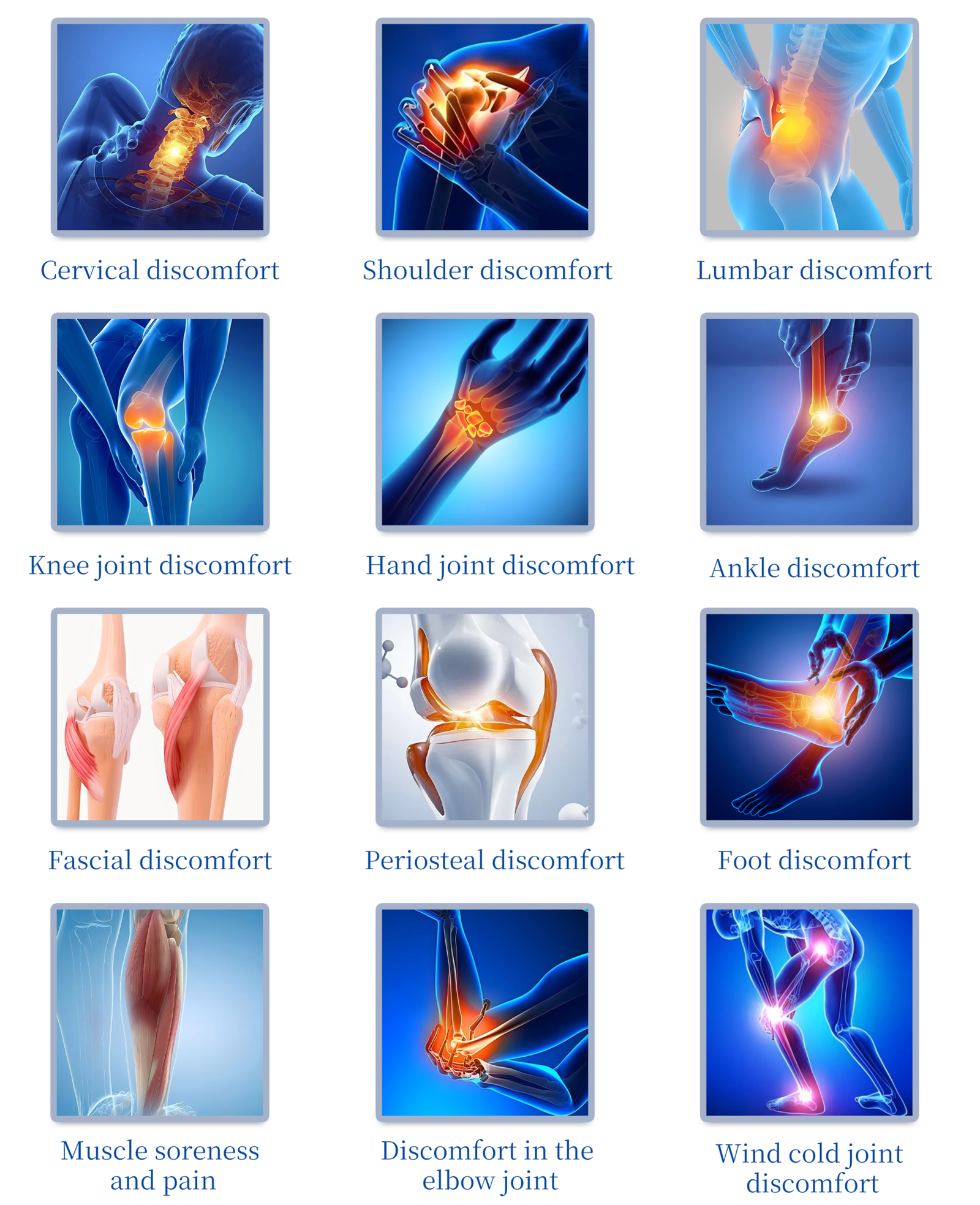
Modern shockwave machines are commonly used to treat:
- Plantar fasciitis
- Achilles tendinopathy
- Tennis elbow (lateral epicondylitis)
- Shoulder calcific tendinitis
- Patellar tendinopathy
- Myofascial pain syndrome
- Chronic muscle injuries
- Delayed bone healing and non-union
These indications are supported by extensive clinical research and global medical guidelines.
2.4 Effectiveness of Shockwave Therapy
Multiple clinical studies have demonstrated that shockwave therapy achieves:
- High patient satisfaction
- Significant pain reduction after 3–6 sessions
- Long-lasting results compared to conservative treatments
- Reduced need for surgery or medication
As a result, shockwave therapy is now considered a first-line or adjunctive treatment in many musculoskeletal protocols.
2.5 Key Advantages of Shockwave Therapy
- Non-invasive and drug-free
- Short treatment sessions
- Minimal downtime
- High safety profile
- Suitable for chronic and refractory conditions
These advantages explain the rapid global adoption of shockwave machines in clinics and rehabilitation centers.
3. Two Main Shockwave Technology Types Explained
Among various shockwave technologies, focused shockwave therapy and piezoelectric shockwave therapy represent the most advanced and clinically valuable solutions.
3.1 Focused Shockwave Therapy (FSWT)
Technology Principle
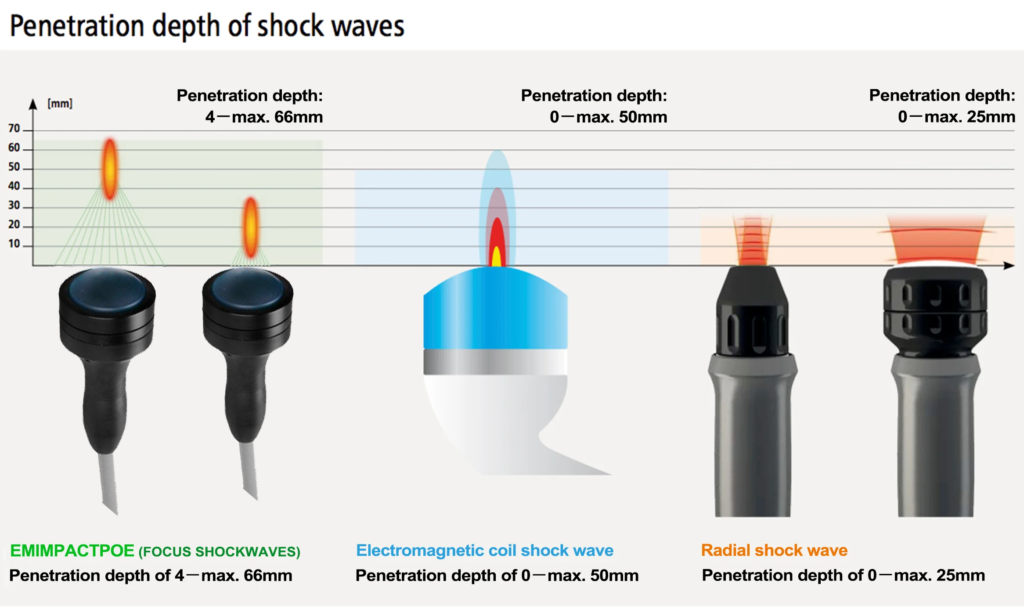
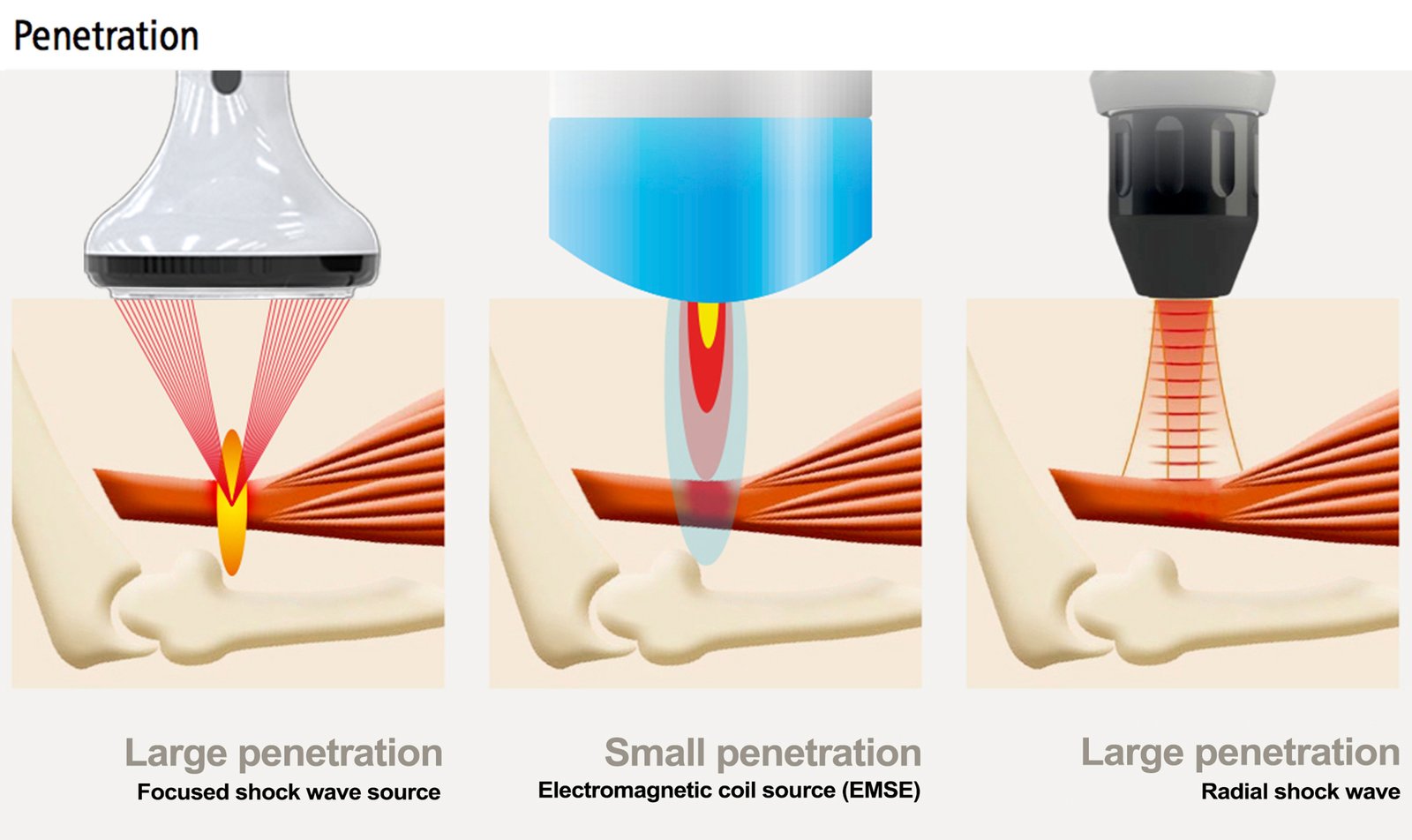
Focused shockwave therapy generates shockwaves using electromagnetic, electrohydraulic, or piezoelectric sources, then concentrates the energy at a precise focal point deep inside the tissue.
Key Advantages
- Deep penetration (up to 10–12 cm)
- High energy density
- Precise targeting of pathological tissue
- Strong biological stimulation
Clinical Applications
- Deep tendon injuries
- Chronic calcifications
- Bone healing disorders
- Severe and long-standing pain conditions
Focused shockwave therapy is widely regarded as the gold standard in orthopedic and sports medicine shockwave treatment.
3.2 Piezoelectric Shockwave Therapy
Technology Principle
Piezoelectric shockwave machines use multiple piezoelectric crystals that expand when electrically stimulated. These synchronized expansions generate highly precise shockwaves that naturally converge at a focal zone.
Key Advantages
- Extremely high precision
- Stable and uniform energy output
- Lower discomfort during treatment
- Excellent safety profile
Clinical Applications
- Superficial to mid-depth soft tissue injuries
- Tendinopathies requiring precise control
- Neuromuscular and sensitive anatomical areas
Piezoelectric shockwave therapy is favored in applications where precision and patient comfort are top priorities.
4. Shockwave Therapy Market Growth and Clinical Benefits
4.1 Why Shockwave Therapy Is a Growing Market
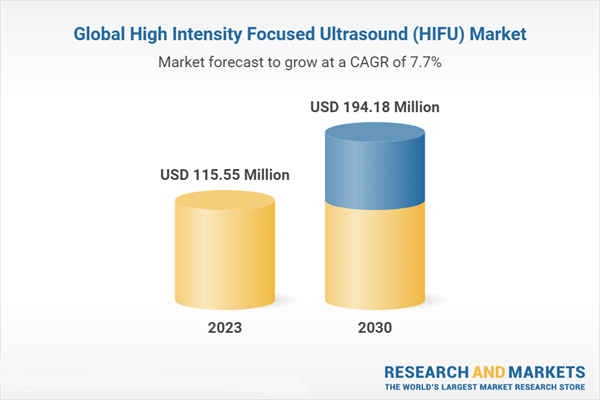
The global demand for shockwave therapy continues to rise due to:
- Aging populations
- Increased sports injuries
- Demand for non-surgical solutions
- Strong clinical evidence and guidelines
Advanced shockwave machines are now considered essential equipment in modern rehabilitation clinics.
4.2 Benefits for Clinics and Medical Centers
For clinics planning to add shockwave therapy services, the benefits are significant:
- High treatment margins
- Short learning curve for practitioners
- Broad patient applicability
- Cross-selling opportunities with physiotherapy and rehabilitation programs
- Strong patient retention due to visible results
Shockwave therapy enables clinics to offer premium, evidence-based treatments while improving operational profitability.
From its origins in lithotripsy to its current role as a cornerstone of modern rehabilitation medicine, shockwave technology has evolved into a highly sophisticated and clinically validated treatment solution. Today’s advanced shockwave machines, especially those using focused and piezoelectric technologies, deliver precise, effective, and safe therapy for a wide range of musculoskeletal conditions.
As the shockwave therapy market continues to expand, clinics that invest early in high-quality shockwave systems gain a clear competitive advantage—both clinically and commercially.
For manufacturers like Bamboolaser, providing advanced shockwave solutions means empowering clinics worldwide with technology that delivers real therapeutic outcomes and sustainable business growth.