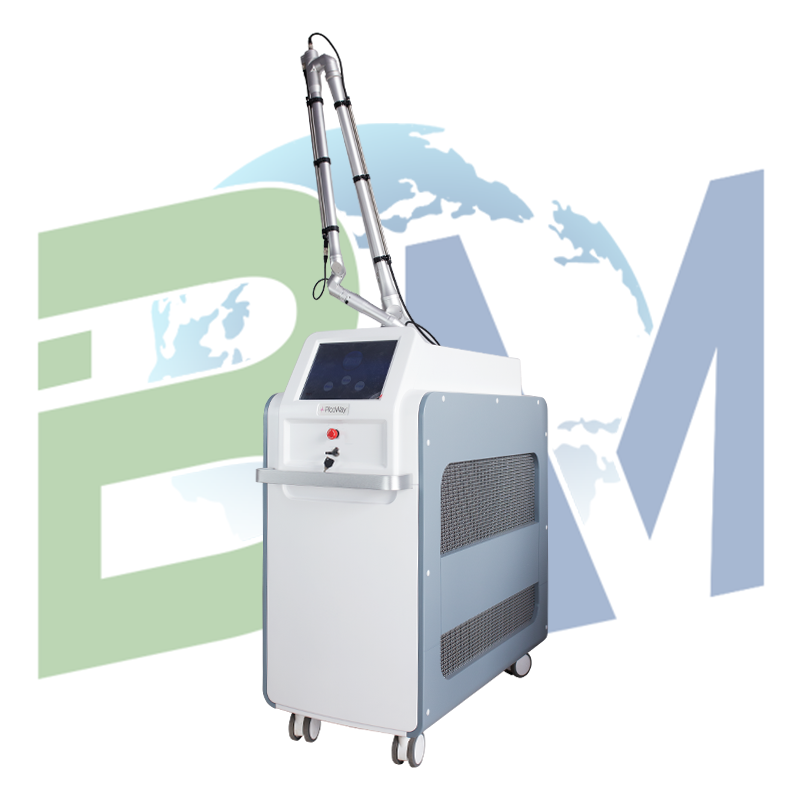
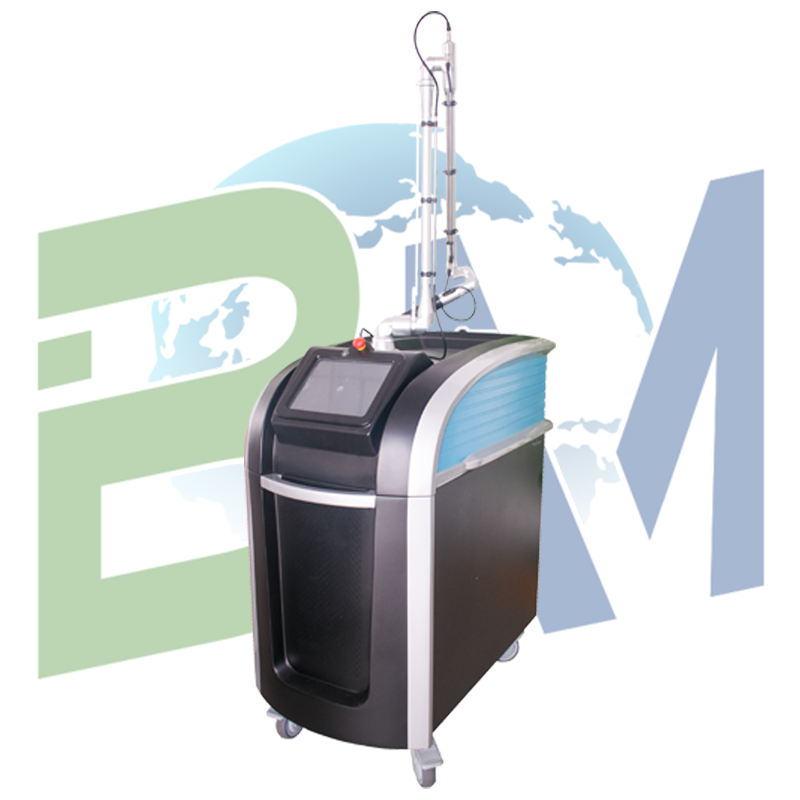
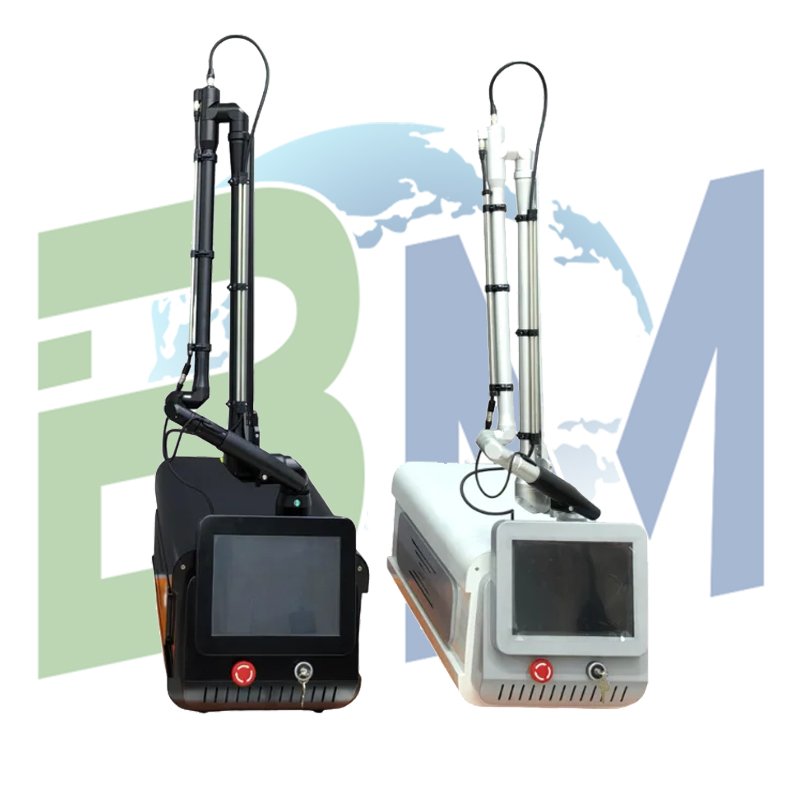
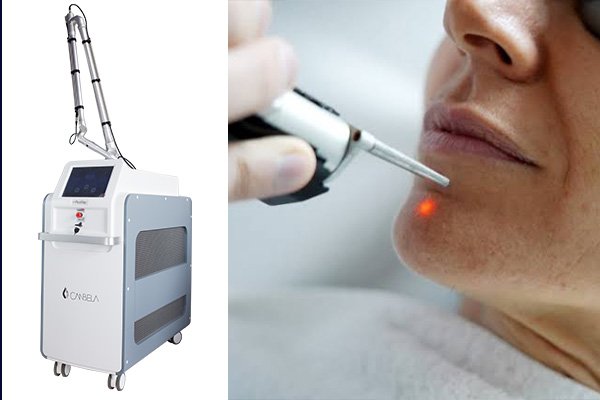
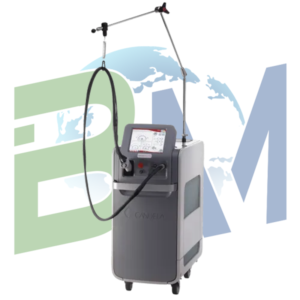
When purchasing laser equipment, many people find themselves confused by the array of terms—such as picosecond laser, Q-switch, Nd: YAG, Q-switched Nd: YAG, PicoWay, and PicoSure. While these terms all relate to laser treatments for pigmentation, tattoos, and melasma, they belong to different categories: some refer to the laser medium, others to the pulse delivery method, and some to specific equipment brands. Clarifying these fundamental concepts is essential for accurately determining which machine best suits your facility, your clientele, and your service offerings.
This article aims to systematically explain the most common concepts in laser-based pigmentation treatment. It will help you quickly grasp the differences between picosecond lasers and Q-switched Nd: YAG systems, ensuring you make informed decisions when selecting a picosecond laser tattoo removal machine, a general picosecond laser machine, a picosecond laser for melasma, or other laser equipment.
I. Understanding Four Basic Concepts
1. What is Q-switching?
Q-switching is not a laser material but a method of pulse delivery. Its core characteristic is the compression of laser energy into an extremely short timeframe, creating short pulses with high peak power; this allows for the more effective shattering of pigment particles or tattoo ink granules. Q-switching is a classic technology in the field of laser pigmentation removal, commonly used to treat pigmented lesions, eyebrow and eyeliner tattoos, and body tattoos.
2. What is Nd: YAG?
Nd: YAG stands for Neodymium-doped Yttrium Aluminum Garnet, which is a type of laser medium. Its most common operating wavelength is 1064 nm, though some devices can also output 532 nm through frequency doubling. Due to its versatile wavelength options and strong penetration capabilities, Nd: YAG is frequently used for pigmentation treatment, tattoo removal, certain hair removal procedures, and skin care treatments.
3. What is Q-switched Nd: YAG?
Q-switched Nd: YAG combines the two concepts mentioned above: Nd:YAG serves as the laser medium, while Q-switching acts as the pulse control method. In other words, it is a device or technology configuration that utilizes an Nd: YAG laser with Q-switched pulsed output. The most common clinical Q-switched Nd: YAG systems typically operate at wavelengths of 1064 nm and 532 nm, representing a classic category of pigment-targeting lasers.
4. What is a Picosecond Laser?
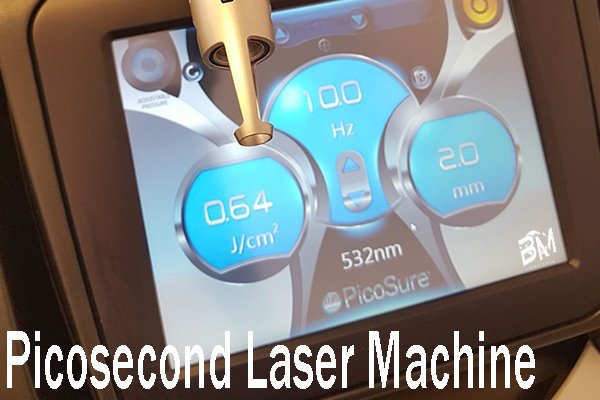
A picosecond laser refers to a system utilizing ultra-short pulse technology with pulse durations in the picosecond range. Compared to traditional nanosecond Q-switched lasers, picosecond lasers feature shorter pulses and more concentrated energy delivery. Consequently, they tend to shatter pigment particles into finer fragments via the photomechanical effect, while minimizing thermal diffusion and damage to surrounding tissues. In recent years, picosecond lasers have become a highly popular upgrade choice for treatments involving tattoo removal, melasma, pigmentation, and skin texture improvement.
II. Detailed Characteristics of Q-switched Nd: YAG Lasers
Technical Nature
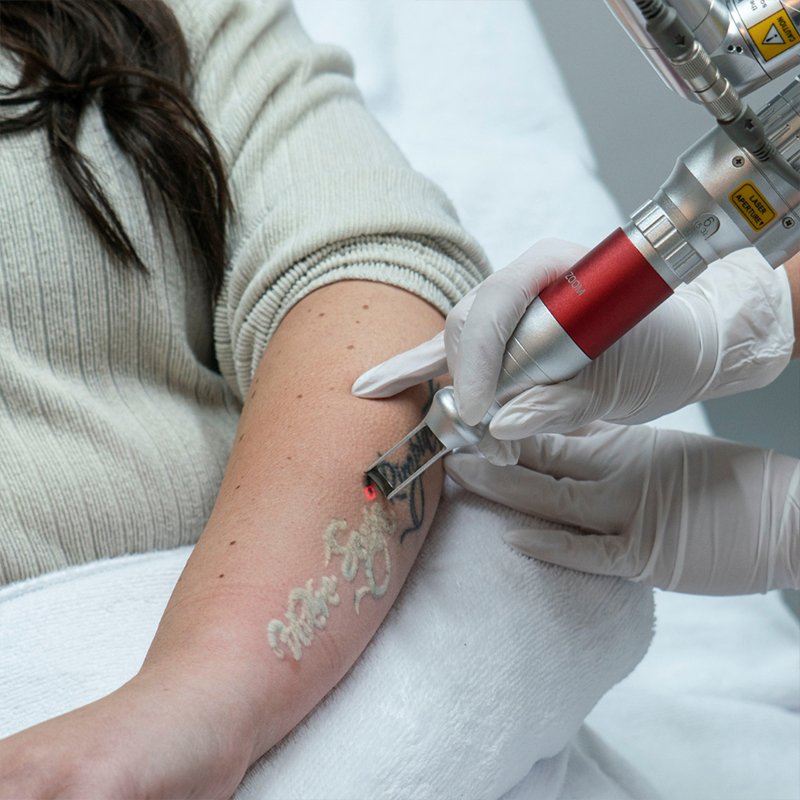
The Q-switched Nd: YAG laser is a classic Q-switched system with mature technology and widespread clinical application. It boasts a long history of use in treating pigmentation issues and enjoys high market recognition; many clinics prioritize this type of machine for laser spot removal, tattoo removal, and the removal of cosmetic tattoos (such as permanent makeup). For clinics with limited budgets that still wish to offer treatments for common pigmentation issues, the Q-switched Nd: YAG laser remains a highly practical choice.
Pulse Width / Pulse Duration
The pulse width of Q-switched Nd: YAG lasers typically falls within the nanosecond range. While nanosecond pulses are sufficiently short, they are longer than those of picosecond lasers; this means energy remains in the tissue for a longer period, resulting in a relatively more pronounced thermal effect. Consequently, while Q-switched Nd: YAG lasers demonstrate strong pigment-shattering capabilities, the recovery experience is generally less gentle than that associated with picosecond lasers.
Mechanism of Action
Q-switched Nd: YAG lasers primarily rely on selective photothermolysis, accompanied by a degree of photomechanical effect. When laser energy is absorbed by melanin or tattoo ink, it generates high peak energy over a very short duration, causing pigment particles to shatter into smaller fragments, which are then gradually cleared by the body’s metabolic processes. The advantages of this mechanism lie in its maturity, stability, and broad range of indications; it is particularly well-suited for common tattoos (such as black or blue-black ones) and typical pigmentation issues.
Thermal Effects
Due to its relatively longer pulse duration, the thermal impact of the Q-switched Nd:YAG laser is generally more pronounced than that of picosecond lasers. While it is not a device that causes high-heat thermal damage, careful management of post-procedure redness, heat sensations, and the risk of post-inflammatory hyperpigmentation (PIH) is crucial for individuals with darker skin tones, compromised skin barriers, or a high predisposition to pigmentation issues. For clinics, this means placing greater emphasis on parameter control and post-treatment care protocols when designing service packages.
Pigment Particle Size
While the Q-switched Nd: YAG laser effectively breaks down pigment particles for subsequent metabolic clearance, the degree of fragmentation is often not as fine as that achieved by picosecond lasers. In other words, it is effective at treating pigmentation, but picosecond devices often demonstrate an advantage in achieving finer fragmentation—particularly in cases involving complex tattoos, stubborn melasma, or repeat treatments. This difference is a key reason why many clients are willing to pay a premium for picosecond laser treatments.
Comfort and Recovery
From a client experience perspective, the Q-switched Nd: YAG laser is a “proven and effective” option, though the recovery experience is relatively standard. While pain, redness, and recovery times are generally manageable, the level of comfort often falls short of that offered by picosecond lasers with their shorter pulse durations. For clinics, this makes it a suitable choice for standard treatments aimed at steady conversion rates; however, if the goal is to offer a premium experience, picosecond lasers are more attractive.
Wavelength
The most common wavelength for Q-switched Nd: YAG lasers is 1064nm, with some devices also supporting 532nm. The 1064nm wavelength is suitable for deeper pigmentation and darker skin tones, whereas 532nm is better suited for superficial pigmentation.
Typical Applications
Q-switched Nd: YAG lasers are commonly used for treating pigmented spots, eyebrow and eyeliner tattoos, tattoo removal, hyperpigmentation, and dull skin tone. It is a staple in basic medical aesthetic services and serves as an entry-level device for many clinics offering “laser pigmentation removal” treatments. For clients just starting out with laser treatments, these machines typically offer a balance of cost-effectiveness and clinical practicality.
Suitable for Clinics
If you are operating on a relatively limited budget and wish to begin with basic pigmentation treatments while prioritizing equipment maturity and clinical stability, the Q-switched Nd: YAG laser is an excellent choice. It is well-suited for the initial rollout of services and is ideal for studios or clinics focusing on pigmentation spots, the removal of cosmetic tattoos (such as microblading), and standard tattoo removal. For buyers looking to enter the market quickly and establish a foundational service offering, this type of machine often represents a sensible starting point.
III. Detailed Characteristics of Picosecond Lasers
Technical Nature
Picosecond laser technology utilizes ultra-short pulses measured in picoseconds, emphasizing shorter pulse durations, higher peak power, and reduced thermal diffusion. It is not a single brand but rather a broad category encompassing various technological platforms. Common market examples like PicoWay and PicoSure fall under this umbrella; consequently, when clients search for “picosecond laser,” they are typically exploring the technology itself and comparing the differences between devices from various brands.
Pulse Duration
Picosecond lasers feature shorter pulse durations than Q-switched lasers, typically measured in the picosecond range. While this difference might seem like a matter of mere speed, it significantly impacts how pigment is fragmented, the extent of thermal diffusion, and post-treatment recovery. For tattoo removal, melasma, and complex pigmentation issues, shorter pulse durations generally result in finer fragmentation particles and reduced thermal damage.
Mechanism of Action
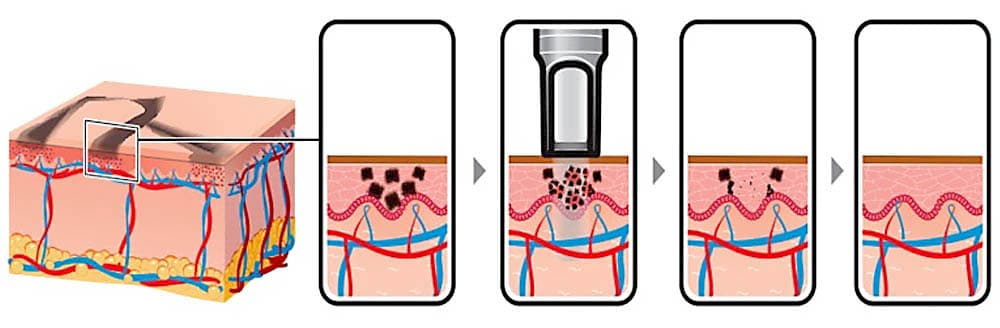
Picosecond lasers rely primarily on photomechanical or photoacoustic effects. Simply put, rather than “burning away” the pigment, they use high-energy pulses delivered over an extremely short duration to rapidly shatter pigment particles. This mechanism is particularly appealing for treating pigmentation and tattoos; the finer the pigment particles, the more easily the body can metabolize them, theoretically leading to greater treatment efficiency.
Thermal Impact
A key advantage of picosecond lasers is their reduced thermal impact. Because the pulse duration is so short, a smaller proportion of the laser energy converts into heat, thereby lowering the risk of thermal damage to surrounding tissues. This is why picosecond technology is often associated with being gentler, more high-end, and better suited for Asian skin tones. ### Pigment Particle Size
Picosecond lasers are generally capable of shattering pigment into finer particles; this advantage of extreme fragmentation is particularly significant for tattoo removal and the treatment of stubborn pigmentation. Smaller pigment particles typically place less of a clearance burden on the body, making it easier to achieve superior aesthetic results. For many clinics aiming to enhance treatment outcomes and client satisfaction, this capability is a core selling point of picosecond technology.
Comfort and Recovery Time
Compared to traditional Q-switched lasers, picosecond lasers generally offer greater patient comfort and shorter recovery times. Clinical data indicate that because picosecond lasers generate less thermal impact, post-treatment side effects—such as redness, heat sensation, and irritation—are usually milder.
Wavelengths
“Picosecond laser” refers to a technology platform rather than a single wavelength; common wavelengths include 755nm, 1064nm, and 532nm. Different wavelengths target specific conditions:
1064nm is better suited for deep-seated pigment and darker skin tones;
755nm is frequently used for melanin-related treatments;
532nm is ideal for superficial pigmentation.
This variety of wavelengths offers greater flexibility in treatment options compared to traditional devices.
Typical Applications
Picosecond lasers are commonly used for tattoo removal, pigmentation issues, melasma, acne marks, skin texture improvement, and the treatment of fine lines. For many clinics, the picosecond laser is not merely a “spot-removal device” but a tool for high-value treatments. From a marketing perspective, keywords such as “picosecond laser for melasma” and “picosecond laser tattoo removal” are highly effective at attracting clients with specific treatment needs.
Target Audience (Buyers)
A picosecond laser is an ideal choice if your clients seek premium treatments, prioritize the treatment experience, desire superior pigment fragmentation results, and if you wish to increase the average transaction value through equipment upgrades. Clinics that already possess basic Q-switched devices and are looking to upgrade their technology platform often show particular interest in picosecond systems. For clinics or medical aesthetic centers aiming to differentiate themselves and build a high-end brand image, picosecond lasers offer significant market appeal.

IV. Comparison: Q-Switched Nd: YAG vs. Picosecond Laser
| Comparison Dimension | Q-Switched Nd: YAG | Picosecond Laser |
|---|---|---|
| Technology Level | Tattoos, melasma, pigmentation, and skin texture improvement. | Picosecond-range ultrashort pulse technology platform. |
| Pulse Duration | Nanosecond range. | Picosecond range. |
| Mechanism of Action | Selective photothermolysis + photomechanical action. | Primarily photomechanical/photoacoustic effects. |
| Thermal Impact | Relatively more significant. | Relatively minimal. |
| Pigment Fragmentation | Effective, but particles remain relatively larger. | Finer fragmentation; facilitates easier metabolic clearance. |
| Comfort Level | Mature and stable, but the experience is generally more traditional. | Usually gentler; recovery is generally more comfortable. |
| Wavelengths | Commonly 1064nm, 532nm. | Commonly 755nm, 1064nm, 532nm. |
| Primary Uses | Pigmented spots, eyebrow tattoos, body tattoos, basic pigmentation treatments. | Tattoos, melasma, pigmentation, skin texture improvement. |
| Price Point | Usually entry-level or mid-range. | Usually mid-to-high or high-end. |
| Market Positioning | Equipment for basic treatment services. | Equipment for upgraded or high-end treatment services. |
V. How to Choose?
If your clientele is interested in basic pigmentation treatments, has a limited budget, and prioritizes machine stability, durability, and clear service offerings, then the Q-Switched Nd: YAG is recommended. It is suitable for entry-level laser pigmentation removal services and for clinics looking to quickly establish a service portfolio.
If your clientele prioritizes technological upgrades, the treatment experience, premium pricing potential, and competitive differentiation, then the picosecond laser is recommended. High-profile treatments—such as picosecond laser tattoo removal and picosecond laser treatment for melasma—make it easier to establish a high-end brand image.
When considering these two types of equipment from a purchasing perspective, the choice can be simplified as follows:
- To build a “foundational service base,” choose the Q-Switched Nd: YAG. – If you are looking for a “premium-grade” system, choose a picosecond laser.
VI. Regarding the price of picosecond laser machines
When many customers search for the price of a picosecond laser machine, what they are truly concerned about is not just the cost itself, but whether the machine offers value commensurate with that price. Generally speaking, picosecond devices—due to their technology…