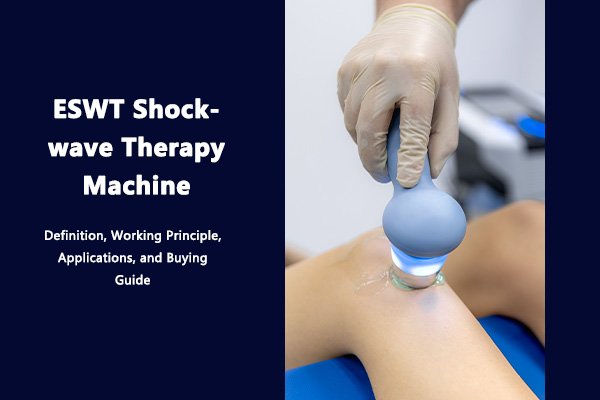
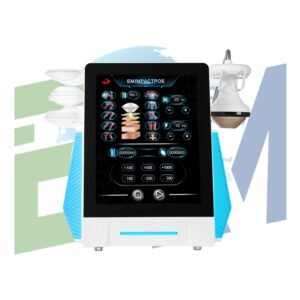
ESWT is the abbreviation of Extracorporeal Shock Wave Therapy, a treatment method that uses acoustic shock waves generated outside the body and delivered into targeted tissue. The therapy works by creating controlled mechanical stimulation, which may promote blood circulation, tissue repair, and pain relief at the treatment site.
An ESWT shockwave therapy machine is the device used to generate and deliver these shock waves. Depending on the technology and treatment purpose, an ESWT system can be used in rehabilitation clinics, physiotherapy centers, pain management departments, orthopedics, sports medicine practices, and selected men’s health applications.
What are ESWT devices and ESWT Equipment
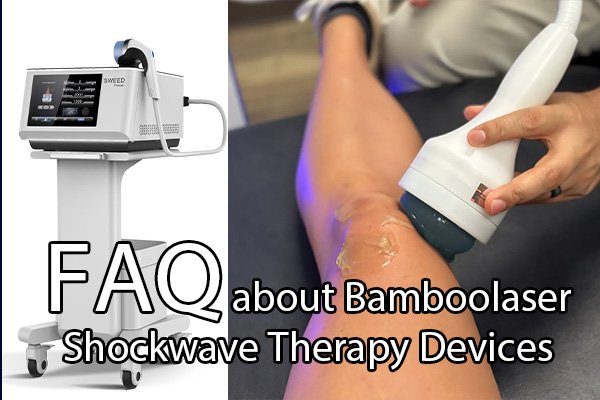
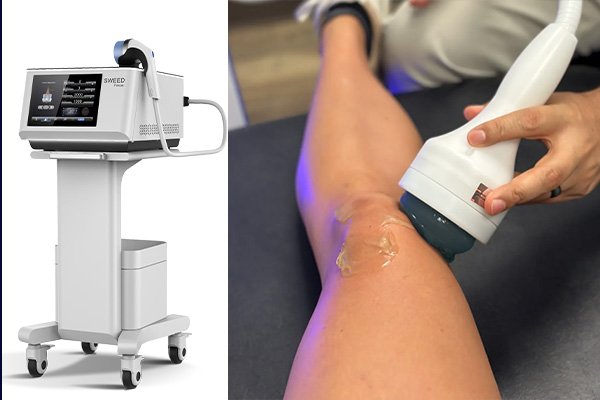
An ESWT device and ESWT equipment generally refer to the machine system that applies the shockwave therapy principle in clinical use. The equipment converts electrical or mechanical energy into shock waves, then delivers them through a handpiece or treatment head to the target area.
In practical use, ESWT equipment is commonly applied to conditions such as chronic soft tissue pain, tendon injuries, plantar fasciitis, muscle tightness, and other musculoskeletal disorders. Some devices are also used in urology or men’s health settings, depending on the treatment protocol and machine configuration.
The main advantage of this type of equipment is that it offers a non-invasive way to stimulate tissue response without surgery or medication. For this reason, it is often selected by clinics that want to expand their rehabilitation or regenerative treatment options.
How ESWT Works
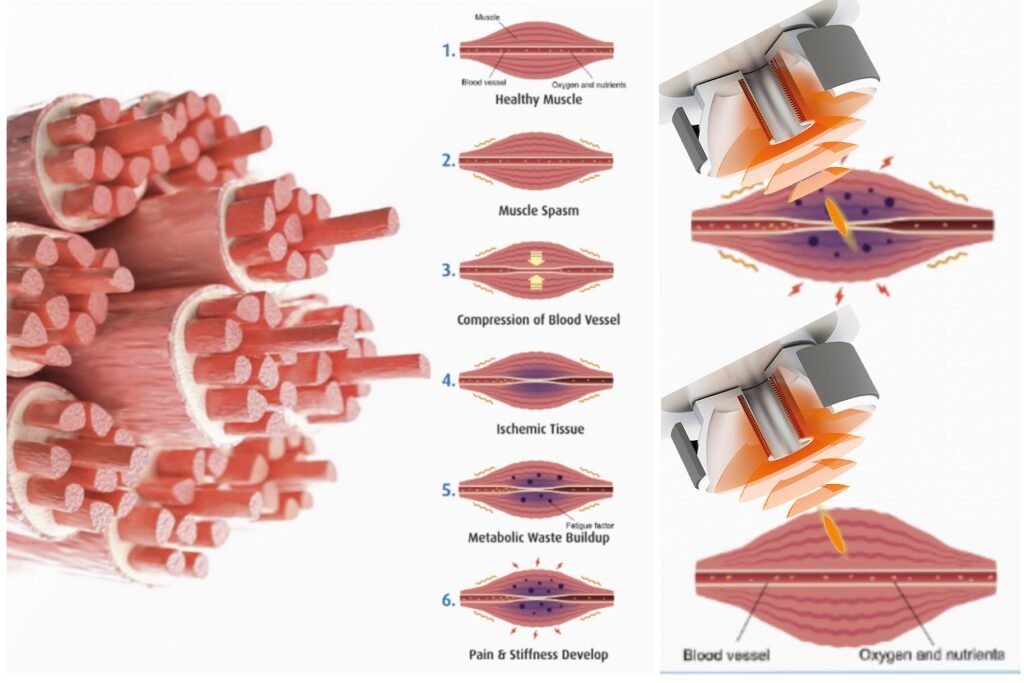
The working principle of an extracorporeal shock wave therapy ESWT machine is based on the generation of acoustic pressure waves outside the body. These waves are then transmitted into tissue through a coupling medium, allowing energy to reach the treatment area with controlled intensity and depth.
The therapeutic effect depends on several factors, including energy output, frequency, pulse count, and the focusing method. When the machine delivers shock waves to the body, the local mechanical stimulation may encourage microcirculation, activate cellular signaling, and support tissue regeneration.
In clinical terms, this means ESWT is not designed to mask symptoms simply. Instead, it is often used to support recovery processes in tissues that have poor blood supply, chronic inflammation, or repetitive strain.
RSWT vs ESWT
A common question in the market is the difference between RSWT vs ESWT. RSWT stands for radial shock wave therapy, while ESWT usually refers to focused extracorporeal shock wave therapy.
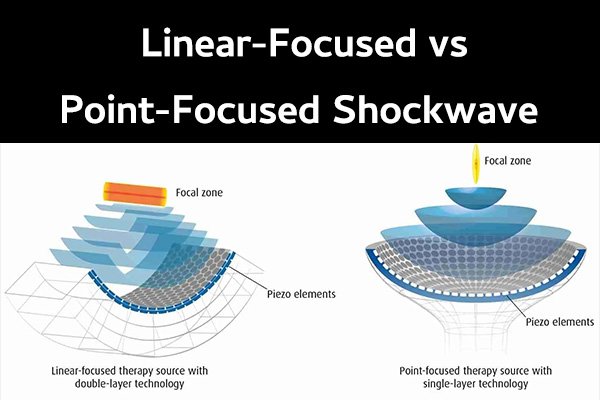
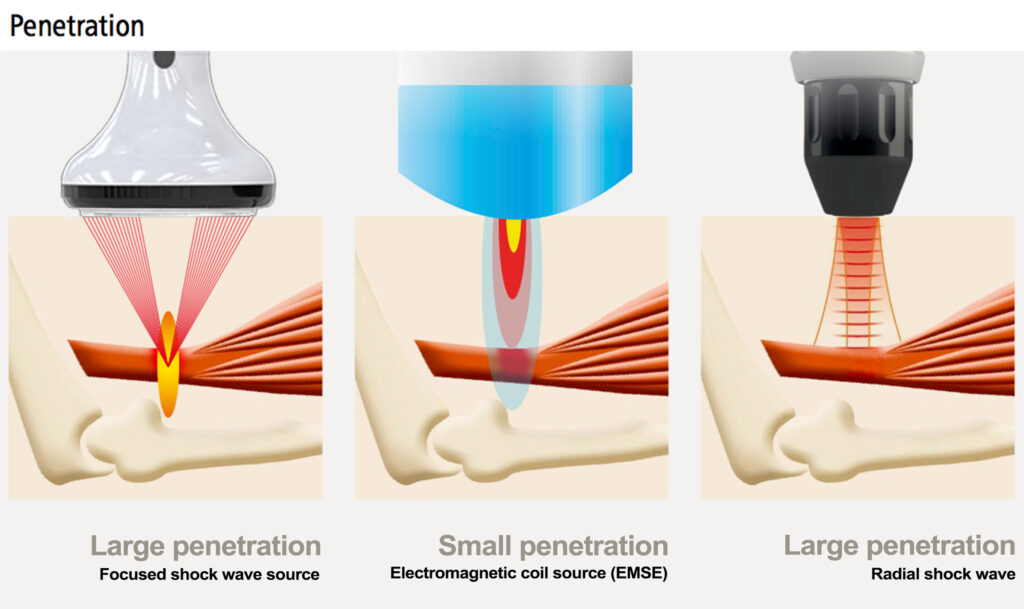
The key difference is how the energy is delivered. Radial shock waves spread outward in a wider pattern and are generally more superficial. ESWT, especially focused ESWT, concentrates energy at a specific depth, which makes it more suitable for deeper structures.
| Comparison Point | RSWT | ESWT |
|---|---|---|
| Energy pattern | Radial and dispersed | Focused and concentrated |
| Penetration depth | Shallower | Deeper |
| Clinical use | Surface-level or broader soft tissue treatment | Deeper tissue and more targeted treatment |
| Treatment precision | Lower | Higher |
| Typical procurement choice | General rehabilitation use | Precision-focused clinical use |
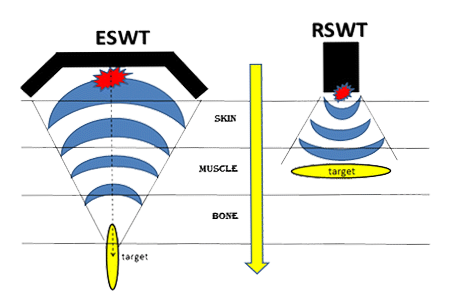
For buyers, this comparison matters because the treatment target determines the right machine type. A clinic treating common musculoskeletal pain may prefer one type, while a clinic needing deeper and more specific delivery may require another.
Clinical Applications
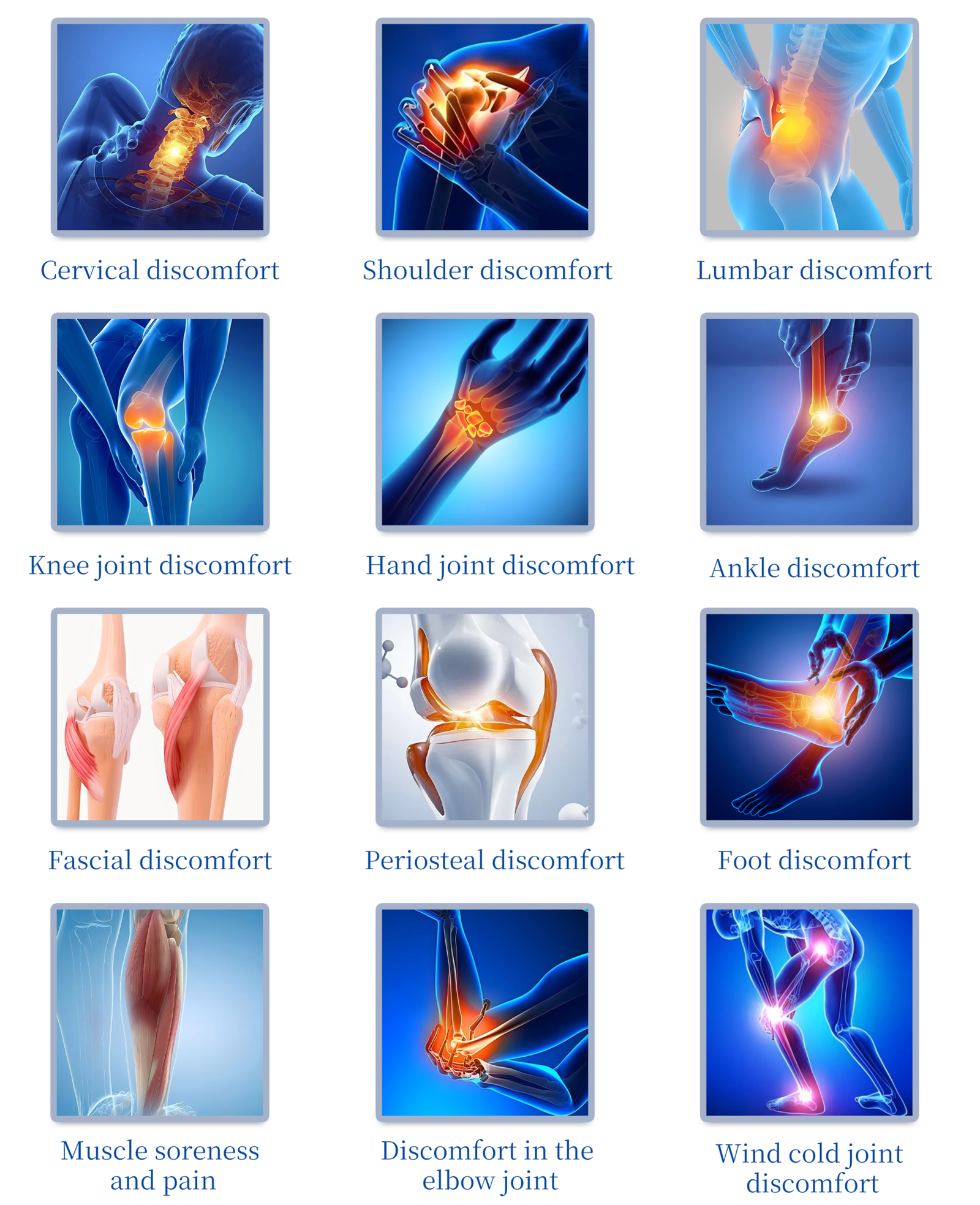
ESWT is used in several clinical fields, primarily in rehabilitation, pain management, and sports medicine. In musculoskeletal practice, it is commonly applied to conditions such as plantar fasciitis, Achilles tendinopathy, lateral epicondylitis, shoulder pain, and other chronic soft tissue disorders. These indications are often selected because ESWT provides focused mechanical stimulation that may support local circulation and tissue repair.
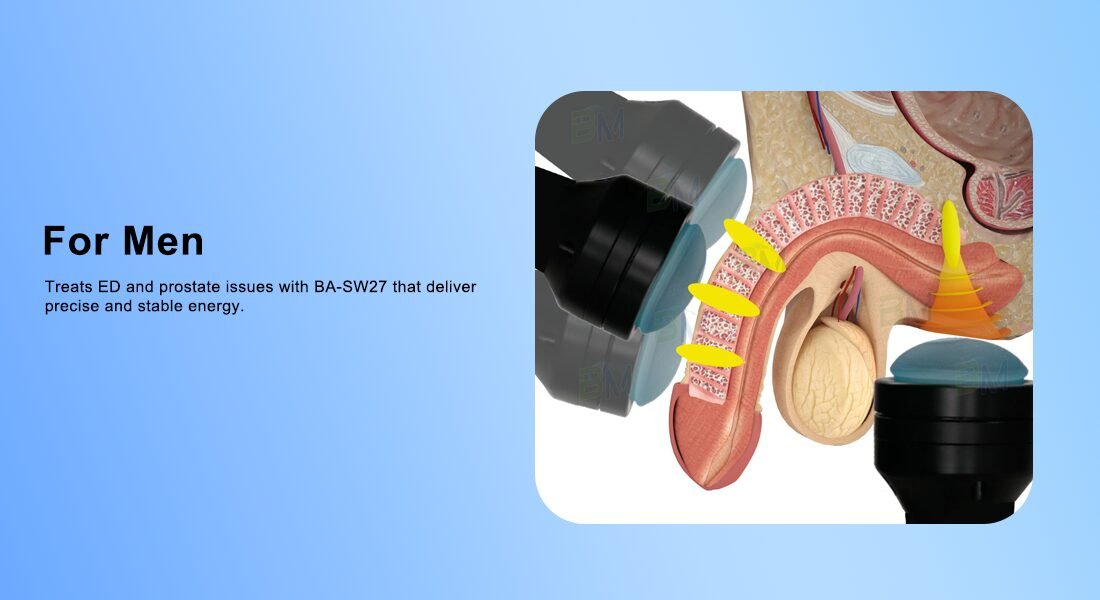
In men’s health, ESWT has also been studied as a potential non-invasive option for erectile dysfunction (ED), particularly in patients with a vascular component. The treatment is designed to deliver low-intensity acoustic energy to penile tissue, with the aim of stimulating microcirculation and supporting endothelial function. From a clinical perspective, this approach is different from symptomatic therapies because it is intended to address one of the underlying physiological mechanisms associated with ED.
For this reason, ED has become an important application area in the ESWT field. In practice, clinicians may consider ESWT for patients who are seeking a non-surgical option and who may benefit from a regenerative approach rather than a temporary performance-based solution. However, treatment suitability should still be assessed based on the patient’s overall condition, etiology of ED, and clinical protocol.
Procurement Decisions
When evaluating an ESWT machine, the main question should be whether the device matches the intended clinical use. Not every ESWT shockwave therapy machine is built for the same treatment depth, indication range, or operating workflow.
Important selection factors include:
- Energy output, because it affects treatment intensity and penetration.
- Frequency range, because it influences treatment speed and comfort.
- Applicator design, because handpiece structure affects usability.
- Indication range, because different machines fit different clinical needs.
- After-sales support, because training and maintenance affect long-term use.
If the goal is general rehabilitation, a broader treatment platform may be sufficient. If the goal is deeper and more targeted therapy, a more precise ESWT system is usually the better choice. For that reason, buyers should evaluate the machine based on real clinical workflow rather than marketing language alone.
Price and Cost
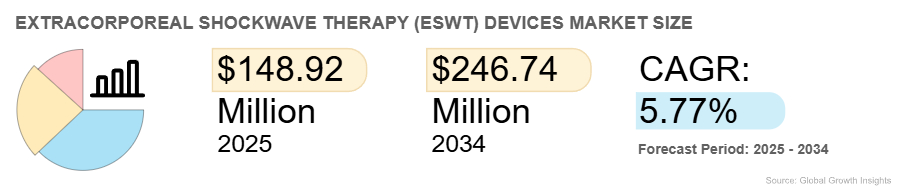
The ESWT machine price is influenced by the machine’s core technology, output power, precision level, and accessory configuration. The ESWT machine cost may also vary depending on whether the supplier is a manufacturer, distributor, or trading company.
Other factors that can affect price include:
- Number of handpieces or treatment heads.
- Type of shock wave generation.
- Certification and compliance level.
- Warranty and service support.
- OEM or custom configuration options.
It is usually better to compare the total value rather than the price alone. A lower-cost machine may seem attractive at first, but if it lacks durability, support, or treatment flexibility, the long-term cost may actually be higher.
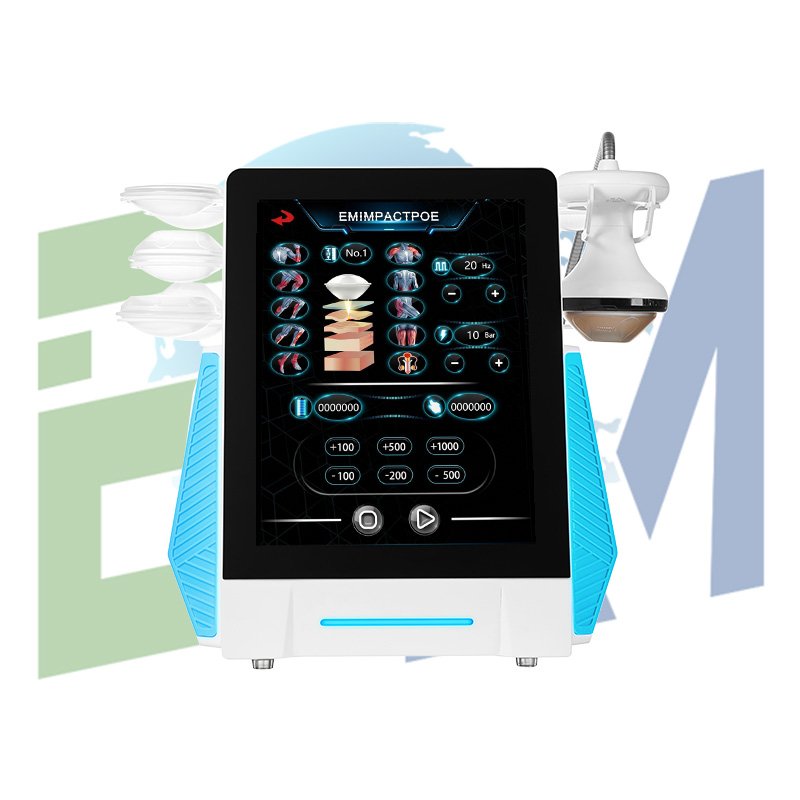
BA-SW25:Focused Shockwave Machine
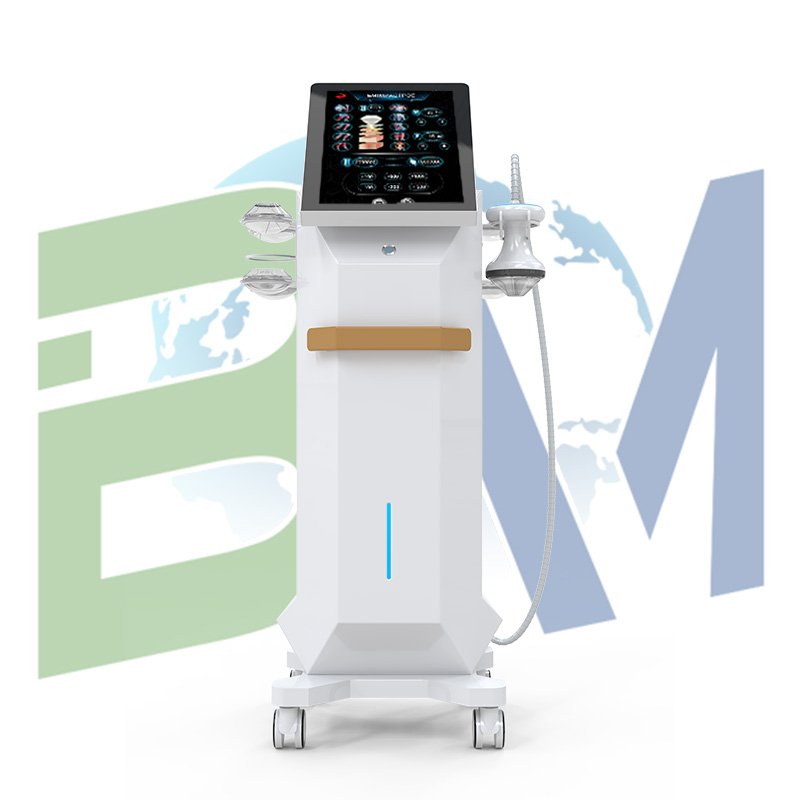
BA-SW26: Vertical Focused Shockwave Machine
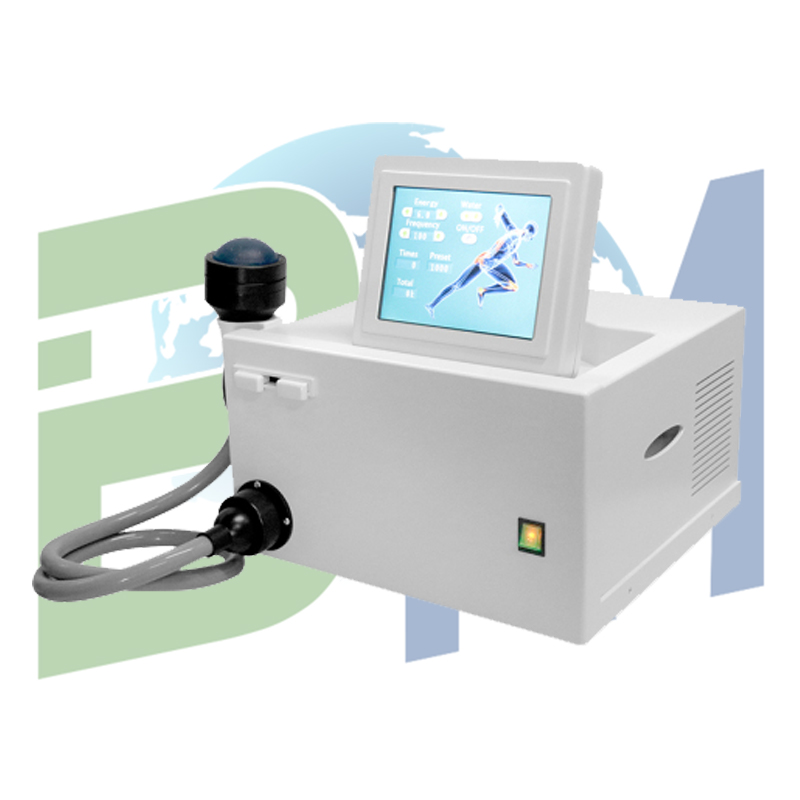
BA-SW27: Focused Shockwave Machine
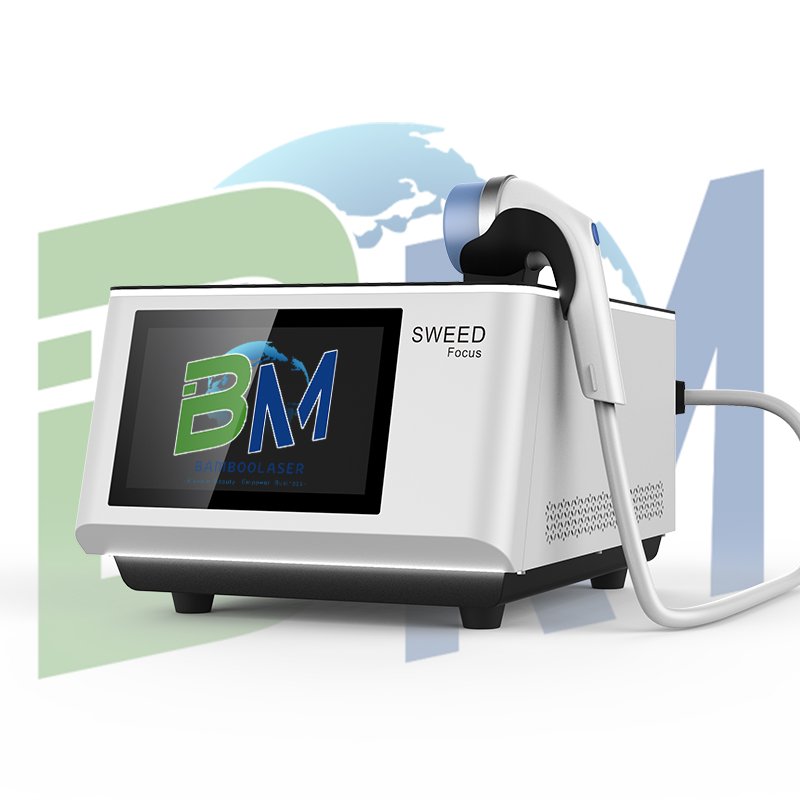
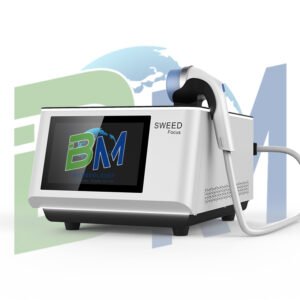
BA-SW30: SWEED Focused Shockwave Therapy Machine
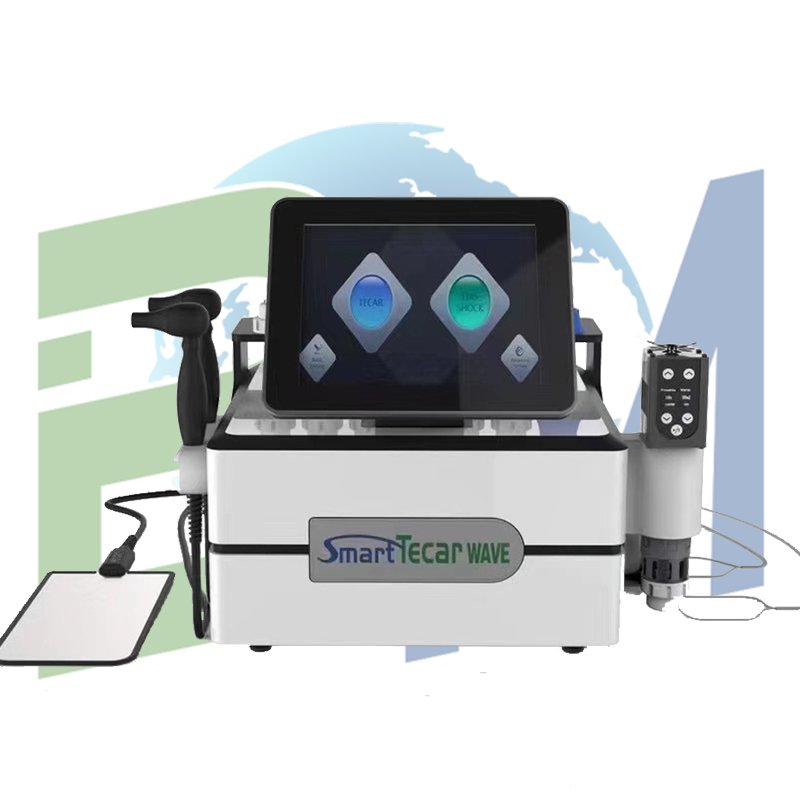
BA-SW32: 3 in 1 Smart Tecar Shock Wave and EMS Machine
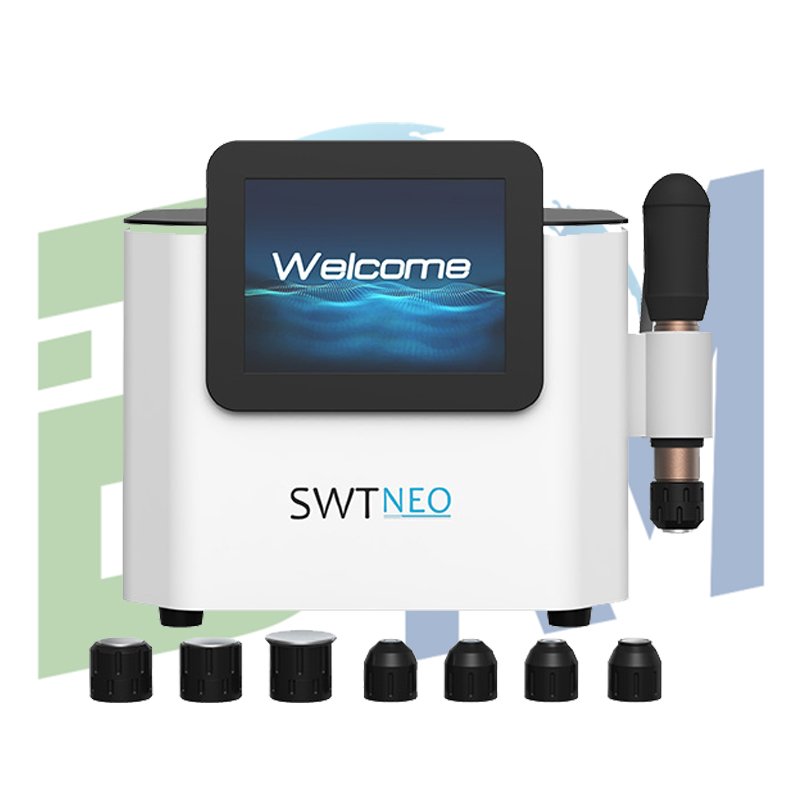
BA-SW36 Pneumatic Shockwave Machine
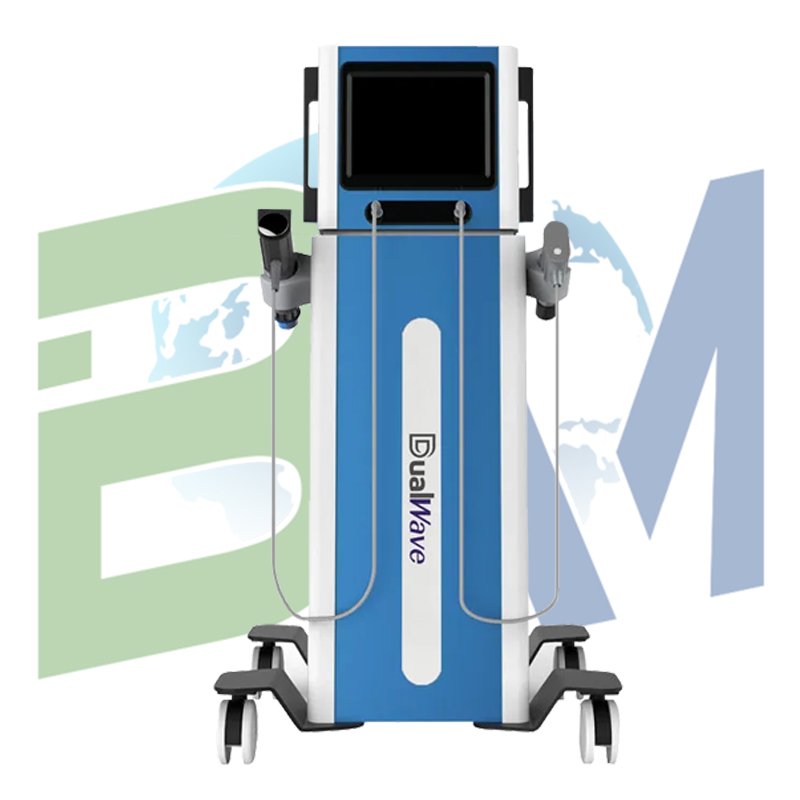
BA-SW35: Electromagnetic & Pneumatic Shockwave Equipment