A Complete Treatment Planning Guide for Different Skin Concerns
1. Introduction: Why Microneedling Treatment Frequency Matters
There is no single answer to “how often should you get microneedling?” For many concerns, published studies and clinical references commonly use intervals of around 4 to 6 weeks between sessions, but this is a discussion range, not a rule. The right interval depends on the client’s skin concern, treatment goal, device type, needle depth, and how well the skin recovers.
This guide is written for beauty clinic owners, aesthetic practitioners, medical spas, dermatology clinics, and professional skincare centers. It moves from the basics of how microneedling works, through client assessment and treatment planning, to device selection, so that clinics can build personalized plans instead of applying one schedule to every client.
Why One Microneedling Schedule Does Not Fit Everyone
Microneedling works by creating controlled micro-injuries, and the skin needs time to heal and rebuild before the next session. Healing speed varies with skin type, age, sensitivity, scar type, and the depth and intensity of the treatment. Booking a second session too early may add irritation without adding benefit, while waiting too long may slow progress toward the client’s goal.
How Skin Concerns and Treatment Goals Affect Session Frequency
A client with atrophic acne scars may need a longer course than a client seeking general texture refinement. Fine lines, enlarged pores, and stretch marks each respond differently, and the evidence behind each concern is not equally strong. Frequency should be set per concern and per client, and reviewed as results develop.
What Clinics Should Consider When Planning Microneedling Treatments
When building a plan, clinics should consider:
- The client’s skin assessment, history, and any reason to postpone treatment
- The primary concern and a realistic treatment goal
- The device in use, its authorized indications, and the manufacturer’s instructions
- Needle depth and treatment intensity
- How the skin recovered after the previous session
The sections below treat each of these in turn.
2. What Is Microneedling and How Does It Work?
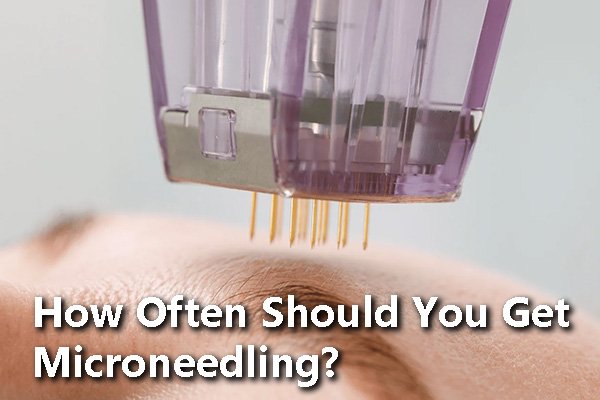
Microneedling is a procedure in which fine needles repeatedly puncture the skin to create many tiny channels. The FDA describes microneedling devices as creating many small puncture holes in the skin by moving over the skin repeatedly. The body treats these micro-injuries as a signal to repair, which is the basis of the treatment.
Understanding the Microneedling Procedure
A typical session involves cleansing the skin, applying a topical anesthetic if appropriate, passing the needling device over the treatment area, and applying soothing, non-irritating aftercare. In regulated markets, devices use sterile, single-use needle cartridges. The FDA states that re-using a needle cartridge is unsafe, even if it has been cleaned.
How Microneedles Stimulate the Skin’s Natural Healing Response
Each needle passage creates a controlled wound. The skin responds in overlapping phases: inflammation, new tissue formation, and remodeling. Redness and mild swelling in the first days reflect this response, and the remodeling phase continues for weeks.
Collagen and Elastin Production During Skin Remodeling
During remodeling, fibroblasts produce new collagen and elastin. This is why visible improvement is usually gradual and why practitioners plan courses of sessions spaced out in time. Giving the skin time to complete a repair cycle before re-injuring it is the core reason treatment intervals exist.
Different Types of Microneedling Technology
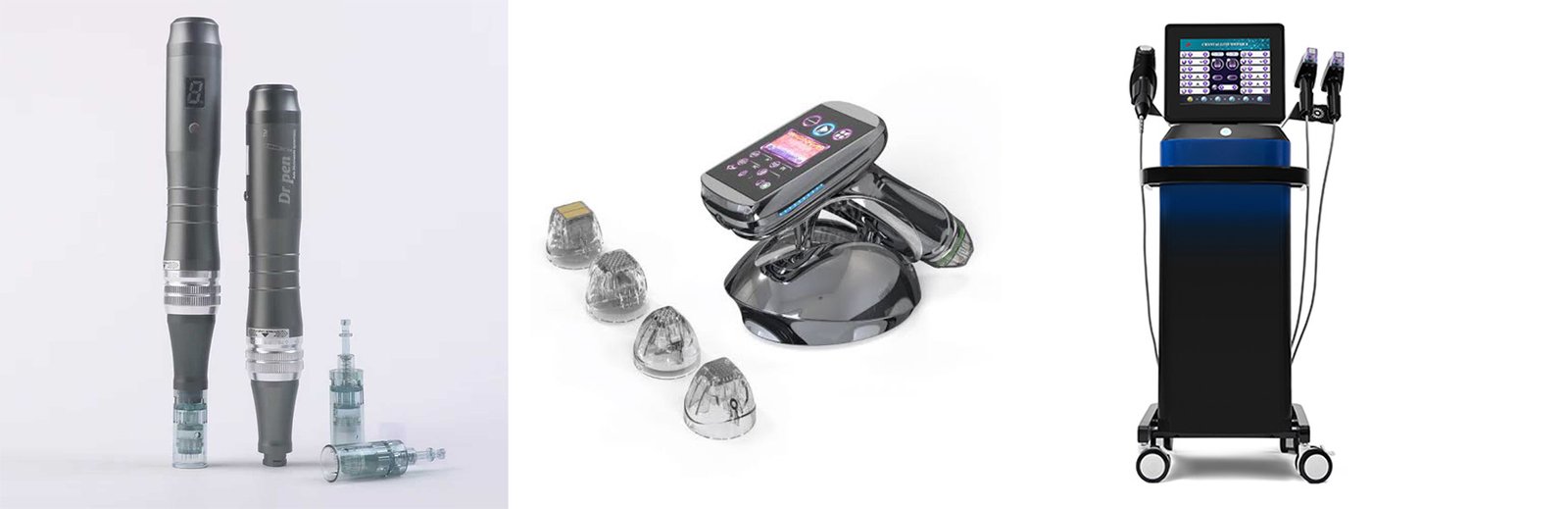
Clinics will meet three broad technology types. They are not interchangeable.
- Manual microneedling: hand-operated tools such as rollers or stamps. Depth and speed depend heavily on operator technique.
- Motorized microneedling: powered pens or machines in which needles move in a vertical motion at a set speed and an adjustable depth, typically with a disposable cartridge.
- Radiofrequency (RF) microneedling: needle electrodes enter the skin and release RF energy in the tissue, adding a thermal effect.
What Happens to the Skin After a Microneedling Session?
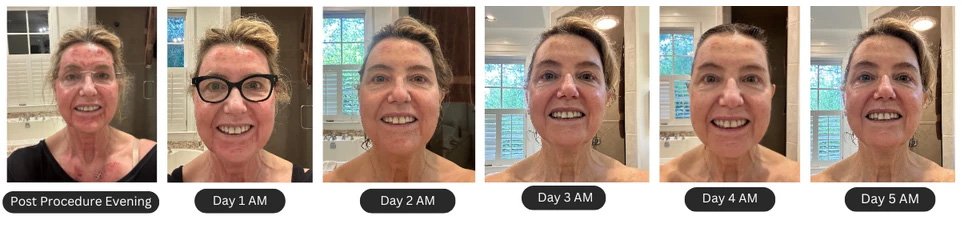
Immediately after treatment, redness is common, along with mild swelling, tightness, and dryness. The FDA lists dryness, rough skin, tightness, and redness among the common risks of authorized uses. In the acne scar literature, redness and swelling generally resolve within a few days. Deeper or more intense treatment may take longer to settle. The recovery pattern after each session is one of the most useful signals for deciding when to treat again.
3. What Skin Concerns Can Microneedling Help Address?
Microneedling is used for several concerns, but the strength of evidence differs between them. In the United States, the FDA has authorized microneedling devices to improve the appearance of facial acne scars, facial wrinkles, and abdominal scars in patients aged 22 or older.
Acne Scars and Uneven Skin Texture
Atrophic acne scarring is the concern with the most published research. A literature review of 19 articles concluded there is moderate evidence that skin needling is beneficial and safe for acne scarring, and called for double-blind randomized trials for firmer conclusions. Results depend on scar type and severity, and mixed scar types are common.
Fine Lines and Wrinkles
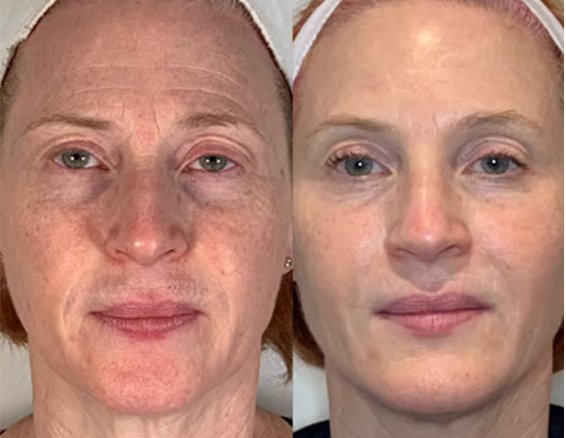
Microneedling can improve the appearance of fine lines and some facial wrinkles by stimulating collagen remodeling. Results are generally modest and gradual. Deep static wrinkles and significant sagging usually need other approaches.
Enlarged Pores
Clients often present with enlarged pores, and improved texture can make pores look smaller. Evidence is thinner than for acne scars, so outcomes should be discussed as possible improvement rather than a guaranteed reduction. Oily or acne-prone skin needs careful screening, since active acne is a reason to postpone treatment.
Uneven Skin Tone and Certain Pigmentation Concerns
Microneedling is sometimes used for uneven tone and certain pigmentation concerns, but it is not a definitive treatment for all pigment problems. Skin that is injured can also develop post-inflammatory hyperpigmentation, which has been reported after microneedling in some studies.
Skin Laxity and Signs of Skin Aging
Standard microneedling can improve skin quality and texture in early aging. It should not be presented as a replacement for energy-based tightening or surgical lifting in moderate to significant laxity.
Stretch Marks and Certain Body Scars
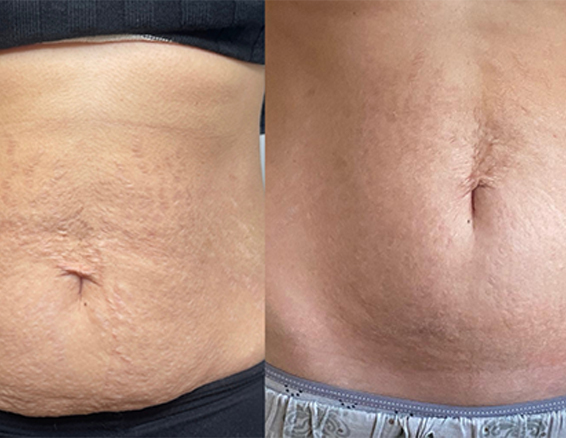
Microneedling is used on stretch marks, certain body scars, and abdominal scars. Body areas have thicker skin and different healing, so results and intervals can differ from facial treatment, and long courses may be needed. Expectations should be modest and individualized.


4. Who Is a Good Candidate for Microneedling?
A good candidate is an adult with healthy, intact skin in the treatment area, a concern that microneedling is suited to, and realistic expectations about gradual results. Candidacy is decided at consultation, not by age or skin type alone.
Clients with Atrophic Acne Scars
Clients with healed, atrophic (depressed) scars are the most established candidates. Active breakouts must be settled first, and scar type and severity should be assessed because they shape the course length.
Clients with Fine Lines and Early Signs of Aging
Clients with fine lines, early texture changes, and mild loss of radiance often respond well to a series of gentle sessions, particularly when they value gradual improvement and low downtime.
Clients with Enlarged Pores and Uneven Texture
Clients with rough texture and visible pores may benefit from improved skin quality. Oiliness and acne tendency should be assessed, and the client should understand that results vary.
Clients Seeking Overall Skin Texture Improvement
Clients who want smoother, more even skin, and who are willing to follow a course and aftercare plan, are generally suitable when no contraindication is found.
How Skin Type, Skin Condition, and Treatment Goals Affect Candidacy
Several factors change how a client should be treated, or whether to treat at all:
- Skin type and pigmentation tendency: some device authorizations limit use to certain Fitzpatrick skin types for specific indications, so check the device labeling. Clients who tan easily or are prone to dark marks need extra caution.
- Skin condition: sensitive or reactive skin may need gentler settings and longer intervals.
- Goals: if the goal is beyond what microneedling does well, such as significant sagging, refer to or discuss other options.
- Age: FDA authorizations for microneedling devices refer to patients aged 22 or older.
5. Who Should Avoid Microneedling or Postpone Treatment?
Pre-treatment screening is the most important safety step. Some conditions are reasons to postpone until the skin has healed. Others are reasons not to treat, or to ask a medical professional to assess the client first.
Clients with Active Inflammatory Acne
Active inflammatory acne is a common reason to postpone. Needling inflamed skin may aggravate it, and in one set of studies a small share of patients developed new acne lesions after treatment. Treat the area only once the flare has settled.
Clients with Active Skin Infections or Cold Sores
Do not treat over active bacterial, viral, or fungal infections. Needling can trigger a cold sore outbreak in people with a history of herpes simplex, so ask about it at consultation and involve a medical provider about preventive options.
Clients with Eczema, Psoriasis, or Active Skin Irritation
Inflammatory skin conditions such as eczema, psoriasis, and rosacea, as well as sunburn or irritated skin, are reasons to postpone treatment of the affected area until the condition is controlled.
Clients with a History of Keloid Scarring or Poor Wound Healing
A history of keloids or abnormal scarring is generally a reason to avoid treatment. Poor wound healing, for example in some chronic conditions, also calls for medical advice first.
Clients with Certain Immune or Bleeding Disorders
Immunosuppression, blood clotting or bleeding disorders, and some other systemic conditions are commonly listed contraindications. These clients need medical clearance, and many clinics decline to treat them.
Clients Taking Medications That May Affect Healing
Blood thinners, some anti-inflammatory medicines, isotretinoin, and other medicines can affect bleeding and healing. Practice differs by provider, so record all medications and follow the device guidance and the prescriber’s advice. Do not tell a client to stop a prescribed medication yourself.
When a Professional Medical Assessment Is Necessary
A medical assessment should be sought when a client has an unclear skin lesion, a possible skin cancer in the area, an unusual scar history, a chronic illness, a pregnancy or breastfeeding status that is uncertain, or any condition outside the clinic’s scope. If in doubt, postpone treatment and refer. Many sources also advise against treating pregnant or nursing clients.
6. How Often Should You Get Microneedling for Different Skin Concerns?
For most facial concerns, the interval commonly discussed is around 4 to 6 weeks. Studies on acne scarring used intervals of about one month in many protocols, with some using longer gaps such as two months, and no study established a single best schedule. The table below is a planning reference drawn from this literature, not a prescription for every client or device.
| Skin Concern | Typical Treatment Course | Interval Reference | Key Considerations |
|---|---|---|---|
| Atrophic acne scars | Multiple sessions | Around 4–6 weeks | Scar type, depth, and skin recovery |
| Fine lines & wrinkles | Multiple sessions | Around 4–6 weeks | Treatment area and skin condition |
| Enlarged pores | Individualized course | Around 4 weeks or longer | Oiliness and texture concerns |
| Uneven skin texture | Multiple sessions | Around 4–6 weeks | Degree of surface irregularity |
| Skin rejuvenation | Individualized course | Around 4–6 weeks | Treatment intensity and maintenance goals |
| Stretch marks | Multiple sessions | Around 4–6 weeks or longer | Body area and scar characteristics |
The 4–6 week range is a common reference point for discussion. It does not apply equally to all indications or all devices, and evidence is strongest for acne scars and weaker for the other concerns.
Three Numbers That Should Not Be Mixed Up
- Treatment interval: the time between two sessions.
- Treatment course: how many sessions complete an initial phase of treatment.
- Maintenance schedule: whether and when to reassess and treat again after the course is finished.
A plan that says “every 4 weeks” has set only the interval. Clinics should record all three for each client.
Microneedling Schedule for Acne Scars
In the acne scar literature, protocols commonly used about 3 to 5 sessions about a month apart. Reviews describe course lengths ranging from 1–4 sessions to 6–8 sessions depending on scar subtype, severity, and the age of the scars. Skin recovery and scar response should guide whether to continue, adjust, or stop.
Plan focus: scar type and severity, healing between sessions, photo comparison at each visit.

Microneedling Schedule for Fine Lines and Wrinkles
A course of several sessions at about 4 to 6 week intervals is a common reference. Visible change builds gradually, so clinics should reassess after the initial course before adding sessions.
Plan focus: treatment area (eye and neck skin is thinner and more sensitive), baseline photos, maintenance goals.
Microneedling Schedule for Enlarged Pores
Because oily and acne-prone skin can react to over-frequent treatment, an interval of around 4 weeks or longer, set individually, is a reasonable starting point for discussion. Excess treatment may worsen inflammation or breakouts.
Plan focus: oiliness, active acne screening, gentle intensity.
Microneedling Schedule for Uneven Skin Texture
Surface irregularity from mild scarring, photoaging, or roughness is typically addressed with multiple sessions at about 4 to 6 week intervals. The degree of irregularity affects how many sessions are reasonable to propose.
Plan focus: degree of irregularity, realistic expectations, recovery response.

Microneedling Schedule for Skin Rejuvenation
General rejuvenation courses are individualized. A common pattern is an initial course at about 4 to 6 week intervals, followed by reassessment and an agreed maintenance plan if the client wants to continue.
Plan focus: treatment intensity, maintenance goals, sun protection and skincare routine.
Microneedling Schedule for Stretch Marks and Body Scars
Body skin is thicker and may heal differently, so intervals of 4 to 6 weeks or longer and extended courses are possible. Evidence is limited and results vary by scar age, color, and location.
Plan focus: body area, scar characteristics, device authorization for the treated site.
When Should Clinics Reassess Treatment Results?
Reassess at every visit before treating again by checking redness, dryness, swelling, and sensitivity, and compare standardized photos at set points, for example after the first few sessions and at the end of the course. If the skin has not recovered, postpone the next session.
7. How to Create a Personalized Microneedling Treatment Plan for Each Client
The schedules in Section 6 become useful when turned into a repeatable process. Each client plan follows six steps, and every step should be documented in the client record.
Step 1 – Conduct a Skin Assessment
Review medical history, medications, scar history, and skin type, and examine the treatment area for active acne, infection, irritation, or lesions. Take standardized baseline photos. Apply the screening in Section 5, and postpone or refer when needed.
Step 2 – Identify the Primary Skin Concern
Agree one primary concern and one realistic goal with the client, for example improving atrophic acne scars on the cheeks. Several concerns at once make it harder to judge progress and to choose settings.
Step 3 – Select the Appropriate Needle Depth and Treatment Intensity
Choose depth and intensity according to the area, the concern, the client’s skin, and the device manufacturer’s instructions for use. Facial skin thickness varies across the face, so one depth is not appropriate for every area. This guide does not recommend specific depths, since these must follow the authorized use of the device and operator training.
Step 4 – Determine the Treatment Interval
Start from the reference range for the concern, then adjust for the intensity of the last session, the client’s healing speed, and the device guidance. A deeper or more intense session generally needs a longer interval before treating the same area again.
Step 5 – Monitor Skin Recovery and Treatment Progress
Ask clients to report redness, swelling, dryness, peeling, or unusual symptoms after each session, and check the skin before every new session. Document recovery time, comfort, and any reaction.
Step 6 – Adjust the Treatment Plan Based on Results
Compare photos with baseline, then decide to continue, lengthen the interval, change settings within the device’s authorized use, pause, or refer. Agree a maintenance plan only after the course is complete.
A Simple Treatment Plan Record
A one-page record keeps these decisions consistent between practitioners:
| Plan Element | What to Record |
|---|---|
| Client’s primary concern | One main concern in the client’s words |
| Initial skin assessment | History, skin type, screening result, baseline photos |
| Treatment objective | Realistic, measurable goal |
| Device and needle configuration | Device, cartridge, and settings used, per instructions for use |
| Session interval | Planned interval and reason for any change |
| Recovery assessment | Healing time, reactions, client feedback |
| Follow-up evaluation | Photo comparison and decision on next steps |
8. Microneedling Pen vs Handheld Microneedling Machine vs Professional Microneedling System
The three categories below are a practical way to compare equipment when buying. They are not an industry-standard grading of devices, and a device’s size or appearance says little about how well it performs or how safe it is. What matters are needle design, depth accuracy, sterility, stability, and regulatory status.
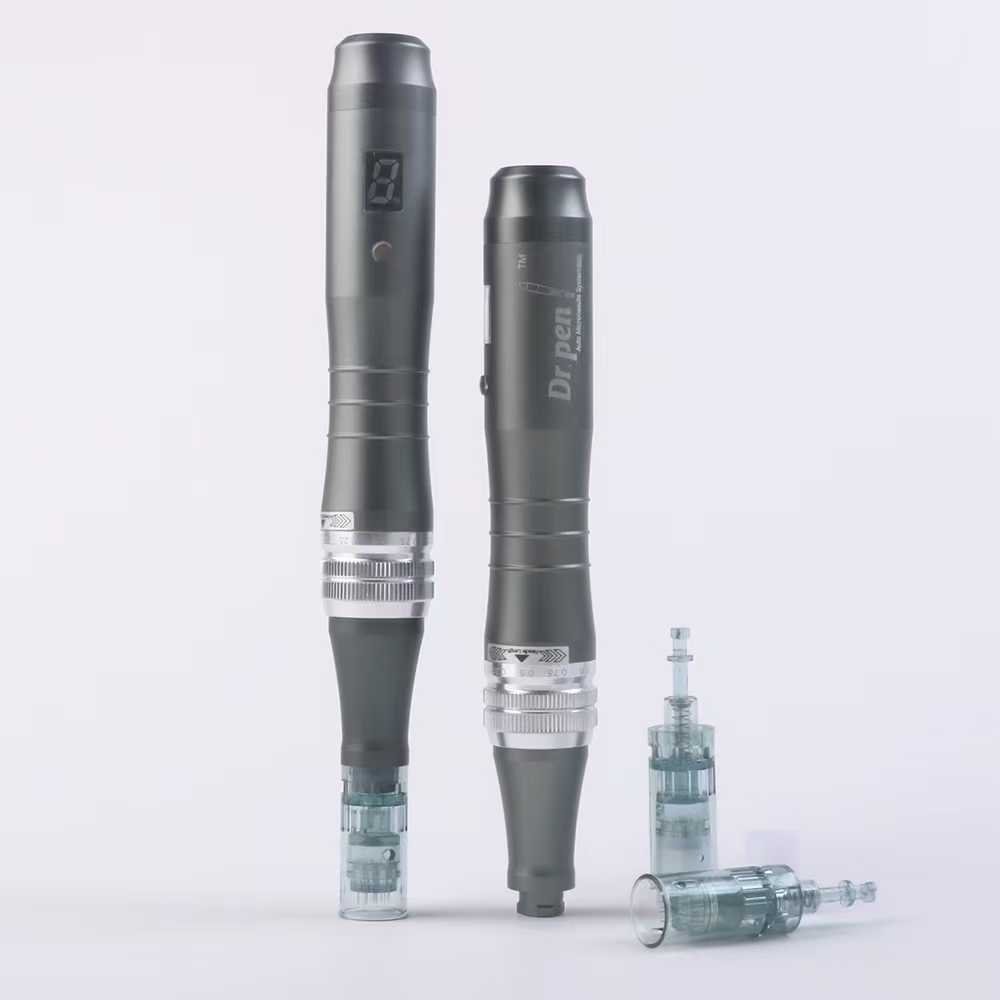
What Is a Microneedling Pen?
A microneedling pen is a compact, pen-shaped powered device that holds a disposable needle cartridge. It is easy to store and move, and suits clinics that want a relatively simple setup. Evaluate adjustable depth, speed, cartridge compatibility, and operating stability.
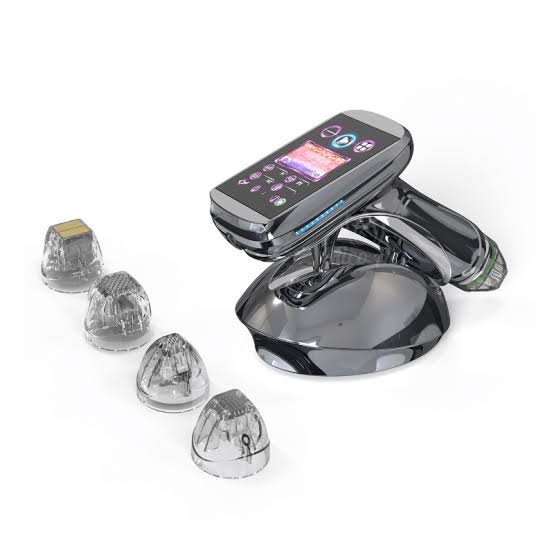
What Is a Handheld Microneedling Machine?
A handheld microneedling machine is designed for convenient operation and may offer more adjustment options depending on the model. Evaluate ergonomic design, speed control, and needle configuration. It suits clinics that value flexibility and efficiency in daily treatment.
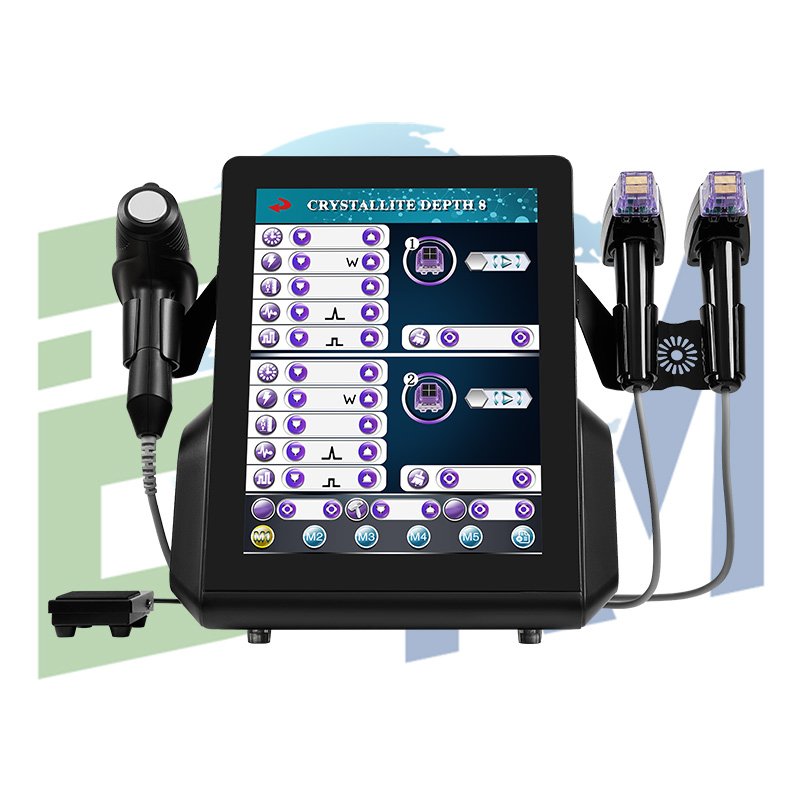
What Is a Professional Microneedling System?
A professional system may include a console, dedicated handpieces, and several configurations, and potentially more comprehensive parameter management. Evaluate treatment modes, consumables, maintenance, and training. It suits clinics planning a dedicated professional treatment program.


Key Differences in Needle Depth, Speed, Precision, and Treatment Control
| Evaluation Factor | Microneedling Pen | Handheld Machine | Professional System |
|---|---|---|---|
| Portability | High | High | High |
| Operation | Simple design | Simple design | easy Operate |
| Parameter adjustment | Model-dependent | Accurate control | Precise Control |
| Initial investment | Usually lower | Varies | Usually higher |
Which Type of Microneedling Device Is Suitable for Your Clinic?
Match the device to your services and team, not to its size:
- A clinic starting a basic microneedling service may prefer a simple, well-documented pen.
- A busy clinic that treats several concerns may value a handheld machine with more adjustment.
- A clinic building a dedicated program, with trained staff, may consider a full system.
Standard Microneedling vs RF Microneedling
These two should not be treated as the same technology.
- Standard microneedling creates micro-channels mechanically and triggers a repair response.
- RF microneedling releases radiofrequency energy from needle electrodes inside tissue, creating an added thermal effect.
For clinics, this means RF microneedling needs its own device guidance, operator training, consent language, and credentialing requirements. Treatment intervals for RF devices should follow the manufacturer’s instructions and the treating clinician’s judgment, and should not be borrowed from standard microneedling schedules.
9. How Does Your Microneedling Device Affect Treatment Frequency?
A more advanced microneedling device does not automatically mean shorter treatment intervals. Price and appearance do not set the interval. Six factors do:
- Needle penetration depth
- Treatment intensity
- Skin condition and sensitivity
- Healing and recovery response
- Treatment indication
- The device manufacturer’s instructions
The table shows what each device category adds to the planning discussion. It describes planning focus, not fixed intervals.
| Device Category | Treatment Planning Focus | Basis for Setting the Interval |
|---|---|---|
| Microneedling pen | Needle depth, speed, operating stability | Actual needle depth, treatment intensity, and recovery |
| Handheld device | Parameter adjustment, handpiece configuration, operating control | Device instructions and the treatment mode used |
| Professional system | Multiple configurations, treatment modes, parameter management | The specific handpiece, treatment mode, clinical protocol, and recovery assessment |
| RF microneedling | Needle depth, RF energy, and tissue heat response | Dedicated device guidance, thermal injury risk, and professional assessment |
Treatment Planning with a Basic Microneedling Pen
With a simpler pen, the main variables are the set needle depth, speed, and the operator’s technique. Plan around the actual depth used and watch recovery closely. Limited adjustability does not mean intervals can be shortened.
Treatment Planning with an Adjustable Handheld Microneedling Device
More adjustment options give more ways to tailor treatment to an area, but they also add more ways to over-treat. Follow the instructions for each mode, record the settings used, and base the next interval on how the skin responded.
Treatment Planning with a Professional Microneedling System
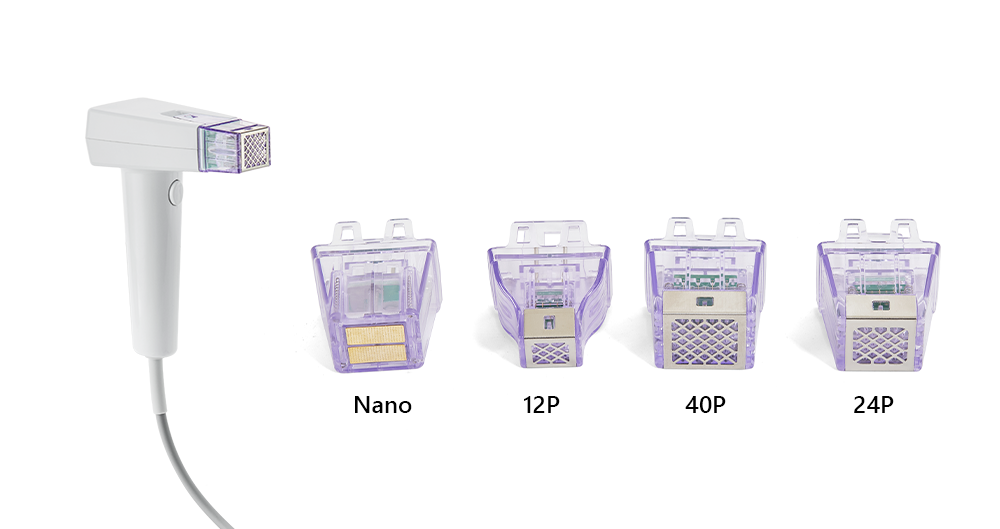
Systems with multiple handpieces and modes allow wider planning, such as different approaches for different areas. The interval should follow the specific handpiece, mode, and protocol, plus the client’s recovery. A broader parameter range calls for more training, not shorter gaps.
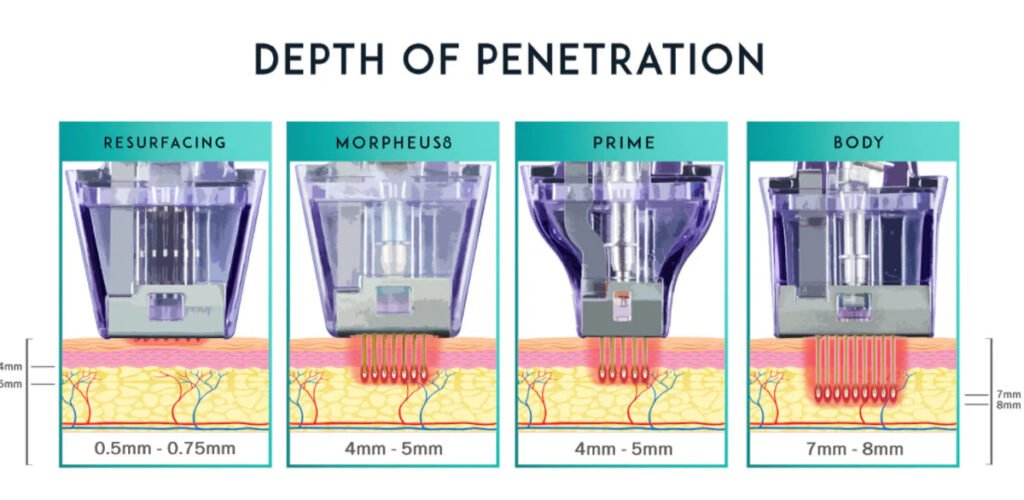
How Needle Depth and Treatment Intensity Affect Recovery Time
In general, deeper and more intense treatment causes more tissue response and may need more recovery time before the same area is treated again. One practitioner guide, for example, suggests at least four weeks between sessions when a deeper setting is used for scars or deeper wrinkles. Treat such figures as general guidance only. Actual recovery varies by client and device, and should be checked at each visit.
Putting It Together: A Decision Flow
- Assess the client’s skin and screen for reasons to postpone.
- Identify the primary skin concern.
- Select an appropriate device within its authorized use.
- Set the needle configuration and treatment parameters as the device instructions allow.
- Evaluate skin recovery after the session.
- Adjust the next treatment interval, and repeat the cycle.
10. How to Choose the Right Microneedling Machine for Your Clinic
Choose equipment by working backward from your services, staff, and market regulations. Price and appearance should come last.
Identify Your Clinic’s Main Treatment Services
List the concerns you expect to treat most, such as acne scars, texture, fine lines, or body scars, and the volume of clients per week. A clinic that mainly treats facial texture has different needs from one that adds body treatments.
Evaluate Needle Depth and Adjustment Range
Ask for the maximum penetration depth, the adjustment increments, and how depth accuracy is tested.
Check Needle Cartridge Quality and Sterility
Look for sterile, single-use cartridges with clear labeling, expiry dates, and sterilization method. Ask how the design prevents fluid from entering the handpiece, and whether a disposable protective sleeve is used. Any cartridge that is intended to be reused or re-sterilized deserves serious scrutiny.
Consider Speed, Precision, and Operating Stability
Check motor stability at the set speed, needle extension accuracy, retraction, and the durability of the needles.
Evaluate Treatment Handpieces and Functional Configurations
Consider which cartridge configurations, handpieces, and modes are available, and whether they match your services. Extra modes are only useful if staff are trained to use them correctly.
Consider Maintenance, Consumables, and Operating Costs
Compare total cost of ownership:
- Price and availability of needle cartridges and sleeves
- Cleaning and disinfection requirements for the handpiece
- Warranty, spare parts, and repair turnaround
- Training time and software or firmware support
Check Manufacturer Qualifications, Training, and After-Sales Support
Ask for quality management certifications, regulatory documentation for your market, operator training, and technical support channels. Request the instructions for use and clinical or technical documentation before purchase. A reliable manufacturer will be clear about intended uses and limits, and will not promise outcomes the documentation does not support.
11. Conclusion: Build Better Microneedling Treatment Plans with the Right Equipment
Match Treatment Frequency to Individual Skin Needs
There is no universal answer to how often to get microneedling. A reference of around 4 to 6 weeks is commonly discussed for many facial concerns, but each plan should rest on the client’s assessment, concern, recovery, and the device used. Keep interval, course, and maintenance separate.
Choose Equipment Based on Your Clinic’s Service Requirements
The best machine is the one that fits your services, your team’s training, and your market’s rules. A device’s category does not decide its safety or results. Needle accuracy, sterility, stability, documentation, and regulatory status do.
Focus on Safety, Consistency, and Long-Term Client Care
Screen every client, document every session, follow the device’s instructions, and treat RF microneedling as a separate medical procedure with its own risks. Clinics that want to review equipment options can explore our Professional Microneedling Machine range, or learn more about Microneedling Device for Aesthetic Clinics and our Professional Skin Rejuvenation Equipment. For background on the technology, see our guide to Advanced Microneedling Technology and our related article on Acne Scar Treatment. To discuss specifications, certifications, and training, contact our team through the manufacturer page.
12. Frequently Asked Questions About Microneedling
How often should you get microneedling?
For many facial concerns, an interval of around 4 to 6 weeks is commonly discussed. The right interval depends on the concern, needle depth, treatment intensity, device instructions, and how well the skin recovers. It should be set for each client.
How many microneedling sessions are usually needed?
It depends on the concern. In acne scar studies, protocols commonly used about 3 to 5 sessions, and reviews describe courses from 1–4 to 6–8 sessions depending on scar type and severity. Other concerns are typically treated with an individualized course, reassessed along the way.
Can you get microneedling every two weeks?
Some light treatments are marketed with shorter gaps, but the commonly discussed reference for treatments that reach the dermis is longer, since the skin needs time to repair. Shorter intervals should only be used if the device instructions and the practitioner’s assessment support them. Excessive treatment can cause irritation and prolonged redness.
How long should you wait between microneedling sessions?
A common reference is around 4 to 6 weeks, and longer after deeper or more intense treatment or in sensitive skin. Do not treat again until redness, swelling, and sensitivity have settled.
Is microneedling suitable for sensitive skin?
It may be, with a careful assessment, gentler settings, and longer intervals. Active irritation, rosacea flare-ups, or inflammatory skin conditions are reasons to postpone treatment, and a medical professional may need to assess the client first.
Can microneedling make acne worse?
It can. Treating over active inflammatory acne is generally avoided, and in one set of studies a small share of patients developed new acne lesions after treatment. Over-frequent treatment of oily, acne-prone skin may also worsen inflammation.
Does deeper microneedling require a longer recovery period?
Generally yes. Deeper, more intense treatment causes more tissue response and may need more time before the same area is treated again. Actual recovery depends on the individual and the device, so check the skin before each session.
Can clinics use different microneedling devices for different skin concerns?
Yes, as long as each device is used within its authorized indications and instructions, and the operator is trained for it. RF microneedling is a separate category with its own safety considerations and should not use standard microneedling schedules.
What should clinics consider before purchasing a professional microneedling machine?
Consider your services, needle depth range and accuracy, sterile single-use cartridges, stability, handpiece options, consumable cost, maintenance, regulatory status in your market, training, and after-sales support. Ask for documentation before buying.