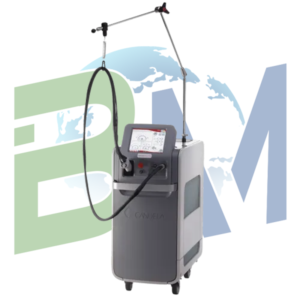
Linear focused ESWT is a shockwave technology that distributes focused acoustic energy along an elongated, line-shaped focal zone instead of a single small point. It combines the penetration depth of focused shockwave therapy with a much wider treatment coverage, which makes it a practical option for myofascial pain, trigger points, muscle tension, fascial adhesions, and long soft-tissue structures.
For clinics, rehabilitation centers, and distributors evaluating advanced shockwave equipment, understanding where linear focus fits matters. In this article, we explain how the technology works, which conditions and body regions it is commonly applied to, how it compares with point-focused and radial ESWT, what a typical session looks like, and what to look for when choosing a linear focused shockwave machine.
What Is Linear Focused ESWT?
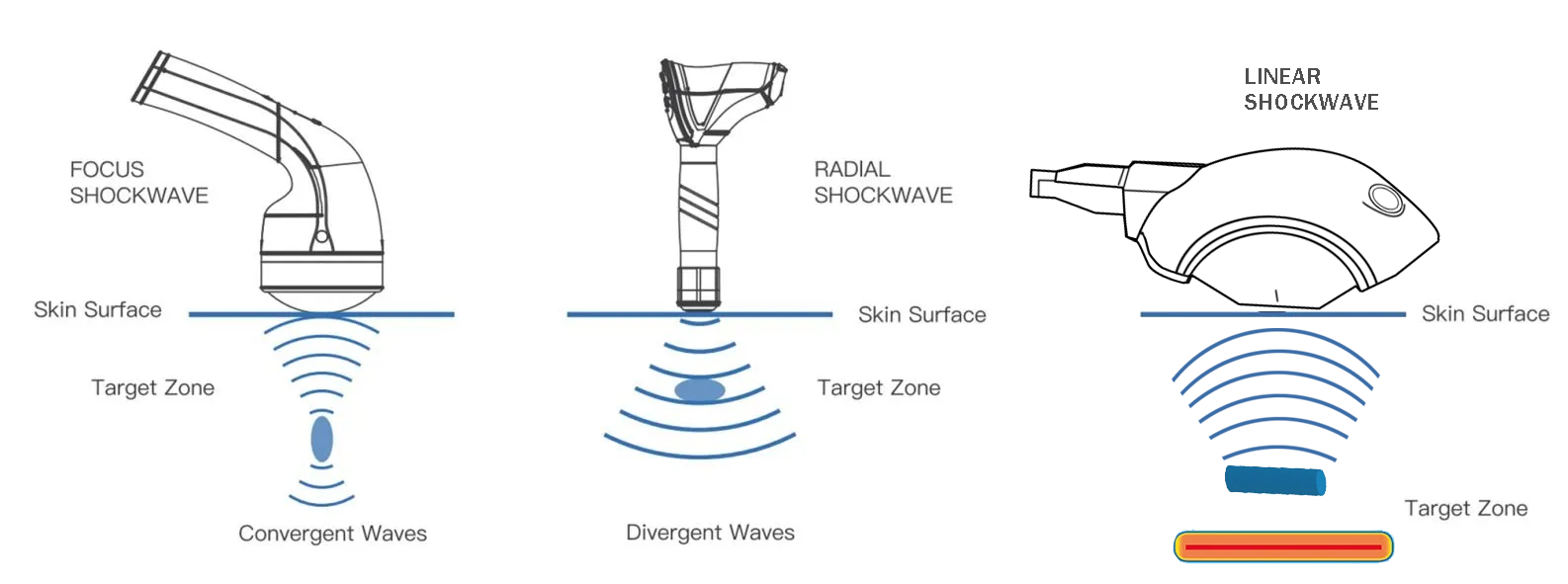
Extracorporeal shockwave therapy (ESWT) delivers mechanical pressure waves into tissue from outside the body. Conventional point-focused ESWT concentrates the energy into a small focal point, which is ideal for precise, deep targets such as a specific enthesis or a localized lesion.
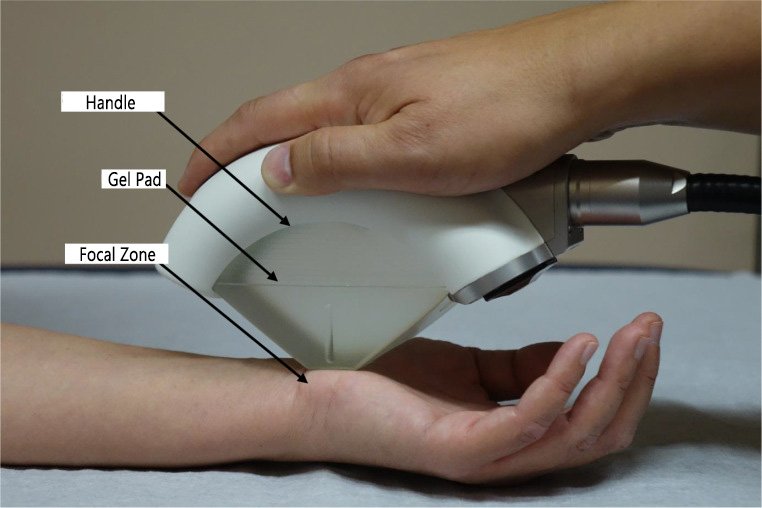
Linear focused ESWT changes the geometry of that focus. Instead of a point, the energy converges along a line. This allows the practitioner to cover a longer segment of muscle, fascia, or tendon in a single pass, rather than treating the area spot by spot.
Key characteristics include:
- Elongated focal zone: the focus is stretched into a linear region that follows the shape of the muscle belly, fascial band, or tendon.
- Focused-wave penetration: because it remains a focused technology, it is better suited to deeper tissue than radial shockwave, whose energy is greatest at the applicator surface and disperses with depth.
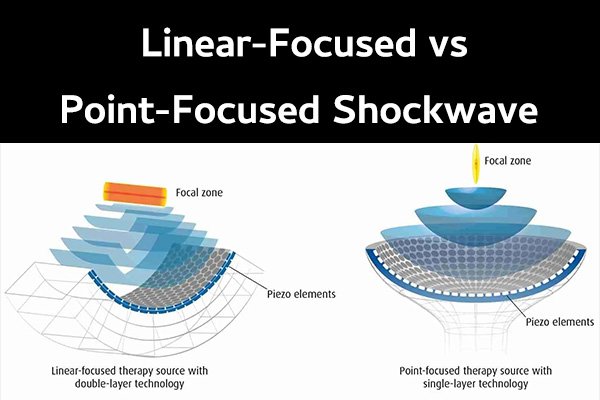
- Adjustable depth: different gel pads or coupling methods can be used to adjust the treatment depth to the target tissue.
How Linear Focused Shockwave Therapy Works
Like other forms of shockwave therapy, linear focused ESWT is designed to deliver controlled mechanical stimulation to soft tissue. While research into exact mechanisms continues, the commonly described effects include:
- Stimulating local microcirculation and cellular metabolism. Mechanical pressure waves may help promote blood flow and metabolic activity in the treated area.
- Helping relax high-tension muscle fibers and fascial structures. This is particularly relevant where chronic tightness or adhesions limit mobility.
- Potentially modulating local pain sensitivity and trigger-point activity. Many practitioners use shockwave to address hypersensitive points within taut muscle bands.
- Supporting a tissue environment favorable to repair. For this reason, shockwave is often used as one component of a broader rehabilitation program.
Treatment outcomes vary between patients and conditions, and linear focused ESWT is best viewed as a tool that can be used as part of a comprehensive care plan rather than a stand-alone solution.
Linear Focused ESWT for Myofascial Pain
Myofascial pain is one of the most common reasons patients seek soft-tissue treatment, and it is where a linear focus offers some of its clearest practical advantages. Muscle tension and trigger points rarely occur in isolation; they tend to form chains and bands along the direction of muscle fibers. A line-shaped focus matches that anatomy far better than a single point.
Common Myofascial Applications
Linear focused shockwave therapy is commonly considered for the following regions:
- Neck and upper trapezius tension
- Thoracic and paraspinal muscle tightness
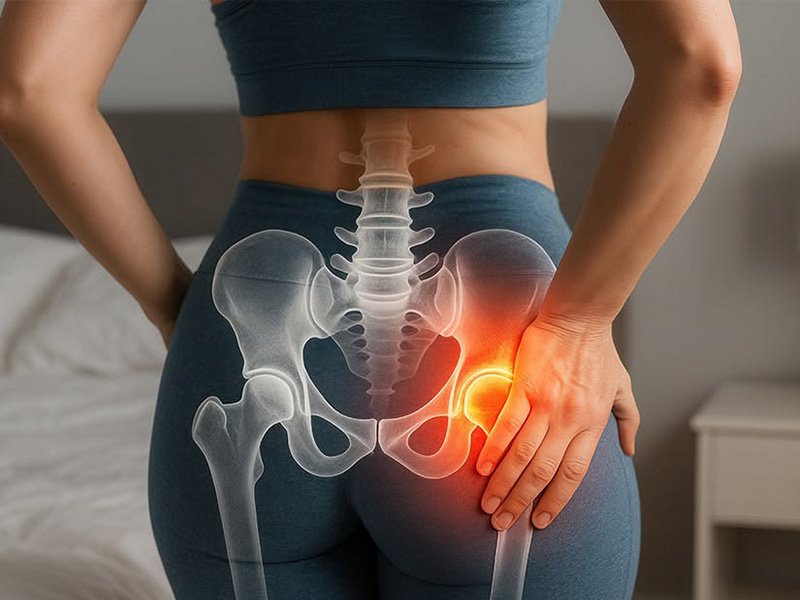
- Gluteal and piriformis-related discomfort
- Calf, hamstring, and quadriceps muscle tightness
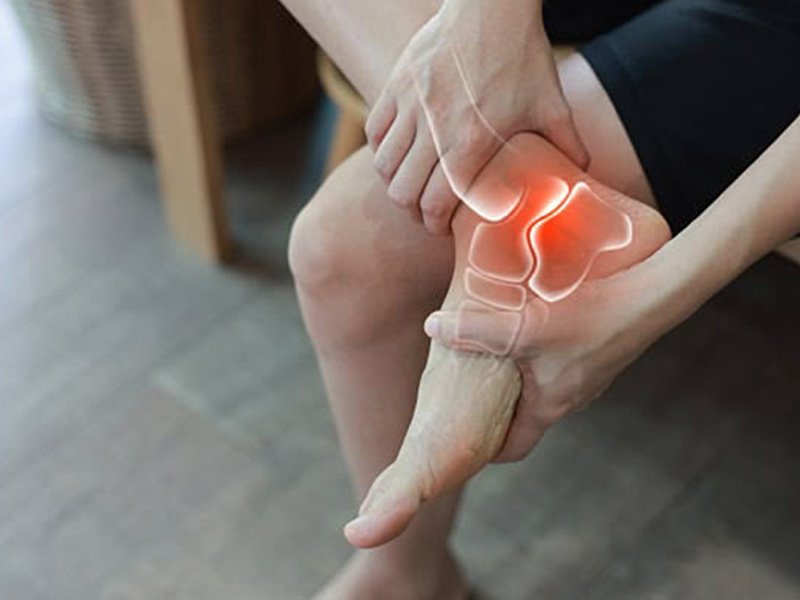
- Plantar fascia and foot soft-tissue discomfort
- Shoulder girdle and the muscles surrounding the rotator cuff




Why It Suits Trigger Points and Fascial Bands
The linear focal geometry offers several practical benefits when working with myofascial tissue:
- Multiple adjacent trigger points in one pass. A single treatment line can cover clustered points along the same muscle.
- Energy along the fiber or fascial direction. The applicator can follow the natural orientation of the tissue.
- Better efficiency for large or diffuse areas. Broad, non-localized myofascial discomfort can be addressed more systematically.
- Less repositioning. Practitioners spend less time relocating the handpiece and re-establishing the target, which improves session flow.
Extended Soft-Tissue Treatment Applications
Beyond classic myofascial work, the linear focus is also well matched to long, band-like structures such as tendons, ligaments, fascial sheets, and the muscle-tendon junction.
Tendons and Muscle-Tendon Junctions
- Achilles tendon region
- Patellar tendon region
- Elbow and wrist extensor and flexor regions
- Shoulder tendons and periarticular soft tissue
Fascia and Broad Muscle Groups
- Plantar fascia
- Thoracolumbar fascia
- Soft tissue surrounding the iliotibial (IT) band
- Large muscle groups treated within rehabilitation programs
In these cases, the combination of depth and length allows a practitioner to treat an extended structure with consistent energy delivery instead of piecing it together from many individual points.
Key Advantages of Linear Focused ESWT
| Advantage | What It Means in Practice |
|---|---|
| Broader treatment area | Covers longer muscle or fascial segments in fewer passes |
| Focused depth control | Retains focused-wave penetration for deeper tissue |
| Efficient trigger-point coverage | Treats clustered trigger points along a muscle line |
| More homogeneous energy delivery | Helps avoid over-treating one small point while missing adjacent tissue |
| Better workflow efficiency | Suitable for clinics handling multiple musculoskeletal or rehab cases |
| Flexible application | Can be combined with manual therapy, exercise, and other rehab methods |
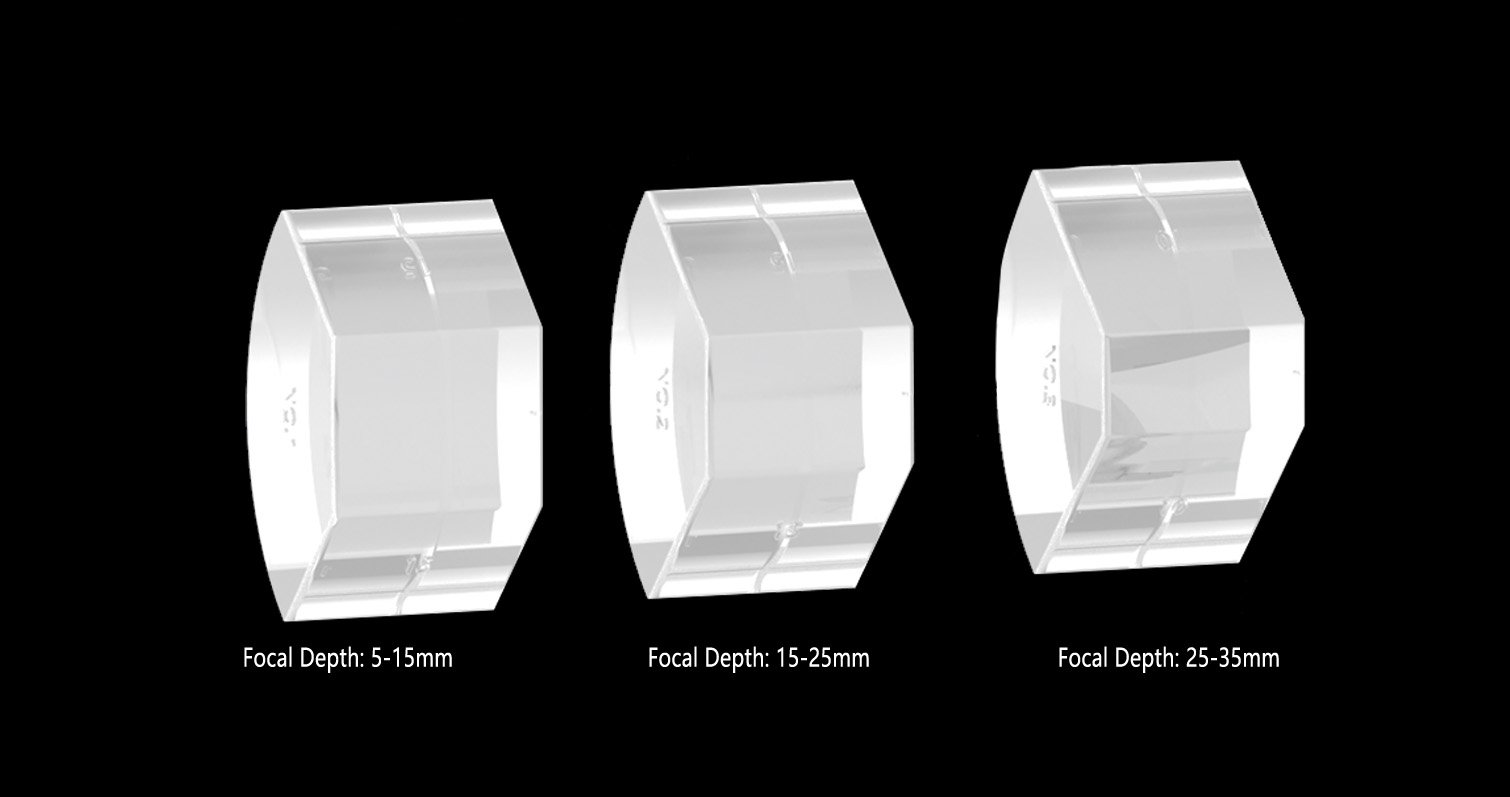
Linear Focused ESWT vs. Point-Focused and Radial ESWT
Buyers often ask whether linear focus replaces other shockwave types. It does not. Each technology has a distinct role.
| Type | Focus Shape | Best For | Main Limitation |
|---|---|---|---|
| Point-focused ESWT | Small, concentrated point | Precise deep lesions or entheses | Smaller coverage area |
| Linear focused ESWT | Elongated linear focus | Myofascial bands, broad muscles, extended tendons | Requires appropriate technique and indication selection |
| Radial ESWT | Dispersed from the applicator surface | Superficial and broad soft-tissue areas | Less suitable for deep focal targets |
Linear focused ESWT is not a substitute for point-focused or radial ESWT. Its value lies in complementing them, covering the “deeper and wider” scenarios that fall between a precise point target and a superficial, dispersed one.
What a Typical Treatment Session Looks Like
Protocols differ by device and clinical setting, but a linear focused shockwave session generally follows this sequence:
- Assessment of the painful area, posture, movement, and palpable trigger points.
- Mapping of the primary treatment line, often marked on the skin.
- Preparation: application of coupling gel and selection of the appropriate applicator and depth setting.
- Treatment along the muscle-fiber or fascial direction.
- Adjustment of energy level and pulse frequency based on patient tolerance.
- Reassessment of tenderness, range of motion, and functional movement after treatment.
Specific energy settings, pulse counts, session frequency, and treatment duration should be determined individually by trained professionals according to the indication and patient response.
Who Can Benefit from Linear Focused ESWT?
Linear focused shockwave technology is particularly relevant to:
- Clinics treating chronic muscle tension and myofascial pain
- Rehabilitation centers managing soft-tissue injuries
- Sports medicine and physiotherapy clinics
- Pain management practices
- Distributors looking to add advanced focused shockwave technology to their portfolio




Choosing a Linear Focused Shockwave Machine
If you are evaluating equipment, the following points are worth examining closely:
- Focused energy source and linear applicator design: the quality of the focal geometry determines how consistent the treatment line is.
- Adjustable penetration depth: flexibility to treat both shallower fascia and deeper muscle layers.
- Treatment presets: protocols for myofascial and soft-tissue applications that shorten the learning curve.
- Handpiece ergonomics and coupling options: important for comfort during longer treatment days.
- Safety controls and user interface: clear parameters, intuitive operation, and built-in safeguards.
- Training and after-sales support: onboarding, clinical guidance, and reliable service.
- OEM/ODM capability and certification: essential for distributors and brand owners.
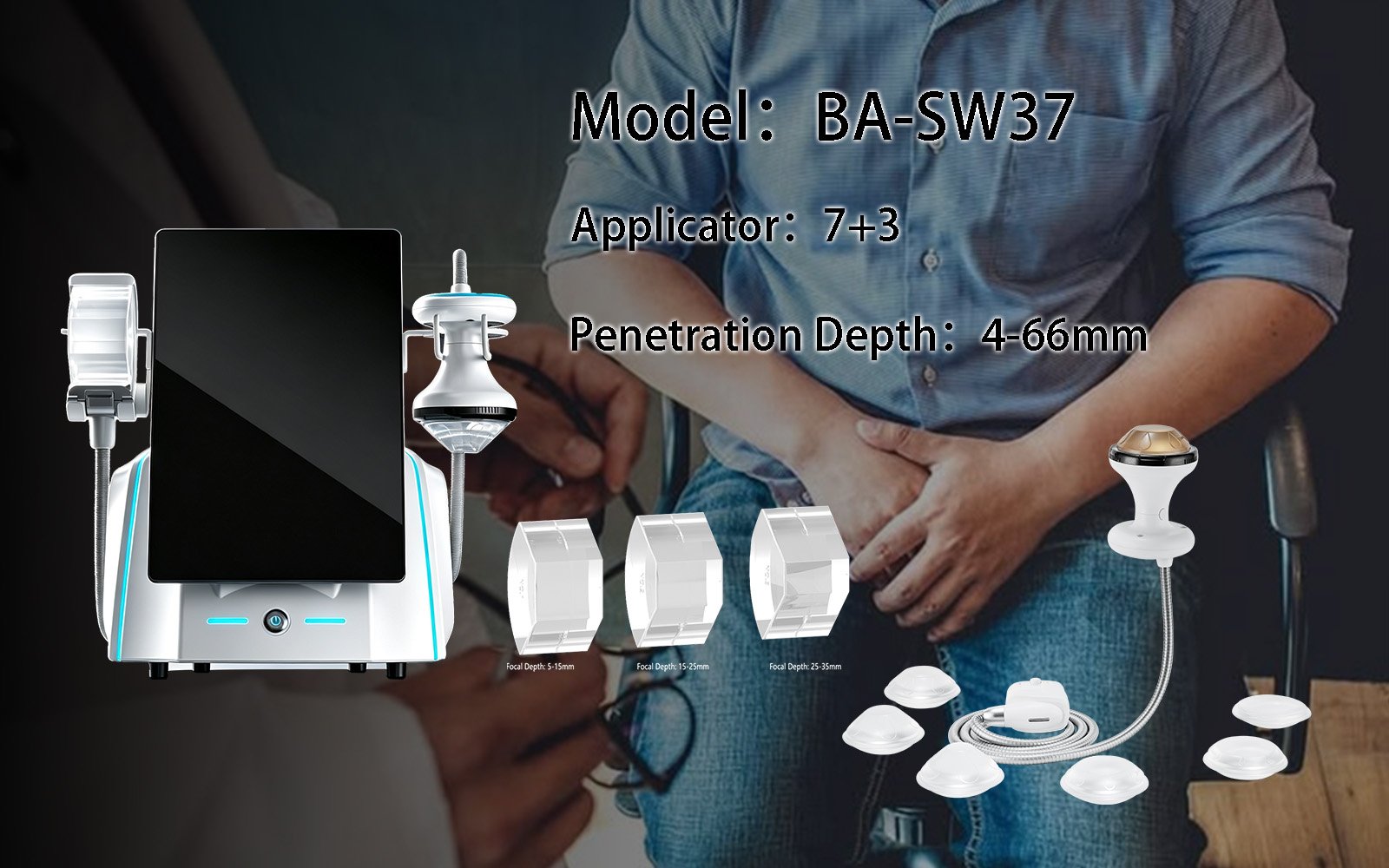
Looking for a reliable focused shockwave device with a linear applicator? Explore Our Linear Focused Shockwave Therapy Machine or Request Technical Specifications to discuss configurations, clinical protocols, and OEM options with our team.
FAQ
What is linear focused ESWT?
Linear focused ESWT is a form of focused extracorporeal shockwave therapy in which the focal zone is elongated into a line rather than a point. This lets practitioners treat longer segments of muscle, fascia, or tendon while keeping the depth advantages of focused shockwaves.
How is it different from radial shockwave therapy?
Radial shockwaves disperse from the applicator surface and are generally used for superficial and broad areas. Linear focused shockwaves converge energy in a focal zone at depth, making them better suited to deeper tissue while still covering an extended area.
Can linear focused ESWT be used for myofascial pain?
Yes. Myofascial pain, trigger points, and fascial tightness are among its most common applications, because the linear focus follows the orientation of muscle fibers and can address several adjacent points at once.
Is linear focused shockwave therapy painful?
Patients may feel pressure or temporary discomfort during treatment, especially over sensitive trigger points. Energy and frequency are typically adjusted to patient tolerance, and most clinics begin at lower settings and increase gradually.
How many sessions are usually needed?
This depends on the condition, its chronicity, and individual response. Many protocols involve a series of sessions spaced over several weeks, with the plan reviewed and adjusted by the treating professional.
Can it be combined with physical therapy or manual therapy?
Yes. Linear focused ESWT is commonly used alongside manual therapy, stretching, strengthening, and other rehabilitation approaches as part of an integrated plan.
Conclusion and Next Steps
Linear focused ESWT brings together deep focused penetration and broad soft-tissue coverage. That combination makes it especially useful for myofascial pain, trigger points, fascial restrictions, and long muscle or tendon structures where a single focal point is too limited and a radial wave is not deep enough.
If you are considering adding this technology to your clinic or product line, our team can provide equipment specifications, clinical protocol guidance, and OEM/ODM partnership information. Contact us today to learn more.
This article is for informational purposes only and does not constitute medical advice. Qualified healthcare professionals should make treatment decisions.