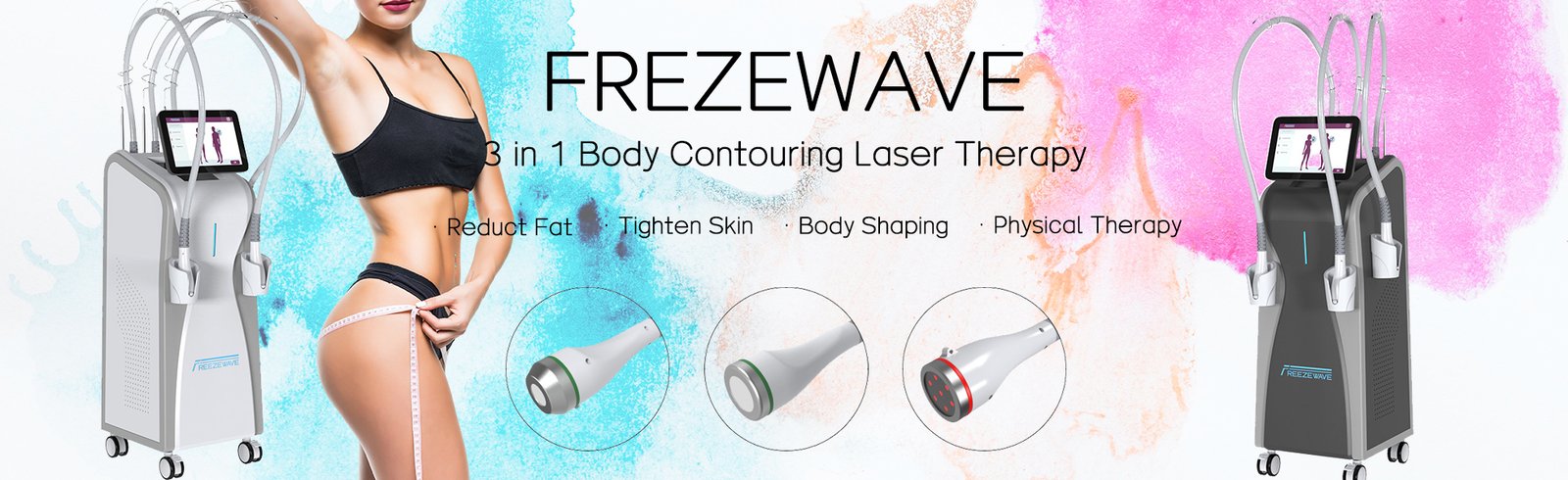
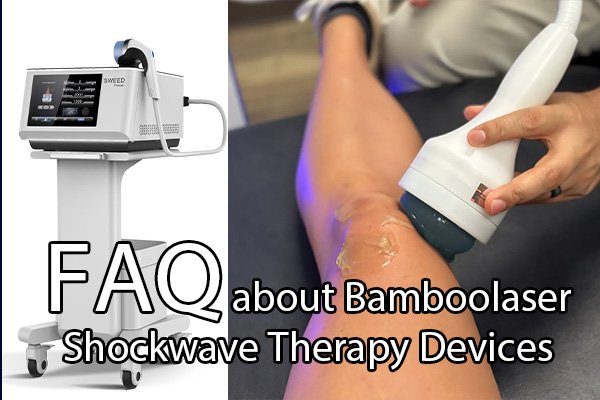
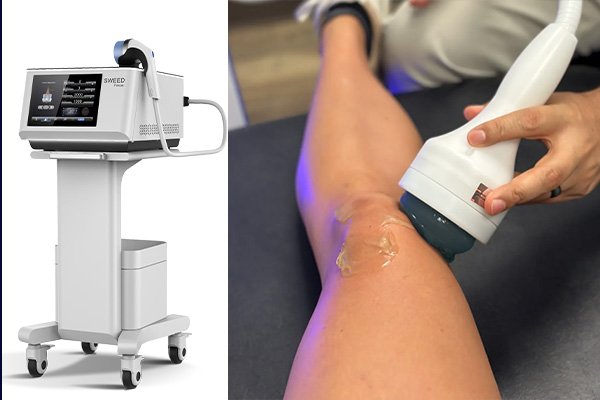
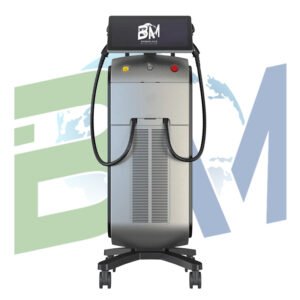
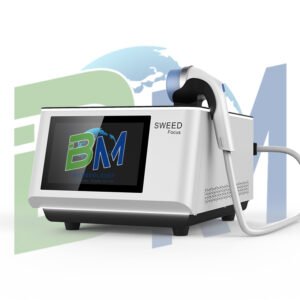
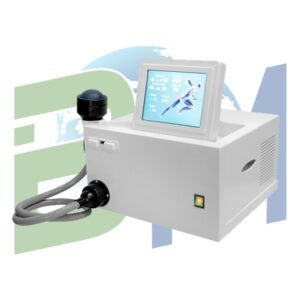
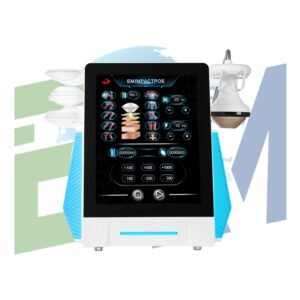
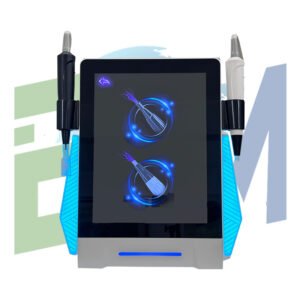
Both 2.45 GHz microwave (Freezewave) body contouring and radiofrequency (RF) fat reduction are non-invasive energy-based technologies used for body shaping, localized fat reduction, and skin tightening. However, their mechanisms, tissue selectivity, treatment depth, patient experience, and clinical outcomes differ significantly.
1. Core Technology Difference
2.45 GHz Microwave (Freezewave) Fat Reduction
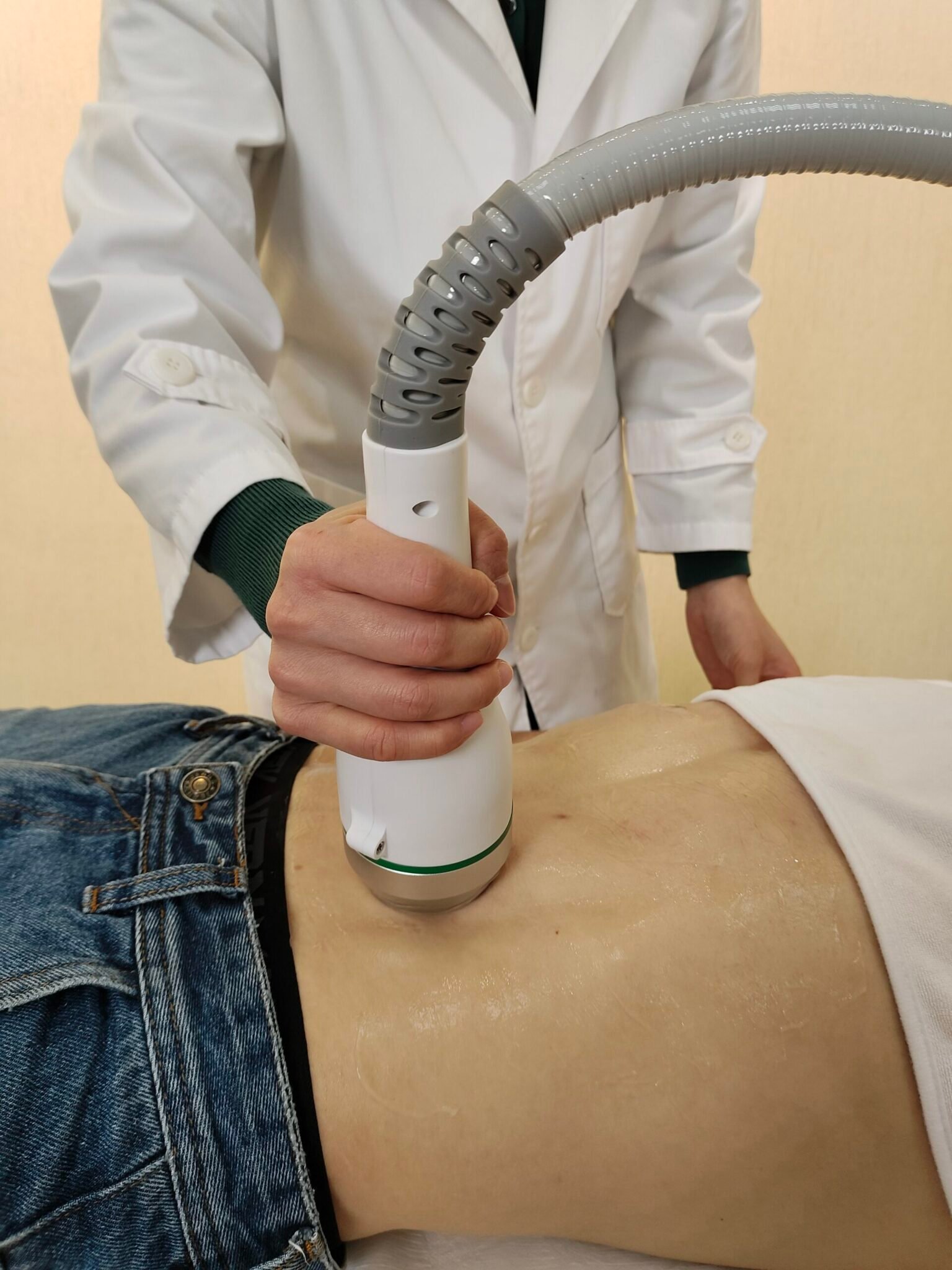
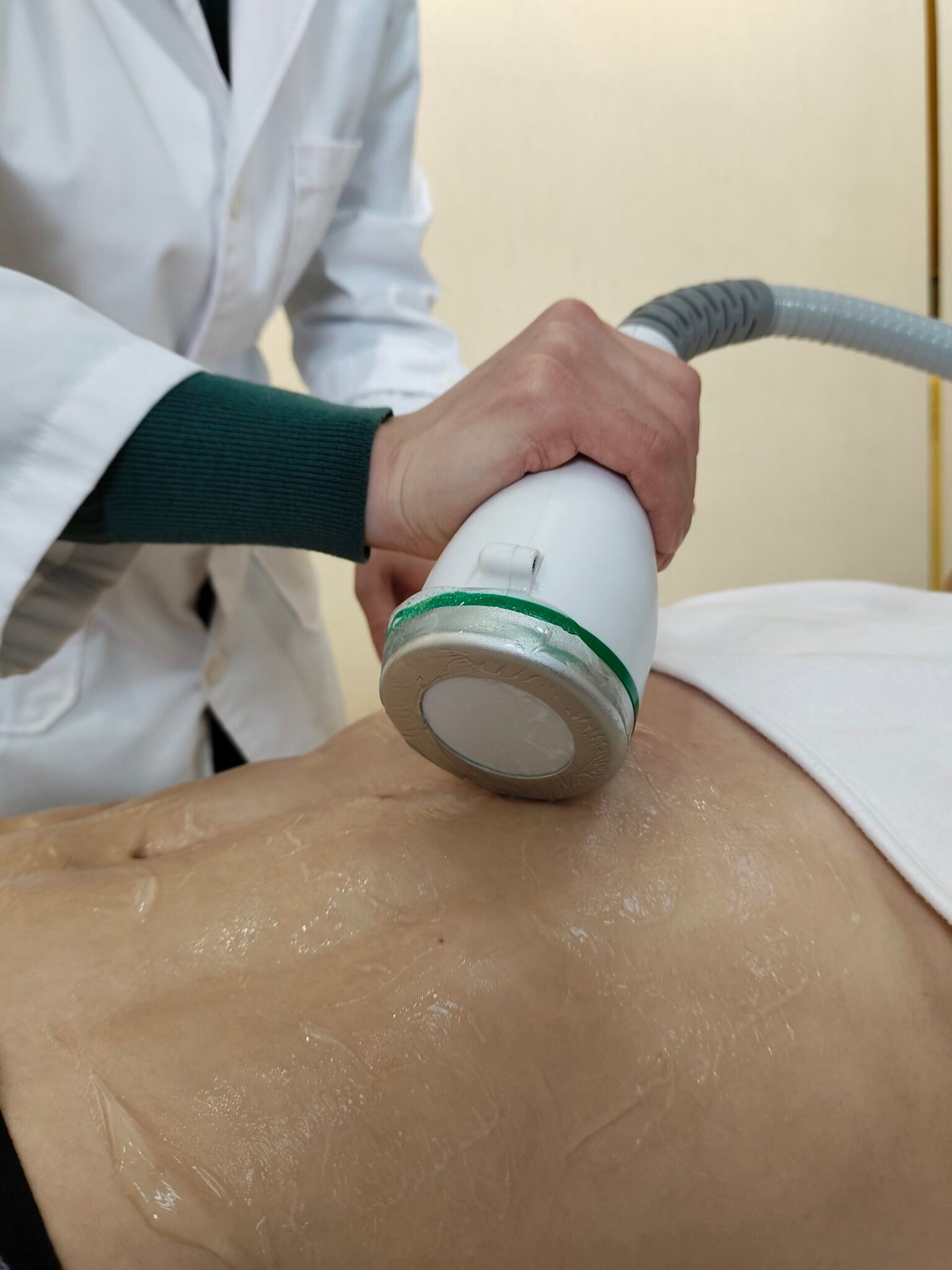
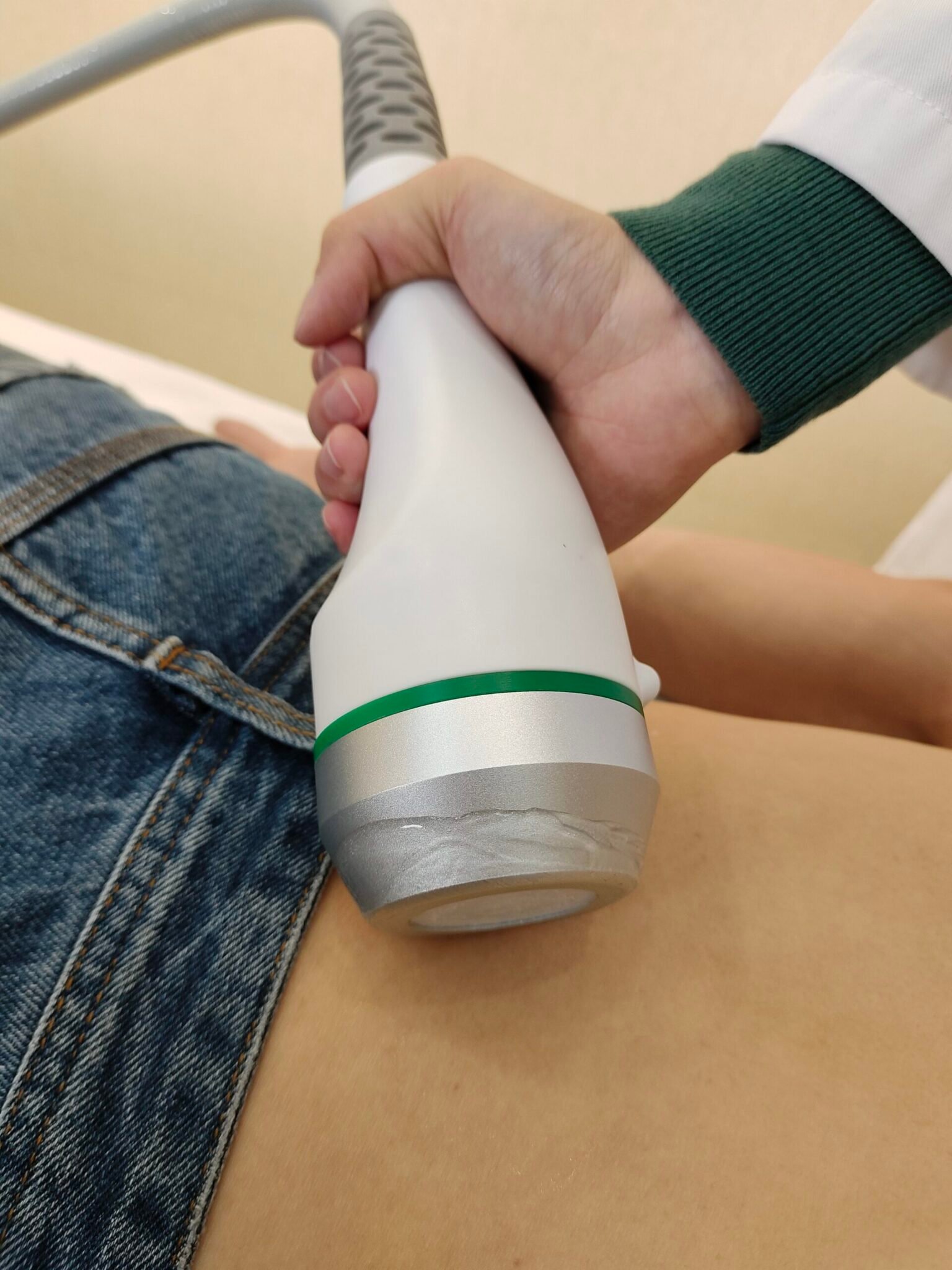
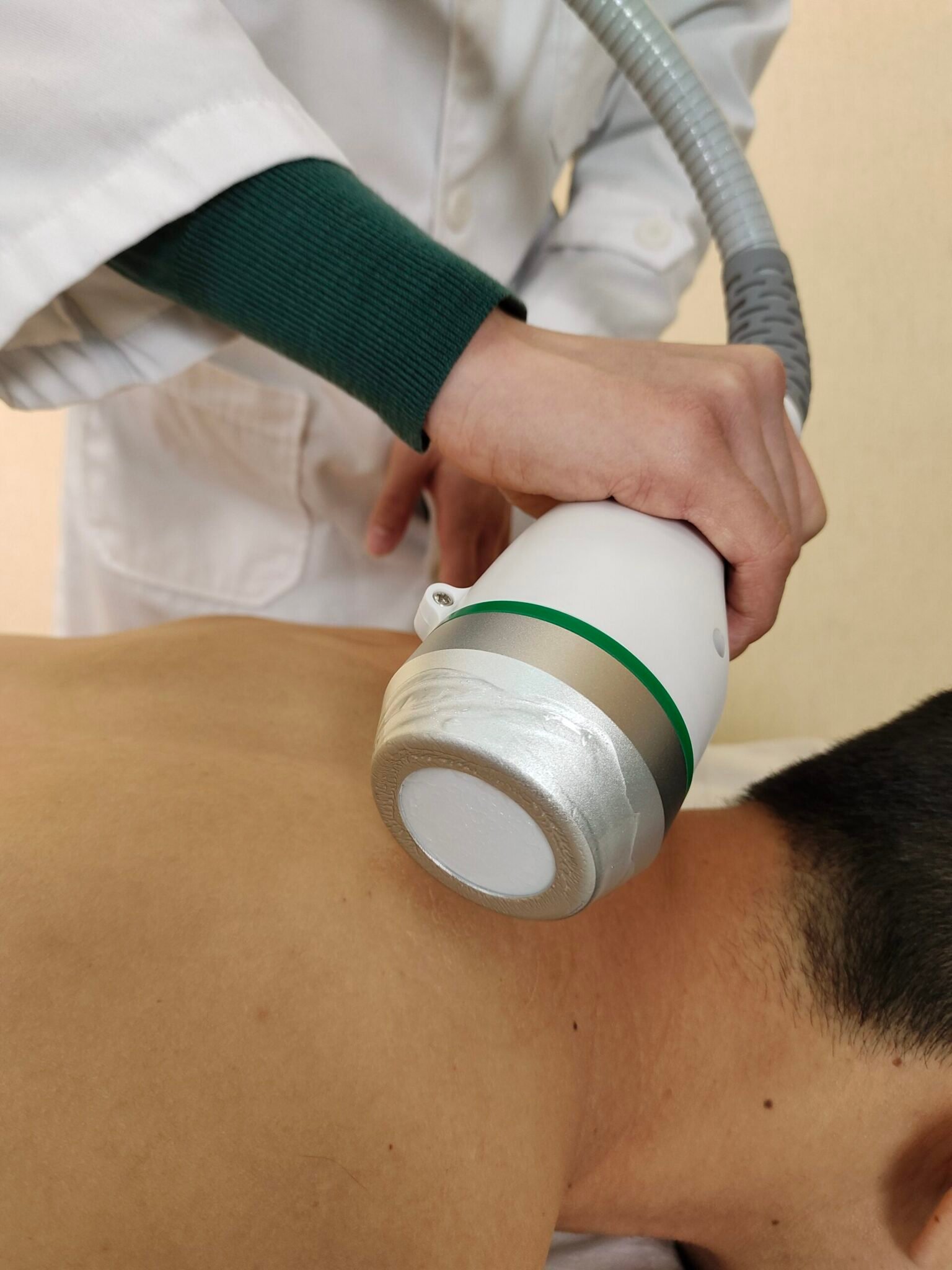
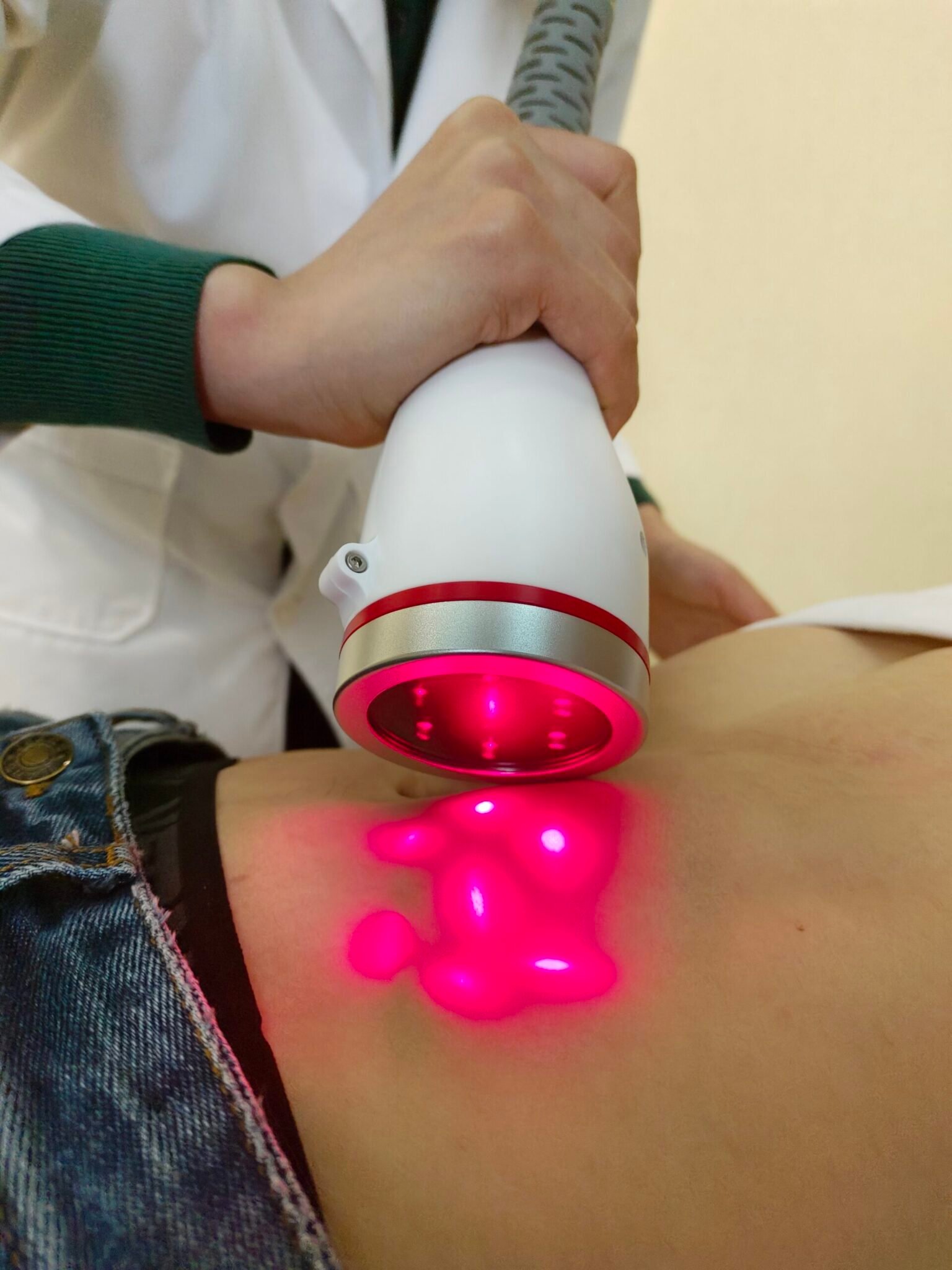
Microwave systems operate at a 2.45 GHz electromagnetic frequency (freezewave), specifically targeting adipose tissue through dielectric heating. The technology selectively heats fat cells because adipocytes contain lower water content and different electromagnetic absorption characteristics compared to surrounding tissues.
The microwave energy penetrates deeply into subcutaneous fat layers and generates rapid volumetric heating. Once adipocytes reach a critical thermal threshold, cellular membranes destabilize, triggering apoptosis and gradual metabolic clearance through the lymphatic system.
This technology is often promoted for:
- Abdomen fat reduction
- Love handles
- Inner/outer thighs
- Back fat
- Double chin contouring
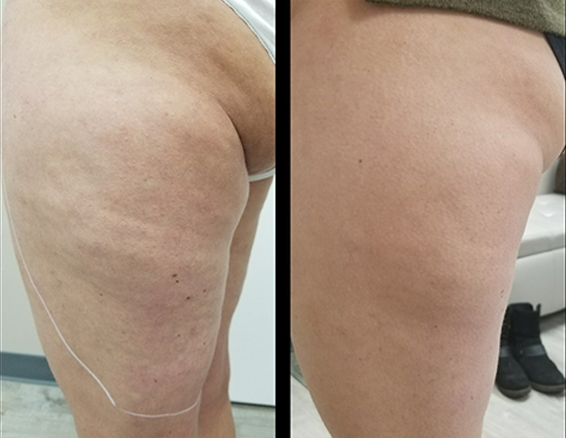
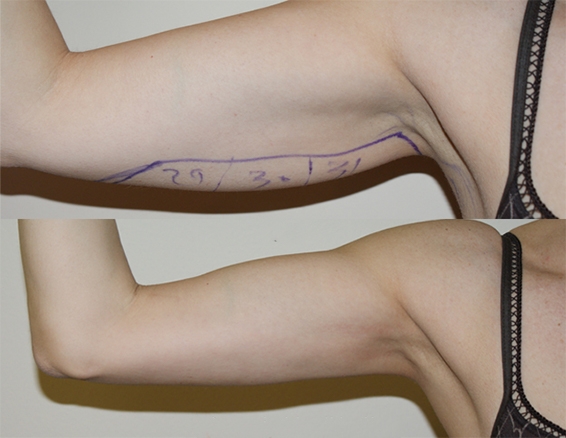
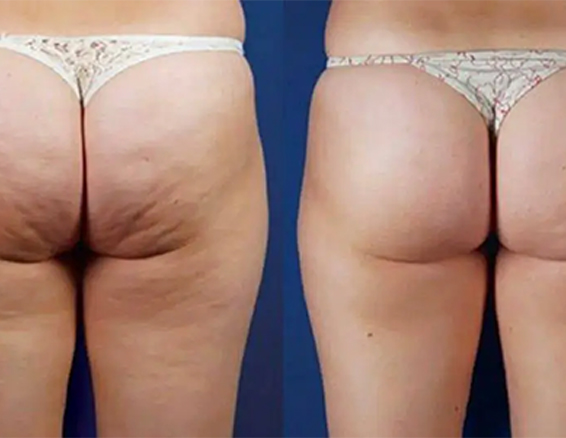
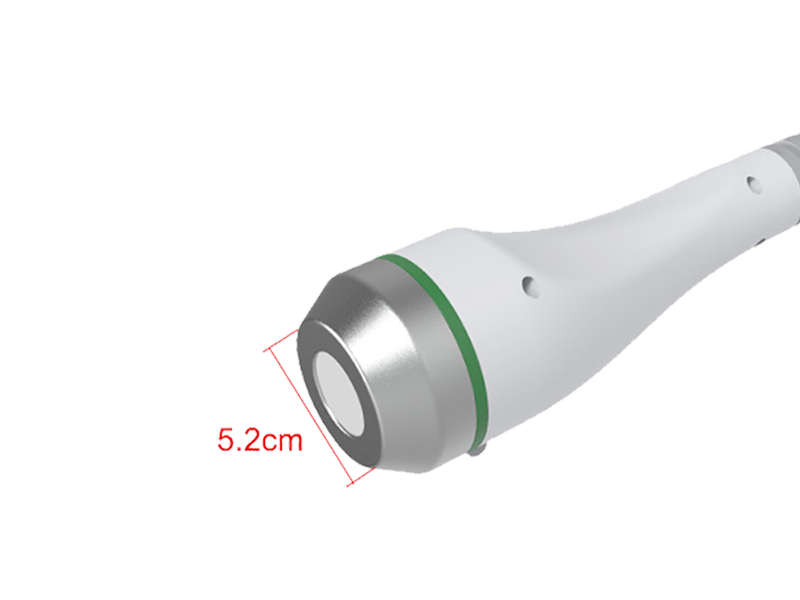
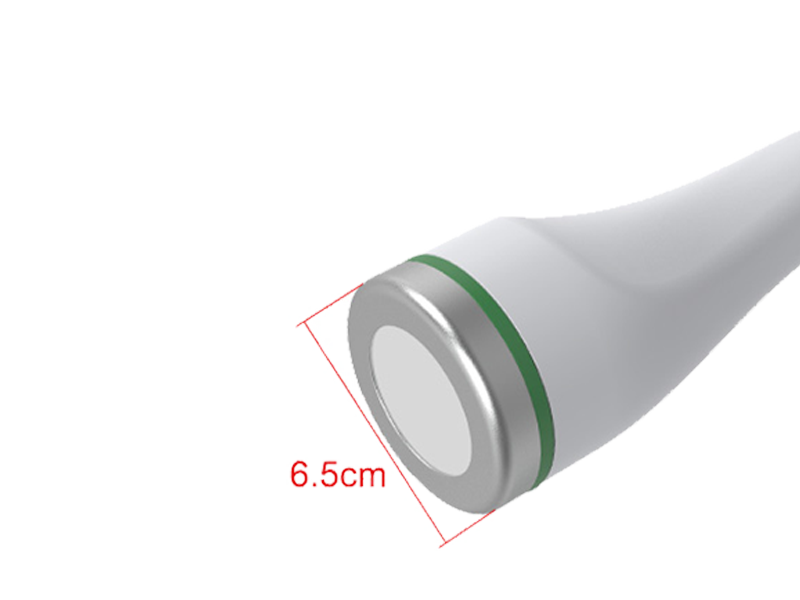
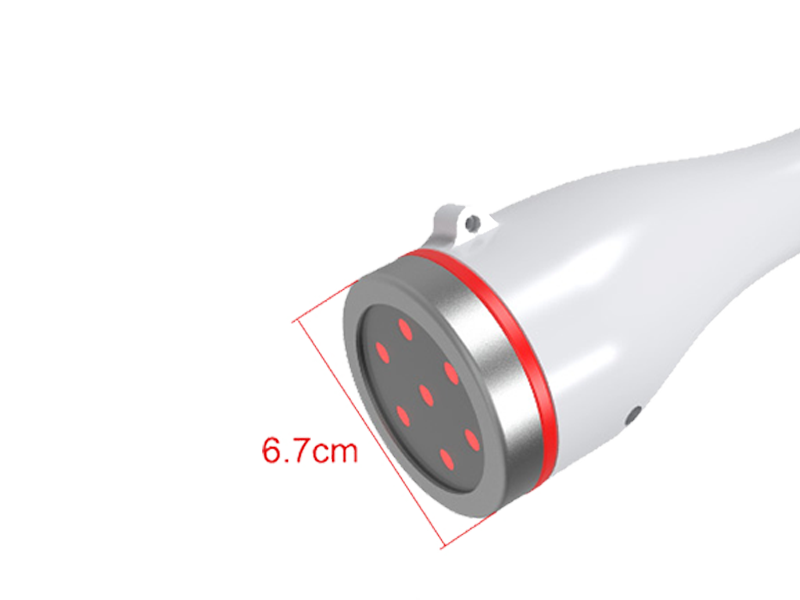
Representative systems include:
- Onda Coolwaves
- Onda Plus
- Freezewave Machine
Radio Frequency (RF) Fat Reduction
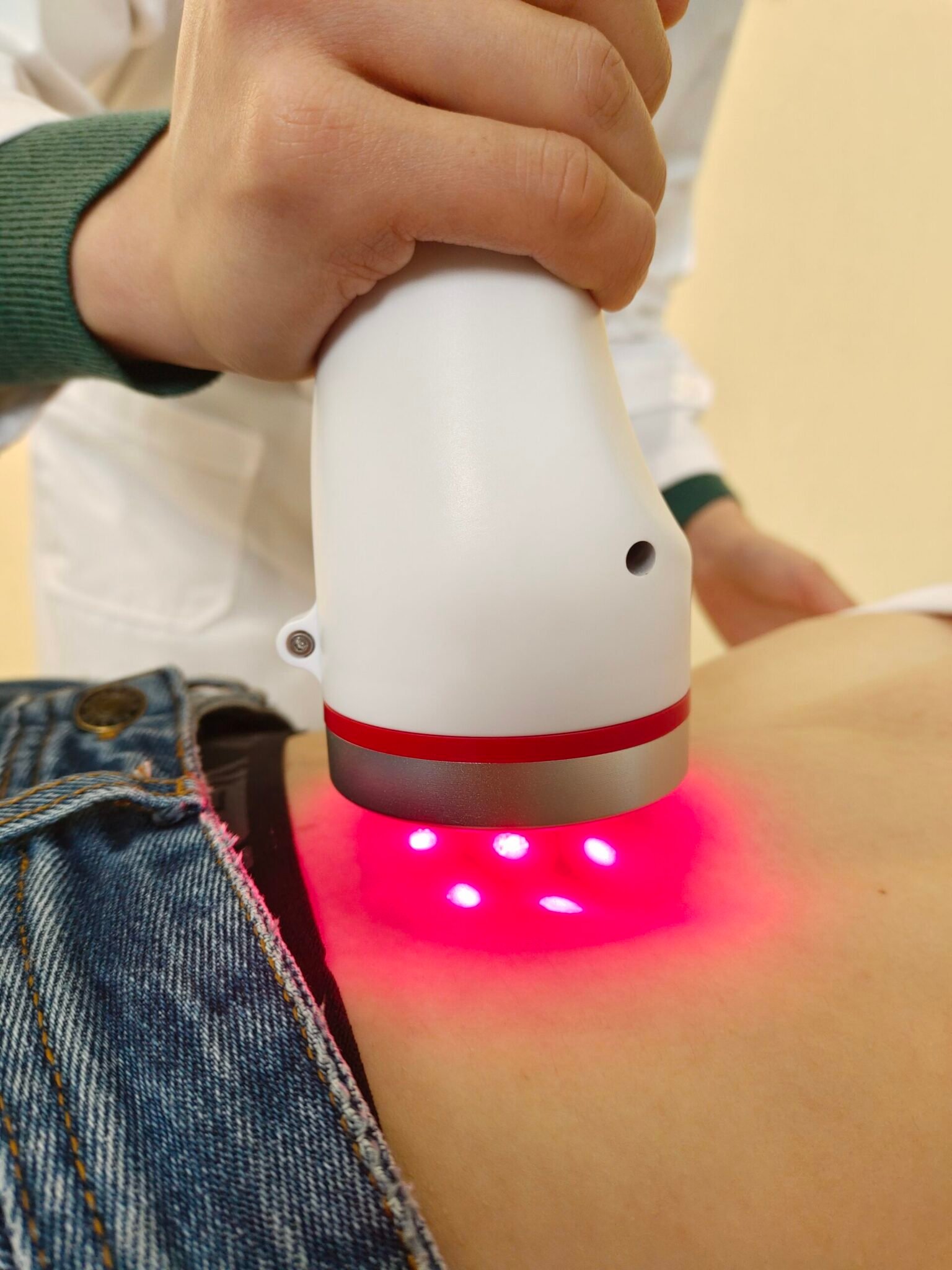
Radiofrequency systems use lower-frequency electromagnetic waves, commonly ranging from 0.3MHz to 40 MHz, to generate resistance-based tissue heating.
RF energy primarily heats tissue through impedance and water molecule agitation. Unlike microwaves, RF is generally less selective for adipose tissue and often distributes heat across:
- Dermis
- Fibro-septal network
- Superficial fat layers
RF devices are widely used for:
- Skin tightening
- Mild fat reduction
- Cellulite improvement
- Facial rejuvenation
Representative RF systems include:
- Thermage FLX
- Exilis Ultra
- Venus Legacy
2. Clinical Mechanism Comparison
| Factor | 2.45 GHz Microwave (Freezewave) | Radiofrequency |
|---|---|---|
| Primary Target | Adipocytes | Dermis + fat + connective tissue |
| Energy Selectivity | High fat selectivity | Broader tissue heating |
| Penetration Depth | Deep subcutaneous fat | Usually superficial to mid-depth |
| Heating Pattern | Volumetric focused heating | Diffuse conductive heating |
| Main Clinical Goal | Fat reduction | Tightening + mild contouring |
| Fibrosis Effect | Strong cellulite remodeling | Moderate |
| Skin Tightening | Moderate | Strong |
| Pain Level | Moderate heat sensation | Mild to moderate |
| Treatment Speed | Faster adipose heating | Gradual bulk heating |
3. Fat Reduction Efficacy
Microwave 2.45 GHz (Freezewave)
Clinical observations suggest microwave systems may produce:
- More aggressive localized adipocyte disruption
- Faster circumference reduction
- Better fibrotic cellulite remodeling
Because microwaves preferentially interact with fat tissue, clinicians often observe:
- Higher efficiency on stubborn fat pockets
- Better results in dense fibrotic areas
- More visible contour changes after fewer sessions
Typical protocol:
- 4–6 sessions
- 2–4 week intervals
Results may become visible within:
- 3–6 weeks
- Continue improving for 2–3 months
RF Fat Reduction
RF devices are usually more conservative regarding adipocyte destruction. Their strength lies in:
- Dermal collagen remodeling
- Skin laxity improvement
- Mild circumference reduction
- Post-weight-loss tightening
Clinical outcomes are often:
- More gradual
- Less dramatic for fat removal
- Better for patients prioritizing skin quality
Typical protocol:
- 6–10 sessions
- Weekly or biweekly
4. Cellulite and Fibrosis Performance
This is one of the largest differentiators clinically.
Microwave Technology
2.45 GHz (Freezewave) systems are often considered superior for:
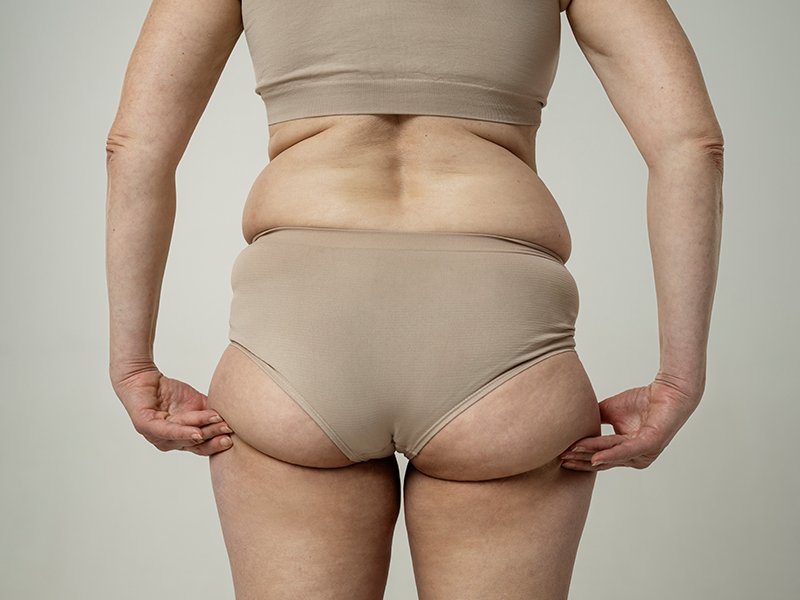
- Fibrotic cellulite
- Orange-peel texture
- Dense adipose septa
The deeper thermal interaction can soften fibrotic connective tissue while disrupting fat clusters simultaneously.
This is why many practitioners position microwave systems as:
- “Body remodeling” rather than simple slimming
- Particularly effective for thighs and buttocks
RF Technology
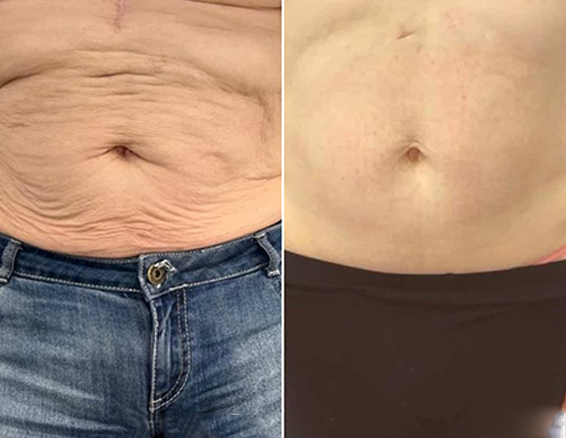
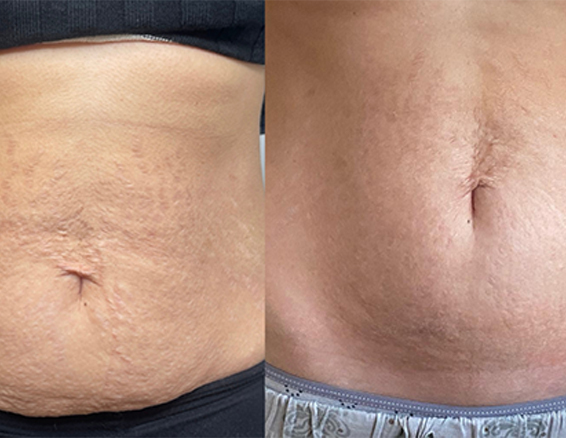
RF improves cellulite mainly through:
- Collagen tightening
- Improved microcirculation
- Mild dermal thickening
Results can be good for early-stage cellulite but may be less effective for severe fibrotic cellulite.
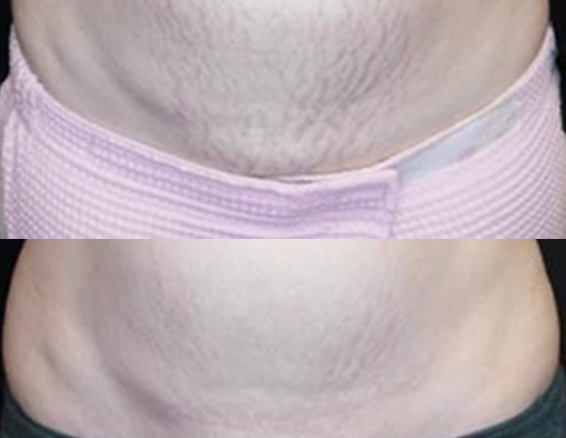
5. Safety and Patient Experience
Microwave 2.45 GHz (Freezewave)
Advantages:
- Non-invasive
- No consumables in many systems
- Limited epidermal damage due to integrated cooling
Potential side effects:
- Temporary erythema
- Edema
- Heat discomfort
- Tenderness
Because energy density is relatively high, the operator technique is important.
RF
Advantages:
- Generally comfortable
- Lower downtime
- Broad skin-type compatibility
Potential side effects:
- Temporary redness
- Mild swelling
- Rare overheating if improperly applied
RF has a longer clinical history and is widely accepted in aesthetic medicine.
6. Which Technology Produces Better Results?
The answer depends on the treatment goal.
Choose 2.45 GHz Microwave (Freezewave) if the Patient Wants:
- More visible fat reduction
- Faster contour changes
- Cellulite remodeling
- Treatment of stubborn adipose areas
- Higher body sculpting efficiency
Microwave technology is often positioned closer to a non-invasive lipolysis category.
Choose RF If the Patient Wants:
- Skin tightening first
- Mild contouring
- Facial rejuvenation versatility
- Softer maintenance treatments
- Lower discomfort treatments
RF is often better as a collagen remodeling platform.
7. Clinical Market Positioning
Currently, the aesthetic market increasingly differentiates the two technologies this way:
| Technology | Market Position |
|---|---|
| 2.45 GHz Microwave (Freezewave) | Advanced body contouring & cellulite remodeling |
| RF | Skin tightening & maintenance contouring |
Many clinics now combine both technologies:
- Microwave for adipocyte reduction
- RF for skin tightening after volume reduction
This combination strategy may improve:
- Body contour definition
- Skin texture
- Patient satisfaction
Conclusion
From a clinical fat-reduction perspective, 2.45 GHz microwave (FreeWave) technology generally demonstrates stronger adipocyte selectivity and more aggressive body contouring capability than traditional RF systems. It is particularly effective for:
- Resistant fat deposits
- Fibrotic cellulite
- Circumference reduction
Meanwhile, radiofrequency remains highly valuable for collagen remodeling, skin tightening, and gentler contour enhancement.
Rather than direct competitors, these technologies are increasingly viewed as complementary modalities within modern aesthetic body treatment protocols.