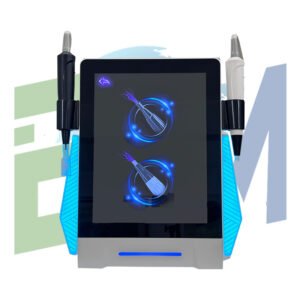
4D vs 7D vs 12D vs 22D HIFU: What’s the Difference and Which HIFU Is Right for You?
Quick Answer: 7D vs 12D vs 22D HIFU
7D, 12D and 22D HIFU systems are not simply different “power levels.” The actual differences depend on the system’s ultrasound configuration, cartridges, treatment depths, energy delivery and intended applications. Therefore, the best HIFU machine depends on what treatments a clinic plans to offer rather than the number in the product name alone.
High-Intensity Focused Ultrasound (HIFU) is a non-invasive cosmetic technology that uses focused ultrasound waves to stimulate collagen production deep in the skin, leading to tightening, lifting, and rejuvenation. It’s often marketed as a “non-surgical facelift” targeting layers like the epidermis (1.5mm), dermis (3.0mm), and SMAS (4.5mm) for face treatments, with deeper options for body contouring. Machines are labeled with terms like 4D, 7D, 12D, and 22D, but these are primarily marketing buzzwords from manufacturers (often Chinese brands) to differentiate products.
The “D” of HIFU Machine typically refers to either:
- The number of treatment depths or cartridges available (e.g., 4D has 4 depths).
- The number of lines (or dots) delivered per shot, which affects treatment speed and coverage (e.g., 12D fires 12 lines at once for faster sessions).
Higher “D” numbers generally promise more precision, speed, versatility, and comfort, but they don’t always indicate superior quality or results. Many are iterations of the same core technology, and designations like 7D+ are used for market expansion without groundbreaking innovations.
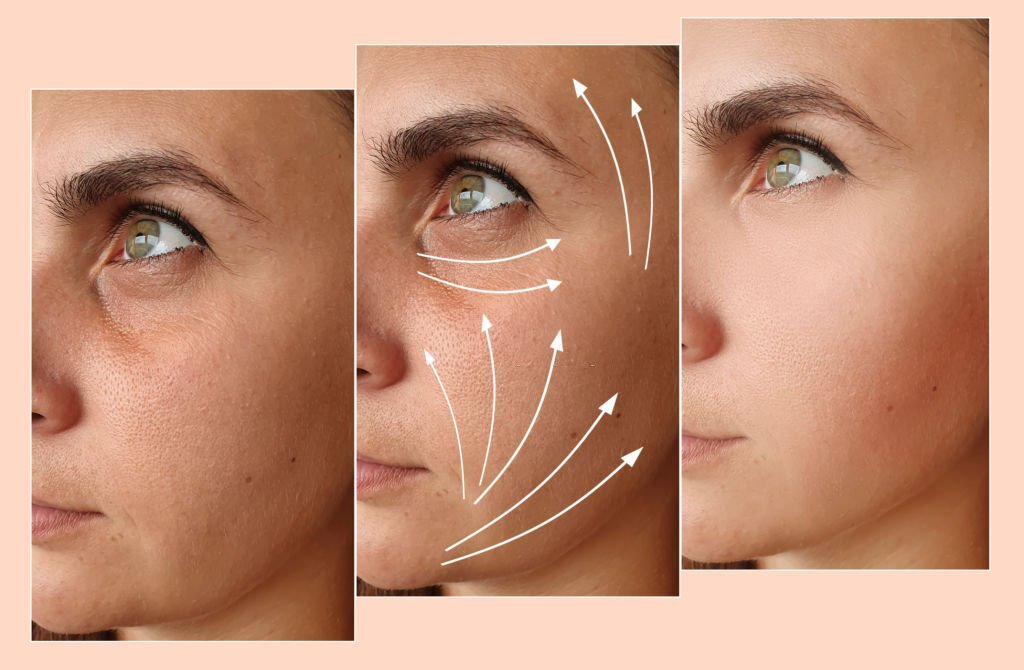
4D vs 7D vs 12D vs 22D Key Comparison Table
Here’s a side-by-side comparison based on common features from manufacturer specs and clinic reviews. Note that exact specs vary by brand, and higher D models often include RF (radio frequency) for added thermal effects, as seen in the 22D-MAX user manual provided (which combines a 13D ultrasound handle with up to 13 rows/lines and an 18D RF handle for body shaping).
| Feature | 4D HIFU | 7D HIFU | 12D HIFU | 22D HIFU |
|---|---|---|---|---|
| Lines per Shot | 4 lines (basic multi-line) | 7 lines (moderate coverage) | 12 lines (faster coverage) | 22 lines (maximum efficiency) |
| Depths/Cartridges | 4 depths (e.g., 1.5mm, 3.0mm, 4.5mm + one more; up to 4.5-8mm) | 7 depths (e.g., 1.5mm-13mm) | 4-6 depths (e.g., 1.5mm-6.0mm) | 8+ depths (e.g., 1.5mm-18mm, including body-focused) |
| Treatment Speed | Slower (45-60+ min/session) | Faster than 4D (30-60 min) | Faster (30-45 min) | Fastest (20-30 min) |
| Focus Point | Larger (less precise, more discomfort) | Smaller (more accurate, less pain) | Small (precise) | Smallest/even distribution (most comfortable) |
| Target Areas | Face, basic body slimming | Face, neck, body (with dedicated handpieces) | Face, jawline, neck | Full face, neck, body (e.g., abdomen, thighs, buttocks) |
| Pain/Comfort | Mild soreness possible | Minimal discomfort | Minimal | Very low (even energy) |
| Results Duration | 4-5 months initial, up to 1 year | 1-2 years with higher collagen boost | 12-18 months | 12-18 months, with advanced body sculpting |
| Unique Features | Older tech; sometimes includes vaginal tightening | Continuous mode; two handpieces (face/body) | Multi-layer anti-aging focus | Often combines ultrasound + RF; brushless motor for high speed/accuracy (e.g., 22D-MAX has 20,000Hz frequency, 30mNm torque) |
| Best For | Beginners or basic facial rejuvenation | Light to moderate laxity; precision treatments | Advanced facial/neck anti-aging | Clinics needing speed, versatility, and body contouring |
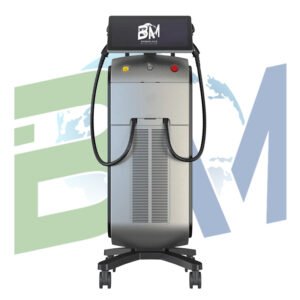
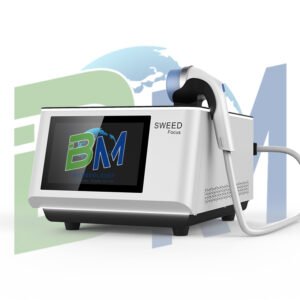
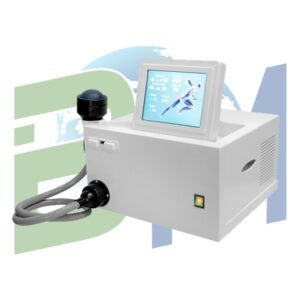
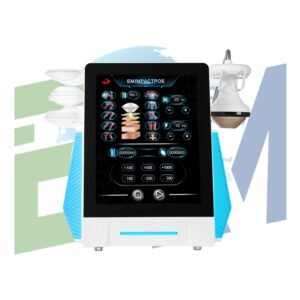
| Recommended Products | 4D HIFU Machine | 7D HIFU Machine | 12D HIFU Machine | 22D HIFU Machine |
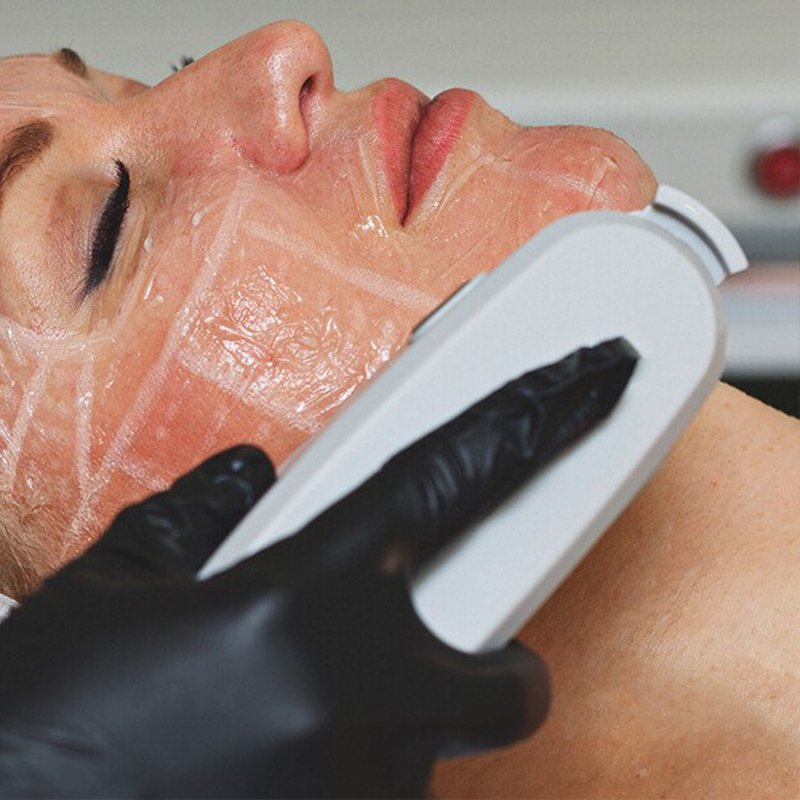
Detailed Differences Between 4D Hifu & 7D Hifu & 12D Hifu & 22D Hifu
- 4D HIFU: This is an entry-level multi-line system, often slower with a larger focal point, leading to potential mild discomfort. It treats fewer layers and is suited for basic skin tightening and fat breakdown. Some models add vaginal probes for intimate area treatments.
- 7D HIFU: A step up with more depths (up to 13mm) and a smaller focus for precision, reducing pain and improving accuracy. It includes modes like single-shot or continuous, plus separate handpieces for face (rejuvenation) and body (slimming/cellulite). Ideal for those with light laxity seeking longer-lasting (1-2 years) collagen boosts.
- 12D HIFU: Emphasizes speed with 12 lines per pulse, covering more area quickly. It adds deeper options (up to 6mm) for neck and jawline, making it great for multi-layer anti-aging without downtime. Sessions are shorter, with results visible in 1-2 months for fine lines and sagging.
- 22D HIFU: The most advanced, firing up to 22 lines for ultra-fast treatments and deep penetration (up to 13-18mm). It often integrates RF technology (like the 18D handle in the 22D-MAX) for enhanced body shaping, using
Which HIFU Machine Is Best for Professional Use?
There is no single HIFU machine that can be considered the best choice for every professional clinic, aesthetic salon, or distributor. The right system depends on the treatments you plan to provide, treatment depths, cartridge configuration, energy delivery, operating efficiency, and your target market.
When comparing 4D, 7D, 12D and 22D HIFU machines, it is important to understand that these numbers are often used as product or technology designations rather than universally standardized technical classifications. The actual capabilities of a machine should always be evaluated based on its technical specifications, cartridge configuration and intended applications.
4D HIFU: A Practical Option for Core HIFU Treatments
4D HIFU machines are commonly positioned as multi-dimensional HIFU systems designed to provide more versatile energy delivery than basic single-application HIFU systems.
Depending on the manufacturer and machine configuration, 4D HIFU may offer different treatment depths, cartridges or treatment modes for facial and body applications. However, the meaning of “4D” can vary between manufacturers, so buyers should not assume that every 4D HIFU machine has the same technical configuration.
For clinics that primarily require core HIFU treatments and do not need a highly extensive cartridge configuration, a well-configured 4D HIFU system can be a practical option.
7D HIFU: Greater Treatment Flexibility
7D HIFU machines are generally marketed as more versatile multi-line or multi-depth HIFU platforms. They may provide a broader range of treatment options compared with entry-level or basic HIFU systems.
A 7D HIFU machine may be suitable for aesthetic businesses that want to offer multiple facial and body treatment applications while maintaining a relatively straightforward operating system.
However, the actual advantage of a 7D system depends on its technical configuration rather than the “7D” name itself.
12D HIFU: A Broader Professional Configuration
12D HIFU machines are often positioned toward users looking for a more comprehensive HIFU platform with multiple treatment configurations.
Depending on the specific model, a 12D system may offer a wider selection of cartridges, treatment depths or application options. This can make it attractive to clinics that want to serve different treatment areas and client requirements with one platform.
When comparing 12D HIFU with 4D or 7D HIFU, buyers should compare the actual treatment depths, cartridge options, energy parameters and intended applications rather than assuming that “12D” automatically means better treatment performance.
22D HIFU: Designed for More Comprehensive Applications
22D HIFU machines are generally marketed as advanced multi-configuration systems designed to provide a broader range of treatment options.
For professional clinics and distributors, a 22D system may be attractive when versatility, multiple treatment depths and a wider range of applications are important.
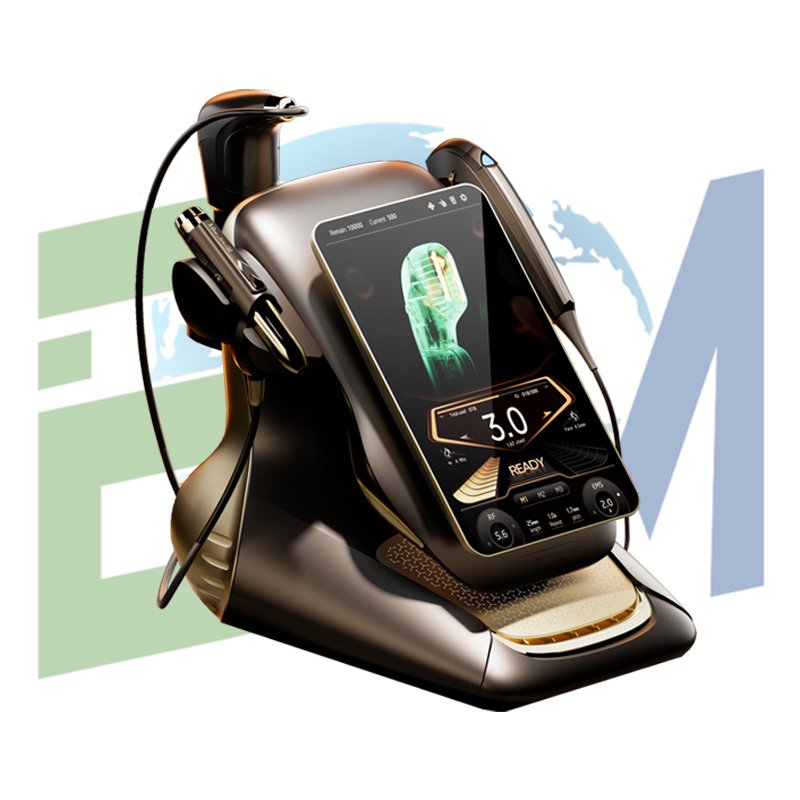
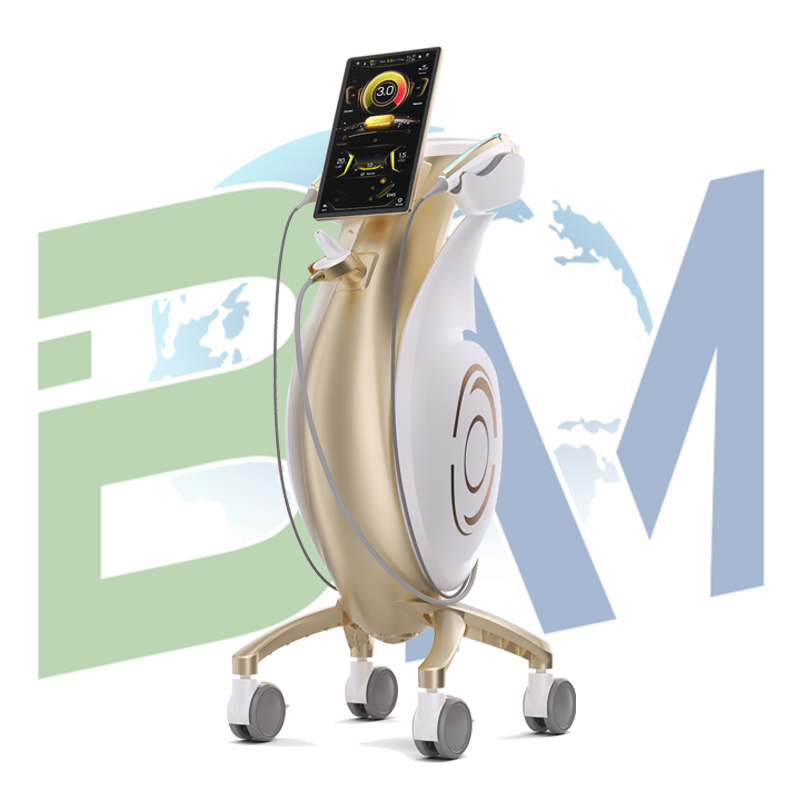
For example, a system such as a 22D Max HIFU machine may be configured to support multiple treatment requirements within one platform. However, the actual specifications should always be reviewed before making a purchasing decision.
4D vs 7D vs 12D vs 22D HIFU: Which One Should You Choose?
Rather than ranking these systems simply from “basic” to “advanced,” consider which configuration best matches your business.
| HIFU Type | Typical Positioning | May Be Suitable For | What to Check |
|---|---|---|---|
| 4D HIFU | Core multi-dimensional HIFU platform | Businesses focused on essential HIFU applications | Treatment depths, cartridges and treatment modes |
| 7D HIFU | More versatile HIFU configuration | Clinics and salons requiring broader treatment options | Energy delivery, depths and cartridge configuration |
| 12D HIFU | Broader professional configuration | Clinics offering multiple treatment applications | Cartridge selection, treatment areas and parameters |
| 22D HIFU | More comprehensive multi-configuration platform | Clinics and distributors seeking greater versatility | Actual technical specifications, applications and support |
The key point is that 4D, 7D, 12D and 22D should not be treated as a universal performance ranking. A well-designed 4D HIFU machine may be a better choice for one clinic than a 22D system if the clinic does not need the additional configuration.
For professional buyers, the best HIFU machine is therefore the one that provides the right combination of treatment capabilities, technical specifications, reliability, operating efficiency, documentation and long-term manufacturer support.
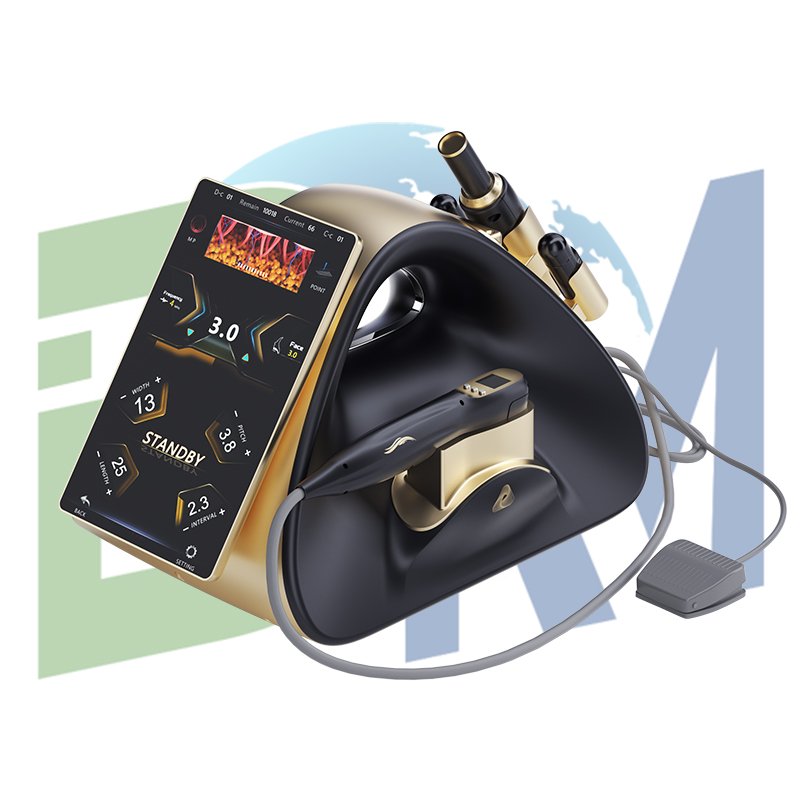
How to Choose a Professional HIFU Machine?
Choosing a professional HIFU machine requires more than comparing whether a system is labeled 4D, 7D, 12D or 22D. These terms can describe different configurations depending on the manufacturer, so professional buyers should evaluate the actual technology, treatment capabilities, operating parameters and long-term support.
The following factors can help clinics, beauty businesses and distributors choose a HIFU machine more objectively.
1. Start With Your Treatment Applications
Before comparing 4D, 7D, 12D or 22D HIFU machines, determine what treatments you actually want to provide.
For example, a clinic may focus primarily on facial lifting and skin tightening, while another business may require a wider range of facial and body applications.
Your intended applications will determine the treatment depths, cartridges and machine configuration you need.
Do not choose a HIFU machine simply because it has a higher number in its name. Choose the configuration that matches your treatment requirements.
2. Compare 4D, 7D, 12D and 22D Based on Actual Specifications
The “D” number should be treated as a starting point for comparison rather than a technical conclusion.
When comparing different systems, ask the manufacturer to provide the actual specifications for:
- Treatment depths
- Number and type of cartridges
- Treatment areas
- Energy output or energy settings
- Treatment modes
- Shot or line configuration
- Handpiece options
- Intended applications
For example, a 12D HIFU machine from one manufacturer may have a very different configuration from another manufacturer’s 12D system.
The same applies to 4D, 7D and 22D machines.
3. Check the Available Treatment Depths
Treatment depth is one of the most important specifications when selecting professional HIFU equipment.
Different treatment areas may require different depths. Therefore, do not simply compare the total number of cartridges. Check exactly which depths are available and what each cartridge is designed for.
Consider:
- Available treatment depths
- Number of cartridges
- Cartridge specifications
- Facial versus body applications
- Replacement cartridge availability
- Expected cartridge lifespan
A machine with many cartridges is not necessarily better if those cartridges do not match the treatments your business provides.
4. Evaluate Energy Delivery and Treatment Control
Professional HIFU equipment should provide clearly defined treatment parameters and appropriate operator controls.
Ask the manufacturer:
- How is ultrasound energy generated and delivered?
- What energy parameters can be adjusted?
- How is treatment depth selected?
- How is energy delivery controlled?
- Are the technical specifications supported by documentation or test reports?
- What operating parameters are recommended for different applications?
This is more meaningful than relying on marketing descriptions such as “latest HIFU technology” or “most advanced HIFU machine.”
5. Consider the Difference Between Versatility and Complexity
A more comprehensive HIFU machine may offer more treatment options, but additional features can also increase the complexity of operation.
For example:
- A 4D HIFU system may be sufficient for a business focused on core HIFU applications.
- A 7D HIFU system may be appropriate when additional treatment flexibility is required.
- A 12D HIFU system may be suitable for clinics looking for a broader configuration.
- A 22D HIFU system may be attractive to businesses that want a more comprehensive platform.
The goal is not to purchase the machine with the largest number. The goal is to purchase the machine with the right level of functionality for your business.
6. Evaluate Cartridge Quality and Replacement Costs
Cartridges are an important part of the long-term operating cost of HIFU equipment.
Before purchasing, ask:
- How long are the cartridges expected to last?
- Are cartridges reusable or consumable?
- What is the replacement cost?
- Are replacement cartridges readily available?
- How does the manufacturer control cartridge quality?
- Can replacement cartridges be supplied after the warranty period?
For clinics with high treatment volumes, these costs can have a significant effect on the total cost of ownership.
7. Check Safety Features and Operator Training
Professional HIFU equipment should come with clear operating procedures, appropriate safety features and sufficient operator training.
The manufacturer should be able to provide documentation covering:
- Machine operation
- Treatment procedures
- Parameter settings
- Maintenance
- Safety instructions
- Applicable contraindications
- Operator training
A professional machine should be supported by professional operating procedures rather than relying solely on the machine’s user interface.
8. Evaluate the Manufacturer’s Long-Term Support
The manufacturer is an important part of a professional equipment purchase.
A reliable HIFU manufacturer should be able to provide:
- Technical specifications
- Product documentation
- Operator training
- Spare parts
- Replacement cartridges
- Warranty support
- Troubleshooting assistance
- After-sales service
- OEM/ODM support where required
- Stable production capacity
This is especially important for distributors who need consistent product quality and supply across multiple orders.
9. Calculate the Total Cost of Ownership
Do not compare HIFU machines based solely on their initial purchase price.
Consider:
Total Cost of Ownership = Machine Price + Cartridges + Spare Parts + Maintenance + Training + Shipping + After-Sales Costs
A lower-priced 4D or 7D machine may not necessarily be more economical than a higher-specification 12D or 22D system if the latter provides better versatility and lower operating costs for your specific business.
Likewise, paying more for a 22D machine does not automatically make it the better investment if your clinic only needs the functions of a simpler system.
10. Request a Complete Specification Sheet Before Buying
Before placing an order, ask the manufacturer for a detailed specification sheet and compare different machines using the same criteria.
At minimum, compare:
| Evaluation Factor | What to Check |
|---|---|
| HIFU configuration | 4D / 7D / 12D / 22D and what the designation means |
| Treatment depths | Available depths and corresponding applications |
| Cartridges | Quantity, types, lifespan and replacement cost |
| Energy | Energy range and adjustable parameters |
| Treatment modes | Available operating modes |
| Handpieces | Types and intended applications |
| Documentation | Manuals, technical files and test reports |
| Compliance | Requirements for your target market |
| Warranty | Warranty period and coverage |
| Support | Training, spare parts and technical assistance |
| OEM/ODM | Available customization options |
This allows you to compare the actual capabilities of different HIFU machines, rather than comparing marketing labels alone.
Bamboolaser’s Self-introduction
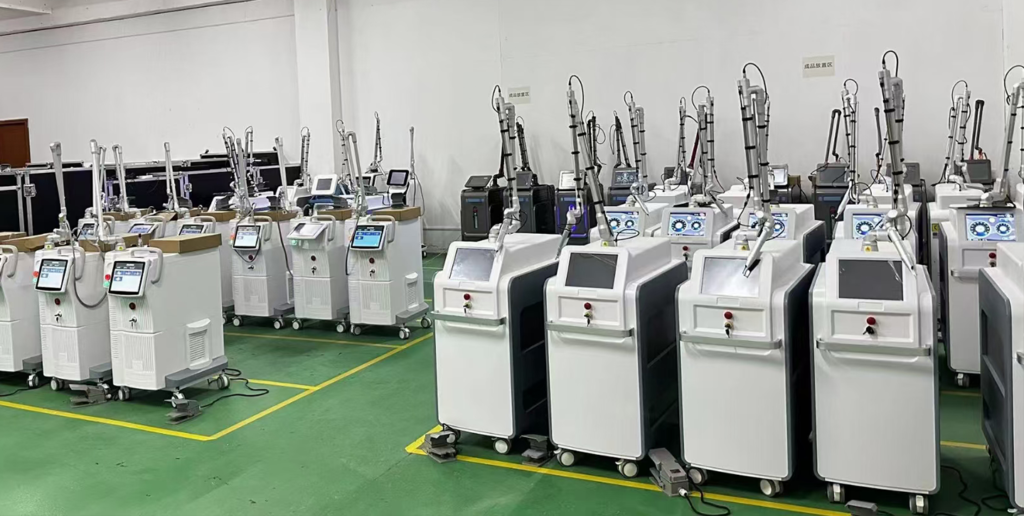
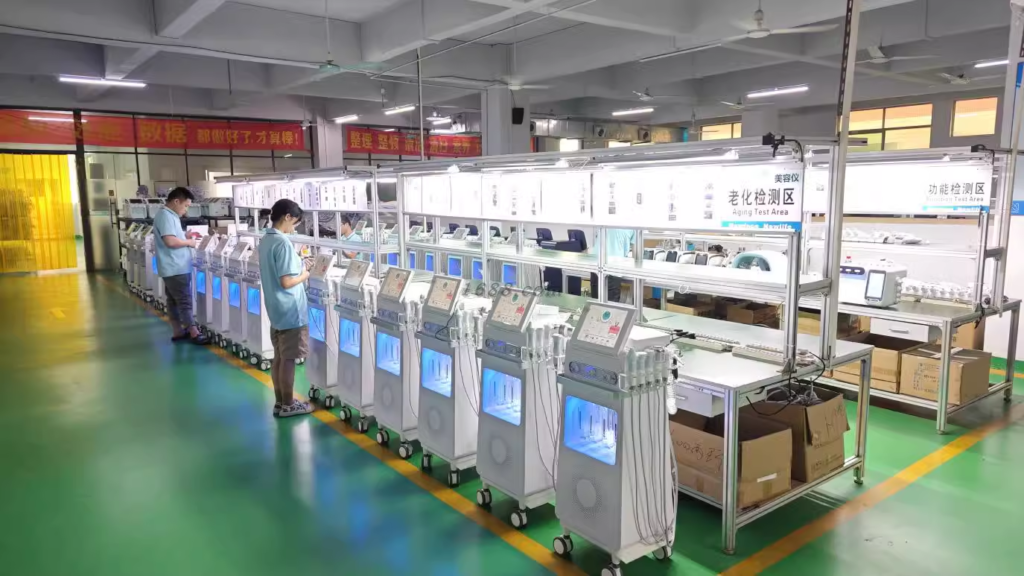
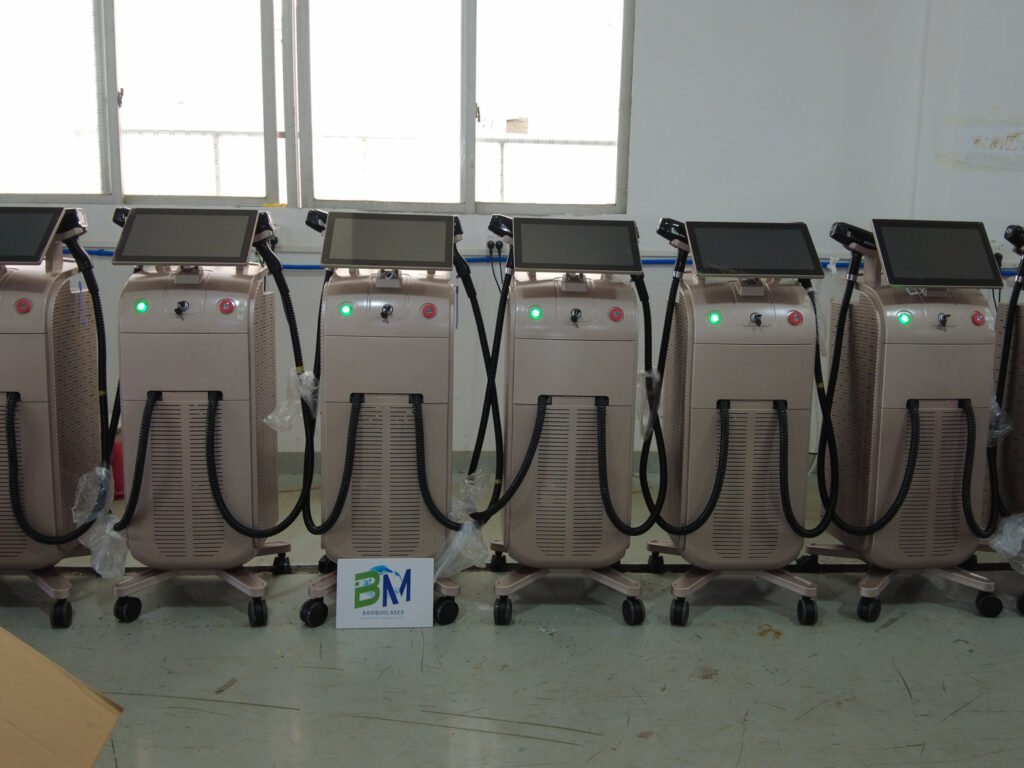
Bamboolaser is an innovative company specializing in the research and development and manufacturing of high-precision laser equipment, committed to providing stable, efficient, and intelligent laser solutions to global customers. Leveraging advanced manufacturing processes and a rigorous quality management system, Bamboolaser achieves end-to-end control from core components to complete machine assembly within its own factory, ensuring that every piece of equipment possesses superior performance and long-term reliability.
In its modern production base, automated production lines and an experienced technical team work closely together, with each process—from precision machining and complete machine assembly to performance testing—undergoing rigorous verification. Coupled with high-standard testing processes and a continuously optimized manufacturing system, Bamboolaser continuously improves product consistency and production efficiency to meet the diverse needs of industrial manufacturing, creative processing, and various industry applications.
Through continuous technological innovation and a global service network, Bamboolaser is constantly expanding the application boundaries of laser technology, creating greater value for customers and driving intelligent manufacturing to a higher level. For more information, please visit the website: bamboolaser.com.
For more details and information, please contact us.